Leave Your Message

How to Find Affordable EV Cars in 2026?

Finding Affordable Ev Cars in 2026 means looking beyond the sticker price. Compare the total cost of ownership: financing, insurance, charging, maintenance, and expected resale value. A low advertised price can still lead to expensive monthly payments. A used EV may offer better value, but battery condition and remaining warranty deserve close attention.

The International Energy Agency’s Global EV Outlook 2025 reported that electric-car sales topped 17 million worldwide in 2024, exceeding one-fifth of new-car sales. That scale matters. More models and stronger competition can widen buyers’ choices, though local prices and incentives differ. BloombergNEF’s 2024 battery-price survey also found that average lithium-ion pack prices fell 20% in 2024, to $115 per kilowatt-hour. Lower battery costs may support cheaper vehicles, but they do not guarantee lower showroom prices. Not yet.

IEA Executive Director Fatih Birol described the wider shift this way: “The era of the internal combustion engine is ending and the era of the electric vehicle is beginning.” For shoppers, the practical question is less dramatic: which car fits a real budget, commute, and charging routine? This guide will compare new and used options, explain how to assess range and battery health, and show where incentives may change the math. One caveat: advertised savings can look better on paper than they feel at the charging station. Check the details before deciding.
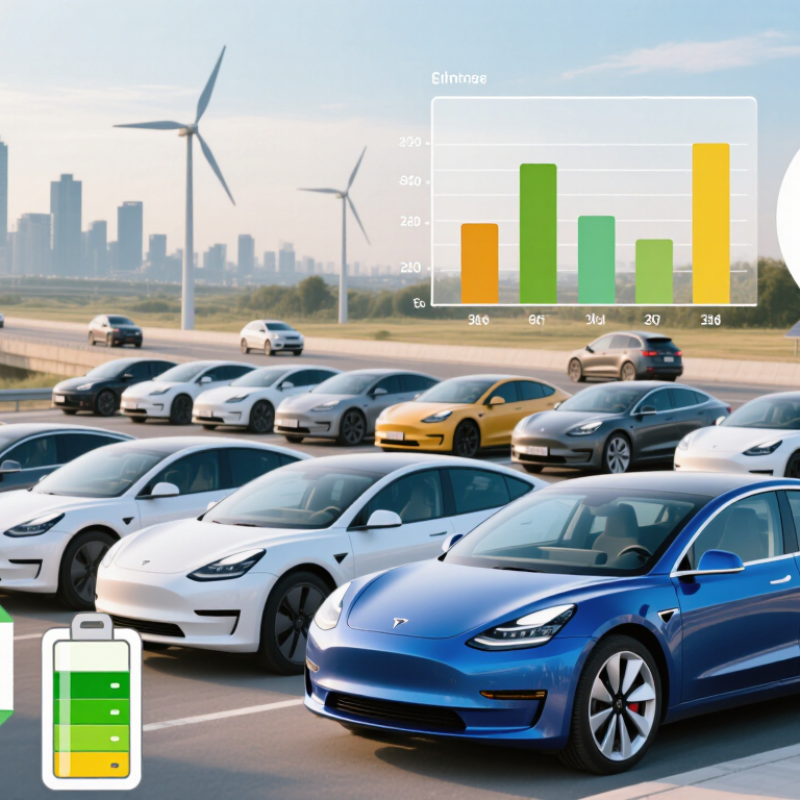
How to Find Affordable EV Cars in 2026?

Set a Budget and Identify Your Driving Needs

Set a budget around the full cost of ownership, not just the advertised price. Include insurance, home charging equipment, electricity, maintenance, and registration fees. Some costs vary by location, so check current local estimates before deciding. Keep a small reserve for unexpected repairs or installation work. It is easy to overlook those details. If a monthly payment only works when every estimate is optimistic, the car may not be affordable.

Then match the car’s range and charging needs to your actual routine. Write down your usual daily distance, weekly longer trips, and access to overnight parking. A modest range may suit a short commute with reliable home charging; frequent highway travel can require more flexibility. Check charging options near places you already visit, not just on a map. If you rent or park on the street, confirm whether charging is practical before paying a deposit. I would also test the route in poor weather if possible, since cold conditions can reduce usable range. This isn’t a perfect forecast, but it beats buying for an imagined lifestyle.
Compare Purchase Prices and Total Ownership Costs

An affordable electric car is not always the one with the lowest sticker price. Compare the purchase price with estimated costs over several years, including financing, insurance, registration, charging, tires, and maintenance. Check current rebates carefully; eligibility and availability can change by location and date. Do the math.

For charging, use your actual electricity rate and weekly driving distance, not an idealized estimate. A home charger may require installation work, while public fast charging can cost more per mile. Ask insurers for quotes before choosing a vehicle, and compare warranty coverage for the battery and charging equipment. For a used EV, request service records and an independent battery health check when available. A short test drive may not reveal much. I once underestimated insurance and installation costs, and the “cheaper” option became less convincing. Build a small buffer for unexpected repairs, then compare the total against your current car’s running costs.

Check 2026 EV Incentives and Eligibility Rules

In 2026, an electric car’s advertised price may not show the incentives you can actually claim. Rules differ by location and may change during the year. Check your government’s official incentive website before comparing offers, and note when the information was updated. Details matter.

Eligibility can depend on the vehicle’s price, whether it is new or used, your household income, and where you register it. Some programs reduce the price at purchase; others require a later tax filing. Do not assume that every electric car qualifies, or that two incentives can be combined. Read the complete terms, including any dealer paperwork and application deadlines. Keep records.

I would verify the exact model and transaction details, not just the vehicle category. A small difference in trim or purchase date could affect eligibility. That part is easy to overlook. Ask the seller for written confirmation of how an incentive is applied, then check it against the official rules. If the requirements are unclear, contact the program administrator before paying a deposit. Incentives can make a budget work, but I would not count savings until eligibility is confirmed.

U.S. Federal EV Tax Credits: 2025 vs. 2026

Maximum federal consumer credit amounts for eligible vehicles, in U.S. dollars.

Federal consumer clean vehicle credits ended for vehicles acquired after September 30, 2025, so they are not available for purchases in 2026. Earlier maximums depended on vehicle and buyer eligibility; state and local incentives may still be available and vary by location.

Compare New and Used EV Models by Range and Features

When comparing electric cars, put usable range beside price, not in a separate column. Advertised figures come from controlled tests, and results vary by test cycle, temperature, speed, and heating use. Compare figures measured under the same standard. A winter commute with the cabin heater on may feel very different from a mild-weather test drive. Range is not the whole story.

New models may offer the latest driver-assistance features, a fresh battery warranty, and fewer unknowns. Used models can cost less, but check the battery’s reported health, remaining warranty, charging history, and service records. Ask for a battery diagnostic, not just a dashboard estimate. Also inspect tires; electric cars can wear them faster than expected. A lower purchase price may not mean lower ownership costs.

Look closely at the details you will use daily: charging speed, plug type, cargo space, rear-seat room, and available route planning. If possible, test the car on a familiar trip and note how much range it uses. A comparison sheet can look precise, yet one missing winter range estimate can skew the decision. I would leave room for uncertainty. Real driving is messy. Choose the model whose range and features fit your routine, not just the one with the biggest number.

Verify Battery Health, Financing, and Dealer Fees

Affordable EV shopping in 2026 starts with the battery, not the monthly payment. Ask for a recent battery-health report and check who performed the test. Compare its usable capacity with the vehicle’s original specifications, then review service records and remaining battery-warranty coverage. A short test drive can reveal warning lights or uneven power, but it cannot confirm long-term battery condition. That matters.

Tips: Request an itemized out-the-door quote before paying a deposit. Check the interest rate, loan term, required add-ons, documentation charges, taxes, and registration costs. Compare the total amount repaid, not just the monthly figure. A longer loan can make payments look smaller while raising the final cost.

Ask the dealer to explain every fee in writing, and compare the quote with another local seller. Confirm that optional products are not included without your approval. Also check whether a lower advertised price depends on financing you do not want. It is easy to focus on the sticker price and miss several hundred dollars in extras. I would still leave room for uncertainty: battery reports and fee labels can vary, so verify details before signing.