The 2026 electric vehicle market may offer more choice, sharper discounts, and better financing than previous years. Yet the best Electric Car Deals will not look identical in every country. Buyers must compare purchase prices, battery warranties, charging access, taxes, insurance, and resale values. A low showroom price can hide expensive home-charging work or higher delivery costs.
The International Energy Agency’s Global EV Outlook 2025 reported that electric car sales exceeded 17 million worldwide in 2024. It also projected continued growth, supported by falling battery costs and expanding model availability. BloombergNEF’s 2025 Electric Vehicle Outlook similarly highlighted stronger competition among manufacturers, especially in China and other high-volume markets. These reports suggest a buyer’s market may develop, but regional incentives remain uneven. Rules can change quickly.
Fatih Birol, Executive Director of the IEA, said, “Electric cars are no longer a niche technology.” That sentence matters for deal hunters. More mainstream demand can improve service networks and model choice. It can also create crowded inventories, dealer discounts, and attractive lease offers.
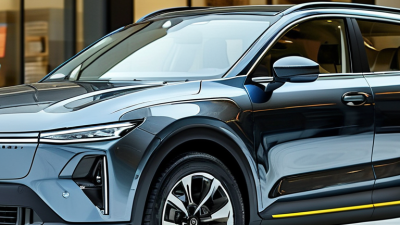
Look closely at the metal.
A useful 2026 comparison should show monthly payments, charging time, real-world range, and battery coverage beside the advertised price. I have found that headline discounts often feel impressive until destination fees and financing terms appear. That is an uncomfortable weakness in many buying guides. Market data also varies by source, country, and reporting method. Therefore, this guide treats industry reports as evidence, not promises, and encourages readers to verify every offer locally before signing.
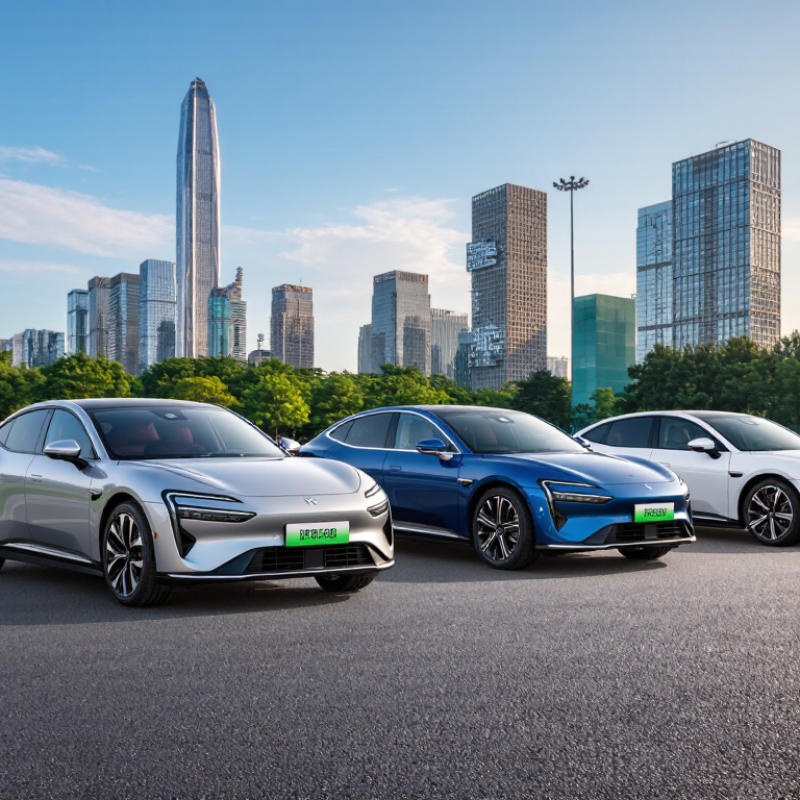
A competitive electric car deal in 2026 is more than a low sticker price. It should match daily driving, local charging access, and long-term ownership costs. Buyers need the drive-away price, not a promotional monthly payment. Ask for taxes, delivery fees, registration, financing charges, and home-charger installation in writing. Small fees can quietly change the bargain. Keep records. That habit protects decisions.
Battery coverage deserves careful attention. Check its time limit, mileage limit, capacity guarantee, and repair process. A longer warranty is not automatically stronger. Read exclusions and confirm whether coverage transfers to the next owner. Charging speed also matters. A vehicle adding 200 kilometers during a short break may suit travelers better than one with a larger battery but slower charging. Test the charging route, if possible. Public rates vary sharply across countries and networks.
A reliable comparison includes insurance, tires, service, electricity, and expected resale value. Local incentives can reduce costs, but rules change and eligibility may depend on income, residence, or registration date. Verify them through official government sources before signing. Independent inspection data and transparent battery-health reports add useful evidence. I would still question unusually generous discounts. They may reflect aging inventory, limited equipment, or expensive finance terms. Some estimates remain uncertain, especially resale values. That uncertainty deserves a clear budget margin, not optimistic arithmetic.

Comparing electric cars across global markets requires more than checking the advertised price. A lower purchase cost may hide higher delivery fees, local taxes, insurance, or registration charges. Ask for the complete on-road figure in writing. Range is not magic. Measure it against your daily route, weather, and traffic.
Charging access often matters more than maximum range. Check whether the car supports your country’s common plug standard and charging network. A home charger may need electrical upgrades, especially in older apartments. Public charging prices can also vary sharply between cities. In colder regions, heating can reduce driving distance, while extreme heat may increase battery cooling needs.
Battery warranty terms deserve careful reading. Compare coverage length, mileage limits, and the stated capacity threshold. Independent safety ratings and repair access provide stronger evidence than promotional claims. Look for trained technicians near your home, not only in the capital city. Replacement parts may take weeks in smaller markets.
Local incentives can change after an election or budget review, so confirm them with an official government source. Resale value is harder to predict in fast-moving electric markets. Newer software, faster charging, or cheaper batteries may make an older vehicle feel outdated. I would also test the car with luggage and passengers, because showroom efficiency rarely matches real roads. My own comparison method is still imperfect; driving habits, electricity prices, and climate can distort every spreadsheet.
Electric car bargains differ sharply by region, vehicle type, and charging access. In North America, compact hatchbacks may offer lower monthly payments and useful city range. Larger sport utility vehicles often qualify for stronger incentives, but insurance and tire costs can reduce savings. Check eligibility through official government portals, not only dealership advertisements. Read the fine print.
European buyers may find attractive lease rates on small electric cars and efficient family wagons. Registration fees, road taxes, and home-charger installation can change the final price. In Asia-Pacific markets, compact city cars often suit dense streets and shorter commutes. Buyers should compare battery warranties, service coverage, and local charging reliability. Conditions differ.
In the Middle East and Africa, cooling performance and dust protection deserve close attention. A vehicle with impressive laboratory range may travel less under extreme heat. Pickup buyers should inspect payload limits and towing effects on battery use. Used electric cars can offer strong value, especially with an independent battery-health report. I once focused too heavily on the advertised discount and missed financing fees. That mistake still matters. Compare the cash price, loan cost, warranty length, charging equipment, and resale outlook in one table. A short test drive should include slow traffic, highway speed, cabin cooling, and regenerative braking. Some deals look excellent until the charger arrives.
2026 Best Electric Car Deals for Global Buyers?
How Incentives, Financing, and Ownership Costs Affect Value
A low purchase price does not always create the best electric car deal. Government incentives may reduce taxes, registration fees, or the final invoice. However, eligibility can depend on income, vehicle price, battery sourcing, and local residency. Rules also change during the year. Check an official government website before counting any incentive as guaranteed.
Financing can quietly reshape the deal. Compare the annual percentage rate, deposit, loan length, and total repayment amount. A longer loan may lower monthly payments but increase interest substantially. Currency changes can also affect imported vehicles and replacement parts. Read the contract carefully. The smallest monthly payment is not always the lowest cost.
Ownership expenses deserve a realistic test. Estimate home electricity, public charging, insurance, scheduled servicing, tires, and battery warranty limits. A buyer who drives 1,500 kilometers monthly may spend more on rapid charging than expected. Before purchasing, test a typical route and request a home-charger installation quote. That changes everything. Resale value remains uncertain in this fast-moving market, especially when newer batteries arrive. My estimate could still be wrong. Keep an emergency allowance for repairs, software support, and changing energy prices.
Estimated five-year ownership cost after typical purchase incentives, financing, energy, maintenance, insurance, taxes, and registration. Values are rounded market benchmarks in USD and vary by vehicle, mileage, credit profile, and local policy.
Lower ownership costs are generally associated with stronger purchase incentives, lower electricity prices, reduced financing costs, and moderate insurance or registration charges. The estimates assume approximately 15,000 km of annual driving over five years.
Choosing the right electric car deal requires more than comparing advertised prices. Step 1 is defining your daily needs. Record your usual distance, passenger space, climate, and charging access. A small city model may suit short commutes, while longer trips require stronger range planning.
Step 2 is checking the vehicle’s real condition. Request service records, battery-health information, warranty terms, and charging equipment details. Confirm whether the charging connector works with your local network.
Step 3 is calculating the complete cost. Include delivery, registration, insurance, home-charger installation, maintenance, and possible currency changes. A cheap listing can become expensive after arrival. Check local import and ownership rules carefully.
Do not rely on a seller’s range estimate alone. Independent inspection is safer. A test drive matters too. Listen for unusual sounds, test braking, and watch the energy display on hills. I would not pretend every attractive deal is suitable. Some choices look efficient online but feel impractical after one week.
Tips:
Compare at least three written offers. Ask for every fee before paying. Photograph the battery label and charging port. Keep copies of all documents. Leave room for winter range loss. If the seller avoids clear answers, pause. That hesitation may save money.