How to Choose the Best 7 Seater Electric Car for Your Needs?
Choosing the best 7 Seater Electric Car is essential for families and those needing space. According to recent reports from the International Council on Clean Transportation, sales of electric vehicles are forecasted to rise significantly over the next decade. The demand for spacious electric cars is increasing, particularly for those with seven seats.
Expert insights highlight the importance of this market. Emma Jensen, a leading automotive analyst, states, "The 7 Seater Electric Car segment is pivotal for sustainable family mobility." Her words emphasize the shift towards eco-friendly alternatives that cater to larger groups.
When selecting the right model, consider range, charging infrastructure, and safety features. Detailed comparisons and reviews can be overwhelming. Potential buyers may find themselves considering subjective preferences. The right balance of price and performance is vital. Thus, it is crucial to reflect on individual needs while navigating the expanding options available in the 7 Seater Electric Car market.
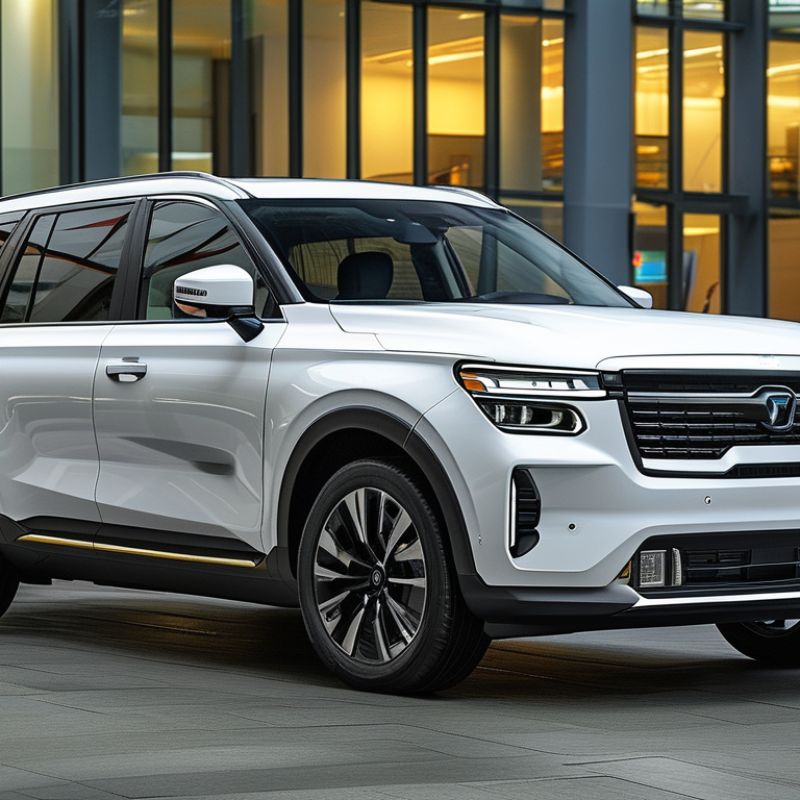
Understanding Your Space and Passenger Requirements
When choosing a seven-seater electric car, understanding your space and passenger requirements is crucial. Consider how often you'll transport more than five people. If you have a large family or frequently carpool, ample legroom is essential. Look for models that offer flexible seating arrangements. Some allow you to fold down seats for extra cargo space; others do not. This variability can change how you use the vehicle daily.
Also, think about comfort. Not all seats provide the same level of support. Test driving several options can reveal surprising differences. You may find that certain configurations, though technically adequate, feel cramped on longer journeys. Visibility is another factor; ensure that all passengers enjoy a clear view outside. You should also evaluate the ease of access to the third row. If it’s difficult to get into the back seats, your ideal car could become frustrating over time.
Lastly, analyze your lifestyle. If you often travel with equipment like sports gear or luggage, a car with versatile cargo space will be vital. Reflect on your long-term needs versus short-term desires. A larger vehicle may be tempting now but consider if it’s practical for your daily routine. Balancing these factors will drive you closer to the perfect electric car for your needs.
Evaluating Electric Vehicle Range and Battery Capacity
When selecting a seven-seater electric car, assessing electric vehicle range and battery capacity is crucial. The range indicates how far you can travel on a single charge. Many families require a car that can comfortably cover daily commutes and weekend getaways without frequent charging stops. A car with a range of at least 250 miles can offer peace of mind for longer trips.
Battery capacity plays a vital role in determining range. Measured in kilowatt-hours (kWh), higher capacity batteries provide more energy and longer distances. However, larger batteries can also increase the car’s weight, affecting efficiency. It’s a balancing act that requires careful consideration of your daily needs.
Keep in mind that real-world conditions can affect range. Driving habits, terrain, and weather also play significant roles. Efficient driving can extend battery life, while aggressive acceleration can drain it faster. Ensure you’re aware of factors that might reduce range. Ultimately, it’s wise to test drive several models and evaluate their performance in real-world settings.
How to Choose the Best 7 Seater Electric Car for Your Needs?
| Model |
Range (Miles) |
Battery Capacity (kWh) |
Charging Time (Hours) |
Price (Estimated) |
| Electric Model A |
300 |
80 |
8 |
$60,000 |
| Electric Model B |
250 |
70 |
6 |
$50,000 |
| Electric Model C |
320 |
90 |
7 |
$65,000 |
| Electric Model D |
280 |
75 |
9 |
$55,000 |
| Electric Model E |
350 |
95 |
5 |
$70,000 |
Comparing Features and Technologies of 7 Seater Electric Cars
When considering a 7 seater electric car, features and technology play a crucial role. Focus on range, battery life, and charging speeds. These elements impact daily usability. Many families require reliable performance for long trips. A robust battery ensures uninterrupted journeys, while fast charging options reduce downtime. Convenience is key.
Safety features should also be prioritized. Advanced driver-assistance systems can enhance peace of mind. Look for cars with automatic emergency braking and lane-keeping assist. However, customers must be cautious. Not every model offers the same level of safety. Research independent reviews to gauge effectiveness.
Interior space and comfort matter too. A well-designed cabin can transform long rides. Features like adjustable seating and ample cargo space are beneficial. Compare available tech integrations. Infotainment systems enhance the driving experience, but not all are user-friendly. Be mindful of the learning curve associated with new interfaces. A thorough comparison can reveal both strengths and weaknesses in each option.
Assessing Budget and Financial Incentives for Electric Vehicles
When considering a 7-seater electric car, budget is crucial. Electric vehicles (EVs) can be more expensive upfront compared to traditional cars. However, lower operating costs often balance this. You need to evaluate your financial situation. Start by determining what you can afford for a down payment and monthly payments. Use budget calculators to see how much you can really spare after regular expenses.
Financial incentives play a significant role in making EVs more accessible. Governments often offer tax credits or rebates for purchasing electric vehicles. Research available incentives in your area. Some regions provide additional benefits, like discounts on registration or access to carpool lanes. Explore financing options with favorable interest rates.
Keep in mind that not every incentive is straightforward. You might find complexities in eligibility. Some offers have limits based on income or vehicle model. Understand the fine print before proceeding. It’s wise to consult reliable sources or financial advisors when navigating these options. The goal is to make an informed decision that fits your lifestyle and financial health.
Researching Safety Ratings and Reviews for Your Chosen Models
When selecting a 7-seater electric car, safety ratings should be a top priority. Various organizations evaluate vehicles for safety. Look for crash-test results. These tests provide essential insights into how well a car protects its occupants. Ratings from respected agencies reflect vehicle reliability and safety features. Check these ratings over time. A model may start strong but change due to recalls or safety concerns.
Reviews add another layer of understanding. They can reveal real-world experiences. Look for comments on space, comfort, and child safety features. User insights often highlight issues not covered in tests. Consider feedback on performance in routine driving scenarios. These reviews can help identify strengths and weaknesses. For instance, one model may excel in handling, while another shines in battery range.
Researching should include diverse sources. Different drivers have different needs. Women may prioritize safety features, while families look at space efficiency. Look for a car that fits your unique requirements. There's no one-size-fits-all solution. As you dive into safety ratings and reviews, you may find unexpected trade-offs. Balancing safety with comfort is key. Stay informed and approach your decision thoughtfully.