Most Affordable Electric Car Options for Global Buyers?
As the demand for sustainable transportation rises, the search for the "Most Affordable Electric Car" has become crucial for global buyers. Industry expert Dr. Emily R. Chalmers states, "Affordability is key to achieving widespread electric vehicle adoption." According to the International Energy Agency (IEA), electric vehicle sales surged by 40% in 2021, showcasing a growing trend. However, not everyone can participate in this electric wave.
Many consumers face financial barriers. The average price of electric cars remains higher than traditional vehicles, complicating access for budget-conscious buyers. Research highlights that many popular models exceed entry-level price points, leaving a gap in options. Moreover, a recent Deloitte report suggests that cost perception is a significant hurdle for potential buyers.
This situation calls for a closer look at emerging affordable electric options. Some innovative manufacturers are stepping up. Despite advances, the path to affordability needs more focus. When discussing the "Most Affordable Electric Car," the challenge is to ensure that sustainability aligns with accessibility for all. Addressing this issue will impact how quickly the automotive landscape transforms.
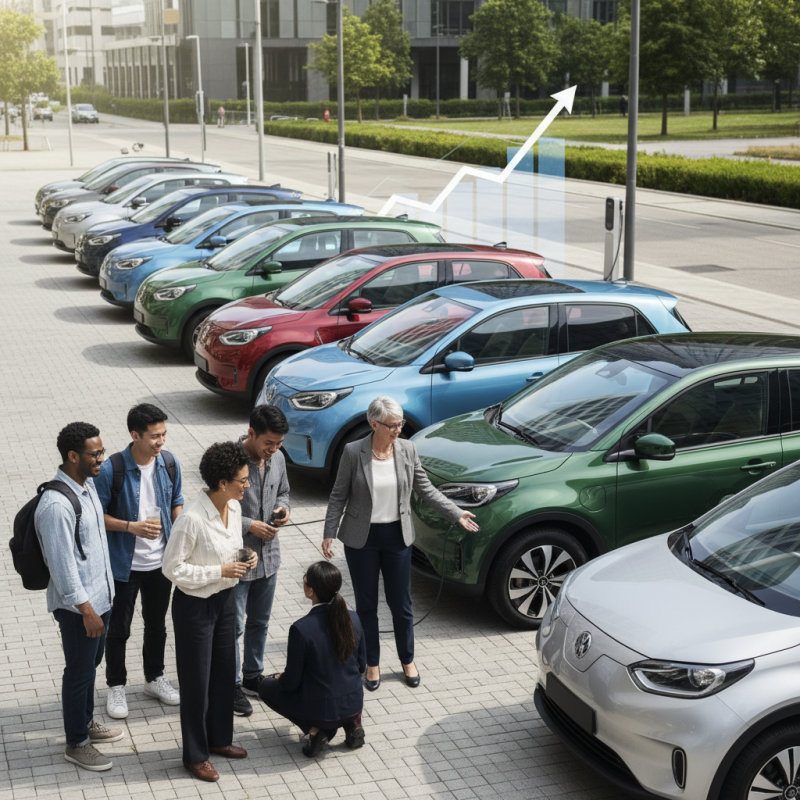
Understanding the Global Electric Vehicle Market Landscape
The global electric vehicle (EV) market is undergoing rapid transformation, with affordability becoming a key focus. According to the International Energy Agency, electric car sales reached over 6.6 million units in 2021, indicating a significant shift in consumer preferences. This trend is driven by rising fuel prices and increasing environmental awareness. Countries are investing heavily in EV infrastructure to support this new wave.
However, not all regions are equal in access to affordable options. In emerging markets, affordable electric models remain limited, which restricts consumer choices. Data suggests that nearly 70% of the global EV market is dominated by just a few key players, leading to concerns over competition and innovation. It's critical for prospective buyers to explore local options thoroughly.
Tip: Research government incentives in your region. Many countries offer rebates or tax credits for electric vehicle purchases, which can significantly reduce costs.
Another important aspect is battery technology. Current estimates show that batteries account for around 30% of an electric vehicle's total cost. Advancements in technology are necessary to lower prices further. Consumers should remain vigilant about battery performance and longevity when considering their options.
Tip: Consider second-hand electric vehicles. They can provide significant savings while still offering modern features and benefits.
Key Factors Affecting Electric Car Affordability
The affordability of electric cars is influenced by several key factors worth considering. First, manufacturing costs play a significant role. Battery production is a primary expense. As technology improves, these costs may decrease. This change can potentially make electric vehicles more accessible to a broader audience.
Government incentives also affect prices. Various countries offer tax credits or rebates for electric vehicle purchases. These financial incentives encourage buyers to switch from traditional vehicles. However, the availability and extent of these incentives can vary greatly by region. This inconsistency presents challenges for potential buyers.
In addition, infrastructure plays a crucial part in overall affordability. The availability of charging stations impacts how accessible electric cars are. In areas where charging is scarce, range anxiety can deter buyers. Therefore, a well-developed charging network is essential for promoting electric vehicle adoption. Balancing these elements is vital for consumers and manufacturers alike.
Top Affordable Electric Car Models Around the World
Electric vehicles (EVs) are becoming more accessible globally. Many manufacturers are focusing on affordability. Different regions are seeing various models that cater to budget-conscious consumers. Key features, such as range and charging speed, are important.
One popular option is a compact model designed for city driving. It boasts a low price point, making it attractive for first-time EV buyers. Its range of around 150 miles covers daily commutes easily. Charging can be done at home or at public stations, adding flexibility.
In some markets, budget-friendly SUVs are gaining popularity. They offer more space and comfort compared to smaller models. However, their prices can sometimes overshadow affordability. While they might appeal to families, the trade-off often comes in range and efficiency. Another consideration is that cheaper models may have fewer advanced features. Buyers should weigh the importance of tech against overall cost.
Most Affordable Electric Car Options for Global Buyers
Future Trends in Affordable Electric Vehicle Development
The landscape of affordable electric vehicles is continuously evolving. Emerging trends show a strong push towards innovation and sustainability. Cost-effective solutions are becoming more accessible to a broader audience. Many manufacturers are focusing on improving battery technology to reduce overall vehicle costs. This trend is essential for making electric cars viable for the majority.
In addition to better batteries, lightweight materials are gaining importance. Reducing vehicle weight can increase efficiency and lower production costs. However, challenges remain, particularly in sourcing sustainable materials. This ongoing issue urges stakeholders to evaluate their choices carefully. There’s a noticeable gap in infrastructure, especially in developing markets. Charging stations remain sparse, which can deter potential buyers.
Consumer awareness is another crucial aspect. As more individuals recognize the benefits of electric vehicles, demand rises. Yet, misconceptions about range and charging time persist. Addressing these concerns can significantly influence market growth. Future developments should focus on education as much as innovation. Staying informed can empower consumers to make better choices in this evolving market.