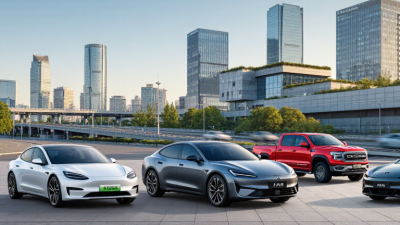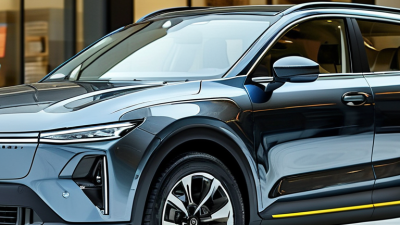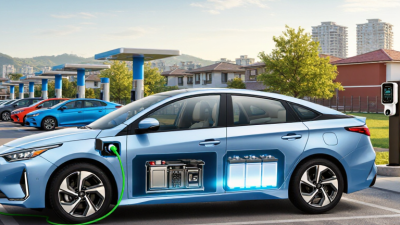
Choosing Affordable EV Cars from China is not simply a matter of finding the lowest sticker price. The real test is whether a car fits daily life after delivery. Can it handle a crowded commute, a tight parking space, and a weekend trip without constant charging anxiety? Are repairs, software support, and replacement parts accessible where you live? Those details can matter as much as the showroom price.
Elon Musk, a longtime electric-vehicle executive, has framed the affordability challenge this way: “The thing that really matters for a sustainable energy future is making electric cars affordable to everyone.” That idea matters here. Models such as the BYD Seagull and Wuling Bingo show how Chinese automakers are bringing compact electric cars to more buyers, though availability and specifications vary by market. A low price alone proves little. Battery range, safety equipment, warranty terms, charging speed, and local service deserve a close look.
This guide compares the practical trade-offs behind popular options, rather than treating one model as the universal winner. A short city commute rewards different features from regular highway driving. Even a neat range figure can feel less convincing in cold weather or with a full cabin. And yes, price still pulls attention first; it is easy to overvalue it. The aim is to help readers weigh real costs, useful features, and ownership questions before deciding which Chinese EV deserves a closer look.
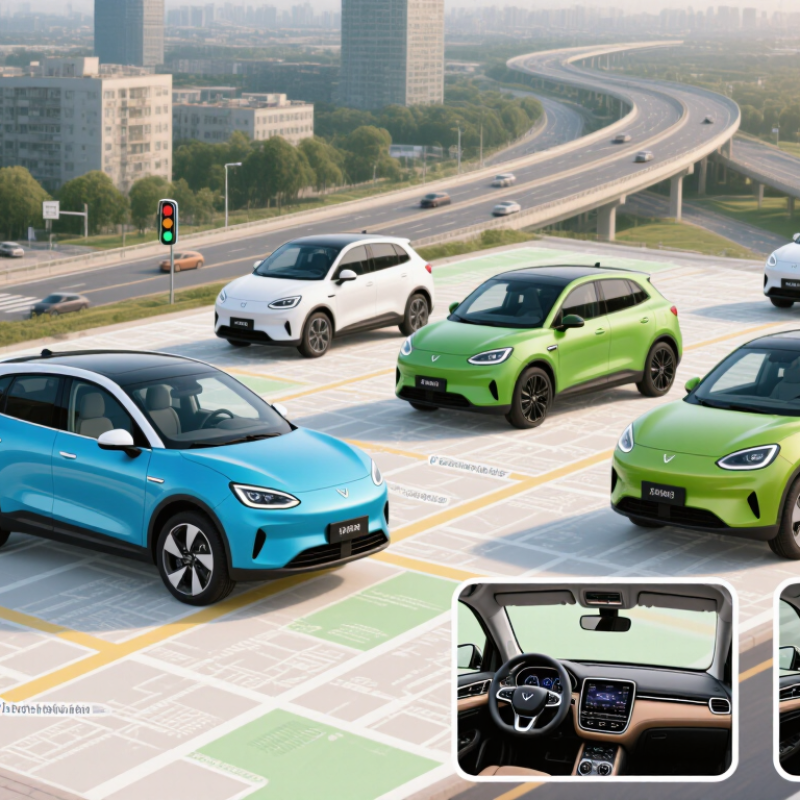
The IEA reported that average electric-car prices in China fell about 10% in 2023. That is a meaningful shift, but it does not mean every new EV became 10% cheaper. An average can hide big differences in size, battery capacity, and equipment. A compact city car and a roomy family vehicle do not serve the same budget or daily routine.
Affordable means more than the price on a window sticker. A buyer should also consider loan payments, insurance, home charging, and the cost of public charging. Picture a short commute with overnight charging at home: a smaller battery may be enough. Long highway trips change that calculation. The IEA figure offers useful context, not a personal price quote. That distinction matters. Prices can vary by model and market, and savings on energy may take time to offset a higher purchase cost. I would compare the full monthly expense before calling any EV affordable. It is easy to focus on the headline drop and miss the details.
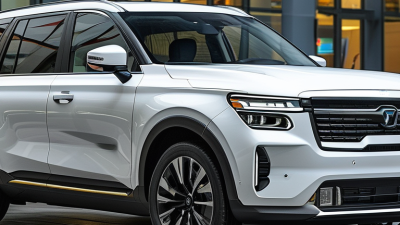
The IEA estimates that China accounted for nearly 60% of global electric car sales in 2023. That share matters because large, steady demand can support production at scale. More factory output may reduce costs for batteries, components, and assembly. The effect is visible in the growing range of compact electric cars built for everyday travel, not just premium buyers.
Scale is only part of the story. China has developed dense supply networks, from battery materials to vehicle electronics, helping manufacturers control costs and respond quickly to changing demand. For shoppers, affordability should still mean more than a low sticker price. Check the real-world driving range, charging speed, warranty terms, and availability of service. A cheap car can become expensive if repairs are difficult.
Details matter. A short commute, a home charger, and mild weather can make a modest-range car practical. Long winter drives tell a different story. I may be giving price too much weight here; reliability and resale value also shape ownership costs. And sales figures cannot prove that every affordable electric car is equally safe, durable, or suitable for every driver. The IEA figure describes market scale, not a quality ranking.
A compact city EV rated at 215 km on the CLTC cycle suits short, predictable trips. Think office commutes, grocery runs, and narrow parking spaces. Its smaller range can work well when home or workplace charging is convenient. Without reliable charging, the margin may feel tight. That matters on rainy days, with air conditioning running, or when traffic turns a short drive into a long crawl.
A city EV rated at 405 km CLTC offers more room for detours and occasional trips beyond town. It may mean fewer charging stops, though the published figure is not a promise of everyday distance. Cold weather, highway speeds, and cabin heating can reduce range; check independent road tests and the battery warranty before buying. Charging speed matters, too. A larger range is less useful if a quick top-up takes much of a lunch break. Compare the total price, cabin space, safety equipment, and nearby chargers—not just the headline number. I would be cautious about choosing from range alone; real driving needs are easy to underestimate.
A Chinese compact hatchback is listed at 520 km under CLTC, while its rival claims 520 km under WLTP. The figures look equal, but the test cycles differ. CLTC uses a Chinese laboratory procedure; WLTP is a separate standardized test used in Europe. The European Commission describes WLTP as a controlled comparison method, not a promise of everyday distance. That matters. A matching number does not mean matching range.
On a cold morning, cabin heating can cut into the distance available; sustained motorway speed can do the same. Wheel size, temperature, and driving style also shape results. Before choosing, compare usable battery capacity, charging performance, warranty terms, and independent road tests—not just the headline range. The International Energy Agency’s Global EV Outlook 2024 reports nearly 14 million electric-car sales worldwide in 2023, but market growth cannot validate a particular model’s range claim. I would not call this a clean win. The comparison is imperfect, and that is worth admitting. Ask for test conditions and real-world results before treating either 520 km figure as your commute’s likely reach.
Claimed driving range figures for two compact electric vehicles, shown with their respective test cycles.
Note: Both figures are 520 km, but one is rated under CLTC and the other under WLTP. Because test procedures differ, the figures are not directly comparable and may not reflect the same real-world driving range.
An affordable electric car should be judged by evidence, not its sticker price alone. Check independent crash-test results for the exact model year and market; ratings may differ between versions. Look closely at standard equipment, too. Automatic emergency braking can be included on one trim and optional on another. Safety matters every day.
Charging figures need context. A claimed peak rate is not the same as a typical charging session. Compare published charging curves, the time needed to go from 10 to 80 percent, and whether battery preconditioning is available. Cold weather, a busy charger, or a warm battery can change results. Small details, big difference. If possible, test a familiar route and note energy use, not just the dashboard’s best-case estimate.
Read warranty terms for battery coverage, capacity limits, mileage, and exclusions. Then estimate ownership costs: home charging, public charging, insurance, tires, scheduled service, and likely resale value. A neat spreadsheet can still miss local repair delays or a costly replacement tire. I would leave room for uncertainty; real-world costs rarely behave perfectly. Check the details.