Battery Car choices in 2026 are becoming more varied, practical, and difficult to compare. Buyers can now choose from compact city cars, family hatchbacks, electric sedans, SUVs, pickups, and premium performance models. Each type serves a different daily routine.
This guide examines the top Battery Car types through range, charging speed, cabin space, safety equipment, efficiency, and ownership cost. It also considers battery chemistry, thermal management, regenerative braking, and real-world driving conditions. Official range figures matter, but cold weather, highway speeds, heavy loads, and frequent fast charging can change the experience.
Numbers can mislead.
A small electric hatchback may deliver excellent urban efficiency and easier parking. A larger SUV may offer stronger practicality, but its heavier body usually consumes more energy. Electric pickups provide useful cargo capacity, although towing can reduce range sharply. Premium models often charge faster and feel more refined, yet their higher prices may not suit every household.
Reliable evaluation requires more than reading a specification sheet. Independent safety assessments, warranty terms, service coverage, battery durability data, and owner feedback deserve equal attention. Manufacturer claims should be checked against credible testing whenever possible. Some 2026 models may still have limited long-term reliability evidence, so confident predictions remain premature.
Our categories are not perfect.
The best Battery Car depends on driving distance, charging access, climate, budget, passenger needs, and personal priorities. By comparing these factors carefully, readers can identify the vehicle type that fits real life, rather than simply choosing the model with the longest advertised range.
Battery car types describe how electricity moves the vehicle and how much the battery controls driving. A battery electric vehicle uses only a rechargeable battery and electric motor. It produces no exhaust from the vehicle while driving. A hybrid electric vehicle combines a smaller battery with an internal-combustion engine. It usually charges through braking and engine operation, not a wall plug. A plug-in hybrid has a larger battery and can travel short daily distances using electricity alone. Mild hybrids support the engine but rarely drive independently on battery power.
Tips: Check your daily distance, charging access, weather, and parking situation. A home charger can make a large battery practical. Without one, public charging time may become frustrating. Compare usable battery capacity, not only the advertised size. Cold mornings can reduce range. Heavy luggage and high speeds can reduce it further.
In 2026, battery electric vehicles suit drivers with predictable routes and reliable charging. Plug-in hybrids may fit households needing electric commuting and occasional long trips.
Standard hybrids remain useful where charging is limited or driving conditions change often. The best category is not always the most advanced one. It depends on real habits.
A short test drive may hide charging inconvenience, cabin heating demands, or awkward cable storage. Buyers should review independent efficiency tests, warranty terms, battery coverage, and charging performance before deciding. Range figures are useful, but real roads are less cooperative.
Battery electric vehicles use stored chemical energy, not petrol combustion. Their battery pack sends direct current to an inverter. The inverter controls alternating current for the electric motor. That motor turns the wheels through a simple reduction gearbox. During braking, the motor works as a generator and returns some energy to the battery. You can feel this as one-pedal driving.
The main types include small city cars, family sedans, electric SUVs, vans, and light trucks. Larger vehicles offer space but usually consume more electricity. The International Energy Agency reported over 17 million electric car sales in 2024. It also expected global sales to exceed 20 million in 2025. Battery chemistry, pack size, weather, and driving speed still shape real-world range. Cold mornings can reduce it noticeably. The numbers are not perfectly tidy.
Tips: Check usable battery capacity, not only the advertised total. A 60-kilowatt-hour pack may deliver less energy than its headline figure. Look for charging power, thermal management, and regenerative braking settings. At home, overnight charging is usually gentler and cheaper than repeated rapid charging. The U.S. Department of Energy notes that efficient driving, moderate speeds, and correct tire pressure can improve energy use. Try a short route before choosing a larger vehicle. More battery is not always better.
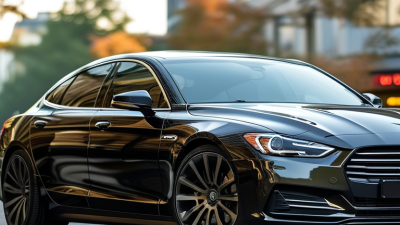
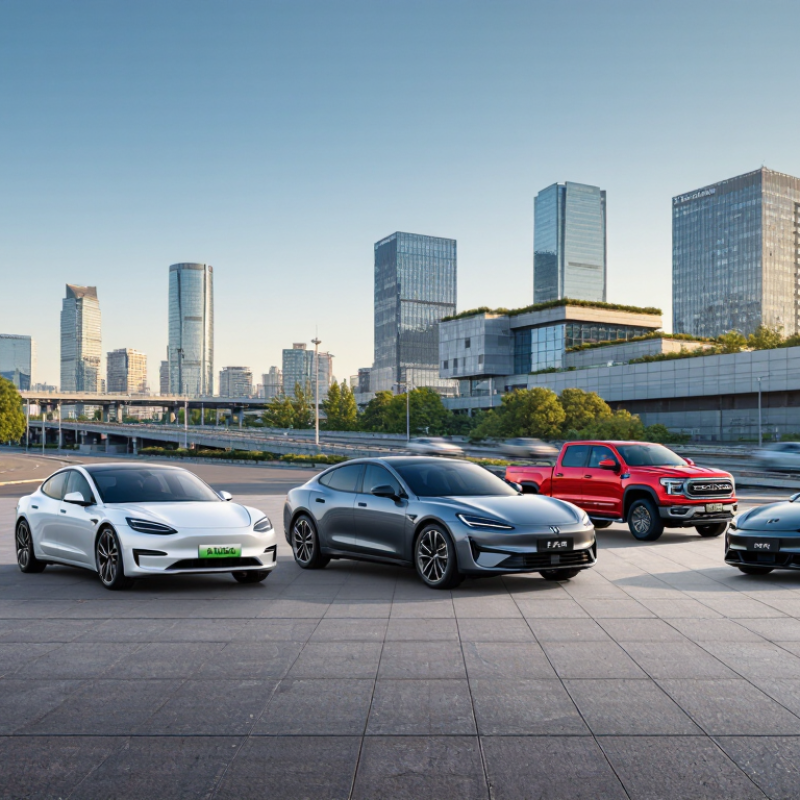
Battery passenger cars remain strong choices for urban drivers in 2026. Their lighter bodies usually support efficient energy use and predictable handling. A compact electric sedan can feel calm on crowded streets and fit easily into narrow parking spaces. Real-world range still changes with temperature, speed, passengers, and heating demand. A practical test should include morning traffic, highway driving, and repeated charging.
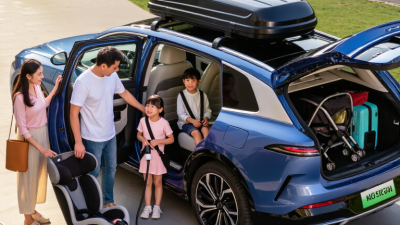
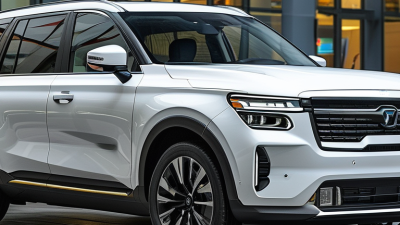
Battery SUVs offer more cabin height, storage space, and flexible seating. Families may value a wide rear opening, a low loading floor, and room for child equipment. However, a larger body can consume more electricity, especially at motorway speeds. All-wheel drive may improve traction on wet roads, but it can also increase weight and operating costs. Buyers should inspect charging speed, rear-seat comfort, visibility, and the usable cargo area rather than trusting exterior size alone.
Crossovers sit between passenger cars and SUVs. They often provide easier entry without feeling bulky. Their raised seating position helps drivers see through dense traffic, while moderate dimensions support daily efficiency. From road testing, I have found that smooth pedal control matters more than dramatic acceleration. I also once underestimated winter energy loss. That mistake changed how I judge range claims. Independent testing data, battery warranty terms, and access to dependable charging are essential details. Some screens look impressive, but simple controls may be safer and easier while driving.
In 2026, battery-powered commercial vehicles are moving beyond pilot programs. Electric vans lead many urban delivery fleets. They suit predictable routes, frequent stops, and overnight depot charging. A loaded van may use more energy on steep roads. Cold weather can also reduce practical range. That detail matters.
Battery trucks serve construction, distribution, and regional freight. Medium-duty models often balance payload with manageable charging needs. Heavy trucks need larger batteries and stronger thermal systems. Regenerative braking can recover energy on downhill routes. Depot design matters. Chargers must match departure schedules, grid capacity, and daily mileage. The hard lesson is simple: payload, range, and charging time compete. Some forecasts still sound too confident.
Electric buses work well on fixed city routes. They can charge overnight or during scheduled layovers. Drivers notice quieter cabins and smoother acceleration. Transit teams should measure energy use across seasons, passenger loads, and heating demand. Reliable planning uses real route data, not brochure estimates. Accessibility equipment and luggage also affect consumption. One weakness remains: battery replacement costs are difficult to predict. That uncertainty deserves honest reporting.
Battery cars now divide into three practical groups: battery-electric vehicles, plug-in hybrids, and extended-range electric vehicles. The International Energy Agency reported over 17 million electric car sales worldwide in 2024. Battery-electric models led the market, especially in cities with reliable public charging. Their driving range commonly falls between 300 and 500 kilometres, depending on battery size, temperature, speed, and wheel design. A claimed range is not a promise.
Charging speed separates these types sharply. A battery-electric car may recover 200 kilometres during a short fast-charge stop, where suitable infrastructure exists. Home charging remains slower but cheaper and easier for overnight use. IEA data shows global public charging points exceeded five million in 2024, yet access remains uneven. Rural routes can still feel stressful. That gap matters more than impressive laboratory figures.
Plug-in hybrids suit drivers who make frequent long trips but can charge at home. Their electric range is usually much shorter, often around 50 to 100 kilometres, while combustion power reduces charging anxiety. Extended-range electric vehicles use electric drive for daily travel and a fuel-powered generator for longer journeys. They may offer smoother urban driving, but their mechanical complexity deserves careful inspection.
For a 35-kilometre commute, a smaller battery can be sensible.
For weekly motorway travel, it may become frustrating.
The best choice depends on charging access, climate, trip length, and tolerance for compromise.