For global buyers, Self Charging Hybrid Cars offer a practical bridge between petrol driving and full electrification. They do not need a wall charger. Instead, the battery receives energy through regenerative braking and the petrol engine. Picture a vehicle slowing on a crowded city street, quietly recovering energy instead of wasting it as heat.
Automotive analyst Sam Abuelsamid has expressed the central reality clearly: “There is no such thing as a self-charging hybrid.” His warning deserves attention. These vehicles recharge themselves while driving, but they still depend on fuel. The phrase can sound more powerful than the technology actually is. That does not make hybrids ineffective. It simply sets a more honest expectation.
This guide examines Self Charging Hybrid Cars for buyers across different climates, roads, and driving habits. It considers fuel economy, cabin comfort, battery warranties, safety equipment, maintenance access, and long-term ownership costs. A compact hybrid may excel in Bangkok traffic, while a larger model could suit family journeys across Canada or Australia. Results will vary. Cold weather, steep roads, heavy luggage, and high-speed driving can reduce efficiency.
Real ownership matters. A smooth commute may feel almost electric, especially below city speeds. Highway acceleration can remind drivers that an engine remains onboard. That contrast is easy to overlook. Buyers should compare verified consumption figures with independent road tests and local fuel prices. The best choice is not always the newest model. It is the vehicle that fits daily distance, available service support, and personal expectations.
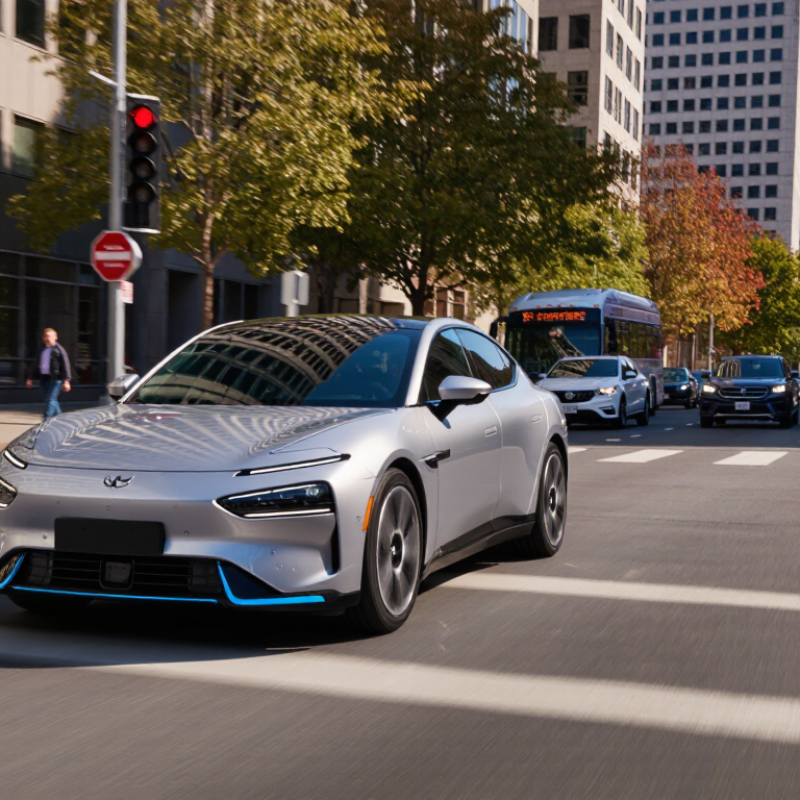
Self-charging hybrid cars use a petrol engine, an electric motor, and a rechargeable battery. No cable is required. The battery stores energy recovered during driving, especially when the vehicle slows down. This process is called regenerative braking. Instead of wasting all braking energy as heat, the motor briefly works as a generator. It sends electricity back to the battery.
A control system constantly balances both power sources. At low speeds, the electric motor may move the car quietly. During harder acceleration, the engine and motor can work together. The engine also charges the battery when its energy level becomes low. An inverter changes electrical power between the battery and motor. These decisions happen within seconds, often unnoticed by the driver.
The phrase “self-charging” can sound misleading. It does not mean unlimited energy or fuel-free driving. The petrol engine remains an important energy source. In city traffic, frequent braking can improve efficiency, while long highway trips may reduce the advantage. Real roads are messier. Cold weather, heavy loads, hills, and poor tire pressure can all increase fuel use. Buyers should check local fuel standards, battery warranties, repair support, and driving conditions before choosing a hybrid system. A short test drive in traffic often reveals more than a brochure.
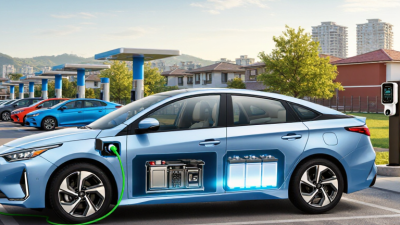
Global hybrid buyers should look beyond fuel economy figures. A self-charging hybrid does not require a plug, but it still depends on fuel quality, road conditions, and maintenance support. In hot regions, strong air-conditioning loads can reduce efficiency. In cold climates, battery performance may change noticeably. These details matter during daily driving, not just laboratory testing.
Check whether trained technicians and replacement parts are available near your home. Ask about battery warranty coverage, service intervals, and roadside assistance in writing. Local traffic, steep roads, and long highway journeys also influence the best powertrain choice. Safety equipment should match local conditions, while emissions ratings must be verified through reliable government or testing sources. No car performs perfectly everywhere. That is an uncomfortable, but useful, truth.
Tips: Compare real-world fuel records from drivers in your region. Test the vehicle with passengers and luggage, not alone. Listen for smooth engine transitions during slow traffic. Confirm the warranty before paying a deposit. If resale value matters, study local demand rather than international rankings. A lower purchase price can become expensive when specialist repairs are difficult to arrange. I would also leave room for doubt: published efficiency may not match your route, weather, or driving habits.
Leading self-charging hybrid models differ by market, even when their basic technology is similar. In Europe, compact hybrids suit narrow streets, high fuel prices, and strict emissions zones. Buyers often value low-speed electric driving and quiet cabin performance. In North America, larger hybrid sedans and sport utility vehicles may be more practical for long distances and family use. Fuel economy still varies with speed, weather, tire pressure, and driving habits.
Asian markets often favor smaller models because parking space is limited and urban traffic is dense. In hotter regions, air-conditioning can reduce electric assistance and increase fuel use. Cold climates may deliver shorter electric-running periods during winter mornings.
A self-charging hybrid does not need a plug. Its battery recovers energy during braking and stores power from the engine.
Tips: Compare official economy figures with independent road tests. Check warranty coverage, battery support, and local service access. Take a test drive in traffic. Listen for engine transitions. Small details matter.
A reliable purchase should match local roads, fuel costs, repair standards, and daily distances. Resale value can also vary sharply between countries. Some buyers expect perfect electric driving, but that expectation is unrealistic. Hybrid systems remain efficient, not magical. Before choosing, review safety ratings from recognized local authorities and inspect the rear-seat space, boot capacity, and visibility. A model that excels in one market may feel inconvenient elsewhere.
Top Self Charging Hybrid Cars for Global Buyers
Fuel Economy, Performance, and Ownership Costs
Self-charging hybrids suit drivers who want lower fuel use without installing a home charger. Their battery recharges through regenerative braking and the engine. In city traffic, the electric motor can handle short movements quietly. Stop-and-go roads often reveal the strongest savings. Highway gains may be smaller, especially at high speeds. Cold weather, hills, heavy loads, and air conditioning also reduce efficiency. The figures are not magic.
Performance feels different from a conventional petrol vehicle. Electric torque gives quick movement from a standstill, while the engine supports longer climbs and faster travel. Some systems feel smooth and calm. Others let the engine rev loudly during hard acceleration. A careful test drive matters more than a brochure figure. Try a steep ramp, a crowded junction, and a rough parking area. Small details expose real weaknesses.
Ownership costs deserve equal attention. Hybrids may reduce fuel spending and brake wear because regenerative braking handles part of the stopping work. However, the purchase price can be higher, and specialized repairs may cost more. Battery warranties, local technician training, insurance rates, and replacement-part availability vary widely by country. Check these details before buying. A large battery is not automatically better. Nor is the lowest fuel figure always the cheapest choice. Sometimes, a simpler vehicle fits a driver’s yearly mileage better. That is easy to overlook.
Top Self Charging Hybrid Cars for Global Buyers
Regional availability shapes the real value of a self-charging hybrid car. Models sold in Europe may differ from versions offered in Southeast Asia, the Middle East, or Australia. Local emission rules, import taxes, fuel quality, and spare-part networks all affect ownership. A vehicle that performs well in a cool city may feel less efficient in extreme heat. Battery cooling matters there. In colder regions, winter tires and cabin heating can reduce fuel savings.
Most self-charging hybrids recover energy during braking and store it in a compact battery. They do not require regular plug-in charging. During a test drive, watch how smoothly the system changes between electric and gasoline power. Listen for engine noise during uphill acceleration. Check rear-seat space, luggage capacity, safety sensors, and visibility. Warranty coverage should clearly include the hybrid battery and control systems. Service costs also deserve attention, because specialist training is not equally available everywhere. I may overvalue quiet driving, but long-term repair access matters more than a polished showroom experience.
Tips: Compare local prices with insurance and annual taxes. Ask whether replacement batteries are stocked nearby. Test the car in traffic, on hills, and over rough roads. Review resale demand in your region. Do not assume the highest advertised fuel economy will match daily driving. Short trips can be surprisingly efficient. Ndzi
| Vehicle Class | Typical Powertrain | Approximate Combined Output | Typical Fuel Economy | Electric-Drive Capability | Typical Regional Availability | Main Strengths | Key Buying Considerations |
|---|---|---|---|---|---|---|---|
| Compact Hatchback | 1.5–2.0-litre petrol engine with one or two electric motor-generators and a small traction battery | 85–135 kW | Approximately 4.0–5.0 L/100 km combined, depending on traffic, wheels, and climate | Short, low-speed electric running is possible; the battery is recharged through regenerative braking and engine operation | Japan Europe Australia Selected availability in North America | Low urban fuel consumption, easy parking, moderate purchase price, and efficient stop-start operation | Rear-seat and cargo space may be limited. Highway economy can be less impressive than city economy, especially at high speeds. |
| Compact Sedan | 1.5–2.0-litre petrol-electric hybrid system with front-wheel drive or optional all-wheel drive | 95–150 kW | Approximately 4.2–5.4 L/100 km combined | Electric assistance is strongest during launch, low-speed cruising, and light-load driving | North America Japan Europe Southeast Asia | Comfortable commuting, good aerodynamic efficiency, and a useful balance between refinement and operating cost | Check whether the hybrid battery reduces trunk depth. All-wheel-drive versions may use more fuel and have higher maintenance costs. |
| Midsize Sedan | 2.0–2.5-litre petrol engine paired with an electric motor system and electronically controlled transmission | 125–190 kW | Approximately 4.7–6.2 L/100 km combined | Frequent electric motor support in urban driving; engine power is added for acceleration and sustained highway speeds | North America Europe Japan Australia | Quiet ride, strong long-distance comfort, good fuel economy for its size, and generous passenger space | Compare rear-seat space, boot capacity, and standard safety equipment. Larger wheels and high-performance versions can reduce efficiency. |
| Compact Crossover | 1.8–2.5-litre petrol-electric system; front-wheel drive is common, with electric all-wheel drive offered in some markets | 115–185 kW | Approximately 5.0–6.7 L/100 km combined | Electric drive supports low-speed movement and acceleration; all-wheel-drive variants can use a separate rear electric motor | North America Europe Japan Australia China | Practical seating position, flexible cargo area, moderate fuel use, and broad global market coverage | Do not assume every trim has all-wheel drive. Verify ground clearance, towing capacity, spare-wheel provision, and battery placement. |
| Midsize Crossover | 2.0–2.5-litre petrol-electric powertrain, often with optional electric all-wheel drive | 150–230 kW | Approximately 5.8–7.5 L/100 km combined | Strong electric assistance at low and medium speeds; sustained high-speed operation relies more heavily on the petrol engine | North America Europe Australia Japan Limited availability in some emerging markets | More passenger and cargo room than compact crossovers, comfortable road manners, and useful family practicality | Higher kerb weight can offset some hybrid savings. Check third-row availability, towing limits, tire costs, and real-world fuel economy. |
| Three-Row Hybrid SUV | 2.0–2.5-litre petrol engine with one or more electric motors; front- or all-wheel drive depending on configuration | 140–230 kW | Approximately 6.5–8.5 L/100 km combined | Electric assistance helps during launches and low-speed manoeuvres; full electric operation is usually brief and load-dependent | North America Australia Japan Select European and Asian markets | Family-friendly seating, improved urban efficiency over conventional large SUVs, and strong low-speed response | Fuel economy varies greatly with passenger load and terrain. Confirm usable third-row space, cargo room behind the third row, and towing capability. |
| Hybrid Estate or Wagon | 1.8–2.5-litre petrol-electric system with a low body profile and enlarged rear cargo area | 110–190 kW | Approximately 4.5–6.5 L/100 km combined | Electric motor assistance is available during urban driving, coasting, and acceleration; no external charging is required | Europe Japan Australia Limited availability in North America | Large luggage area, lower aerodynamic drag than many SUVs, comfortable handling, and good long-distance efficiency | Availability can be narrow outside Europe and Japan. Check rear-seat folding design, roof-load limits, and battery-related cargo-space compromises. |
| Hybrid All-Wheel-Drive Crossover | Petrol engine driving the front axle with an additional electric motor for the rear axle; mechanical driveshaft may not be fitted | 130–220 kW | Approximately 5.5–7.5 L/100 km combined | Rear electric motor provides traction assistance when required; battery regeneration occurs during braking and deceleration | North America Japan Europe Australia | Extra traction in rain, snow, and loose surfaces without the weight of a conventional mechanical four-wheel-drive system | It is not automatically equivalent to a low-range off-road system. Review ground clearance, tire specification, water-wading limits, and winter performance. |
| Premium Hybrid Sedan or SUV | 2.0–3.5-litre petrol engine with a multi-motor hybrid system and advanced cabin technology | 180–330 kW | Approximately 5.5–9.0 L/100 km combined | More powerful electric motors can deliver smooth low-speed propulsion and rapid torque response | North America Europe Japan China Selected availability in Australia and the Middle East | Refinement, quiet operation, strong acceleration, advanced driver assistance, and high equipment levels | Purchase price, insurance, tire costs, and repair complexity are higher. Confirm local specialist service coverage and hybrid-system warranty terms. |
Figures are representative ranges for non-plug-in hybrid vehicles and vary by market, body style, drivetrain, wheel size, weather, traffic, and testing method. Self-charging hybrids do not require an external charger; their batteries are replenished by regenerative braking and the petrol engine.