2026 Best Affordable Cars for Global Buyers to Consider?
In today's automotive market, finding affordable cars is a daunting task for many global buyers. With prices on the rise, the search for reliable and budget-friendly options becomes more urgent. Affordable cars not only provide value but also essential features that meet the needs of diverse consumers. Each year, the competition among car manufacturers intensifies, pushing innovation in the realm of cost-effective vehicles.
The year 2026 promises to unveil an exciting array of affordable cars that cater to different preferences. From compact sedans to spacious SUVs, buyers will find a mix of efficiency, safety, and technology. However, not all vehicles labeled as "affordable" fulfill expectations. It's crucial to weigh the pros and cons of each option. In the quest for savings, some may overlook crucial aspects like fuel efficiency and long-term reliability.
Ultimately, the desire for affordable cars reflects a larger trend toward practicality in an ever-evolving marketplace. Staying informed about the best choices ensures that buyers make confident decisions. Explore the affordable options on the horizon in 2026, and embrace the possibilities that lie ahead.
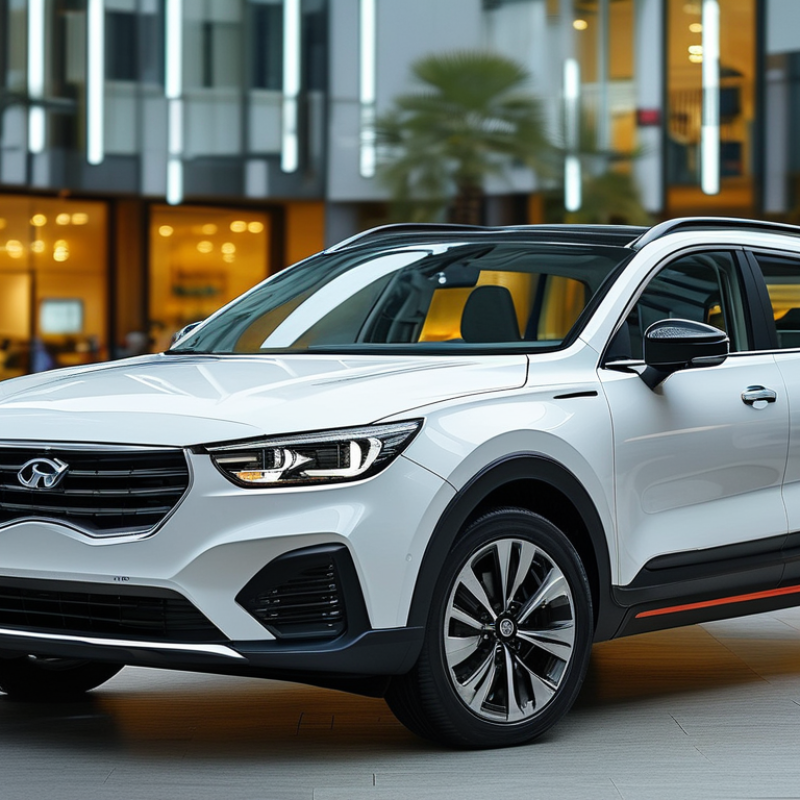
Overview of the 2026 Affordable Car Market for Global Buyers
The 2026 affordable car market is shaping up to be diverse and promising for global buyers. According to the latest industry report by J.D. Power, affordability remains a key factor. Approximately 45% of potential car buyers prioritize price in their purchasing decisions. This demographic seeks reliable vehicles that fit within tight budgets. Competitive pricing is essential for this market segment, especially in economies recovering from the pandemic.
Moreover, emerging markets are driving demand for affordable vehicles. Research from McKinsey indicates that by 2026, the sales volume of affordable cars in regions like Southeast Asia could increase by 15%. Consumers in these areas often prioritize durability and fuel efficiency. However, there are challenges. The push for electric vehicles may drive up initial costs. Many buyers feel unsure about navigating this transition.
Another consideration is technological advancements. While features like advanced safety systems are becoming standard, they can raise prices. The industry needs to balance innovation with affordability. Buyers often express frustration over the lack of options that combine both. As we approach 2026, understanding consumer expectations will be vital for manufacturers aiming to succeed in this segment.
Key Factors to Consider When Choosing an Affordable Car
When choosing an affordable car, buyers should prioritize fuel efficiency. According to industry reports, cars averaging over 30 miles per gallon offer significant savings. This can lead to decreased fuel expenses over time, which is crucial for budget-conscious buyers. Equally important is the vehicle’s safety rating. A study by the National Highway Traffic Safety Administration indicates that choosing cars with a five-star safety rating can reduce the likelihood of serious injuries in accidents.
Another key factor is maintenance costs. Regular upkeep can strain finances, so selecting a car with low maintenance requirements is vital. Data from Consumer Reports highlights that certain vehicles incur fewer repair costs. Reliability is also paramount, as a dependable car minimizes unexpected expenses. Buyers should consider user reviews and reliability ratings when assessing options.
Resale value should not be overlooked. Cars with higher resale values preserve investment better. A study by Kelley Blue Book shows that certain segments maintain value significantly over time. However, this can vary widely. Some models may lose value quickly, exposing buyers to potential losses. A thorough examination of local market trends can help detect such discrepancies.
2026 Best Affordable Cars for Global Buyers to Consider
This chart illustrates the factors that influence the selection of affordable cars for global buyers in 2026. Key considerations include fuel efficiency, safety ratings, maintenance costs, and resale value.
Top Affordable Cars for 2026: Performance and Features
When considering the best affordable cars for 2026, performance and features play a vital role. According to a recent market analysis by automotive experts, buyers prioritize efficiency and safety features alongside cost. Nearly 70% of consumers indicated these attributes as key decision factors in their vehicle selections.
In this evolving landscape, many models are offering advanced technology at accessible prices. Reports suggest that cars under $30,000 are increasingly featuring adaptive cruise control, lane-keeping assistance, and enhanced infotainment systems. However, while many vehicles excel in performance, some still lack in interior materials quality or adequate cargo space, which could impact overall driver satisfaction.
Another trend noted by industry analysts is the emphasis on fuel efficiency and green technologies. Hybrid options are becoming more common, with around 40% of new models expected to offer hybrid variants by 2026. Yet, the transition isn’t seamless. Some drivers express concerns about the long-term reliability of these newer technologies. Balancing performance with affordability remains a challenge, prompting ongoing discussions in the automotive community.
Comparative Analysis of Pricing and Value Across Different Brands
In 2026, affordable cars offer great value to global buyers. This year, a range of manufacturers provide competitive pricing. Each brand targets unique customer needs. The importance of understanding pricing at a local level can’t be overstated. Factors like local taxes and import duties significantly affect car costs. Often, buyers overlook such details, leading to unexpected expenses.
A thorough comparative analysis reveals differences in features and reliability among models. Some brands focus on fuel efficiency, while others prioritize safety. Buyers may find that the base model of one brand could cost less than a fully equipped version from another. This can make decision-making complex. Focusing solely on price often detracts from value assessment. It’s essential for buyers to gauge overall quality.
Exploring innovative features shared among affordable car segments is crucial. Up-and-coming manufacturers are introducing tech-savvy amenities. However, some consumers note that not all tech features live up to expectations. Quality assurance varies widely across options. A vehicle that seems budget-friendly may entail higher maintenance costs in the long run. Hence, an informed approach is vital for sustainable choices.
Future Trends in Affordable Cars: What to Expect Beyond 2026
As we look towards the future of affordable cars, various trends are emerging that could reshape the market. According to a report by the International Automobile Manufacturers Association, the demand for electric vehicles (EVs) in the affordable segment is expected to soar. By 2026, it is estimated that nearly 30% of new car sales will be electrified models, making them more accessible to global buyers. This shift not only reflects consumer preferences but also governmental push for greener technologies.
Furthermore, advancements in manufacturing are driving down costs. A study conducted by J.D. Power indicates that production efficiencies will allow automakers to provide technologically advanced features at lower prices. Consumers can expect better safety features and enhanced connectivity options in these vehicles. However, it’s important to recognize that the transition to electrification poses challenges. Infrastructure for charging remains underdeveloped in many regions. The disparity in availability could hinder the adoption of affordable electric cars. Balancing innovation with practicality remains a key focus for the industry.
In the realm of materials, the use of lightweight composites is anticipated to increase. This will improve fuel efficiency, but new materials can complicate the repair process. As manufacturers push towards sustainability, buyers might face trade-offs regarding repairability. While exciting innovations are on the horizon, the industry must address these evolving challenges.