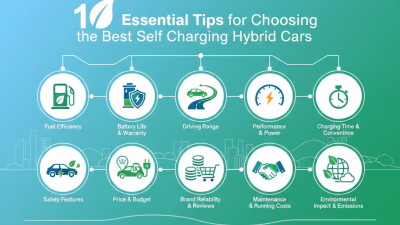
Choosing a hybrid in 2026 means looking beyond badges and impressive fuel-economy claims. Self Charging Hybrid Cars recharge their batteries through the engine and regenerative braking, so drivers do not plug them in. That can suit busy city streets, where stop-and-go traffic gives the system opportunities to recover energy. But the benefit varies with your route, driving style, weather, and vehicle model. Real journeys matter.
Toyota Chief Scientist Gill Pratt offered a useful principle: “The best solution is the one that gets the most carbon reduction, the soonest.” For a car buyer, that means matching the technology to everyday needs, not chasing a fashionable label. Consider how often you drive in town, how many motorway miles you cover, and whether the rear seats and boot fit your life. Compare independent fuel-economy results, safety equipment, servicing costs, warranty terms, and the final on-road price. A short test drive can reveal more than a polished brochure: listen for engine noise under acceleration and notice how smoothly the car changes between power sources.
The “self-charging” name can sound like free energy. It is not. The battery still draws energy from fuel and braking, and savings depend on use. That detail is easy to overlook. This guide will help you compare practical trade-offs, check claims carefully, and choose a hybrid that feels right on your actual roads—not only on paper.
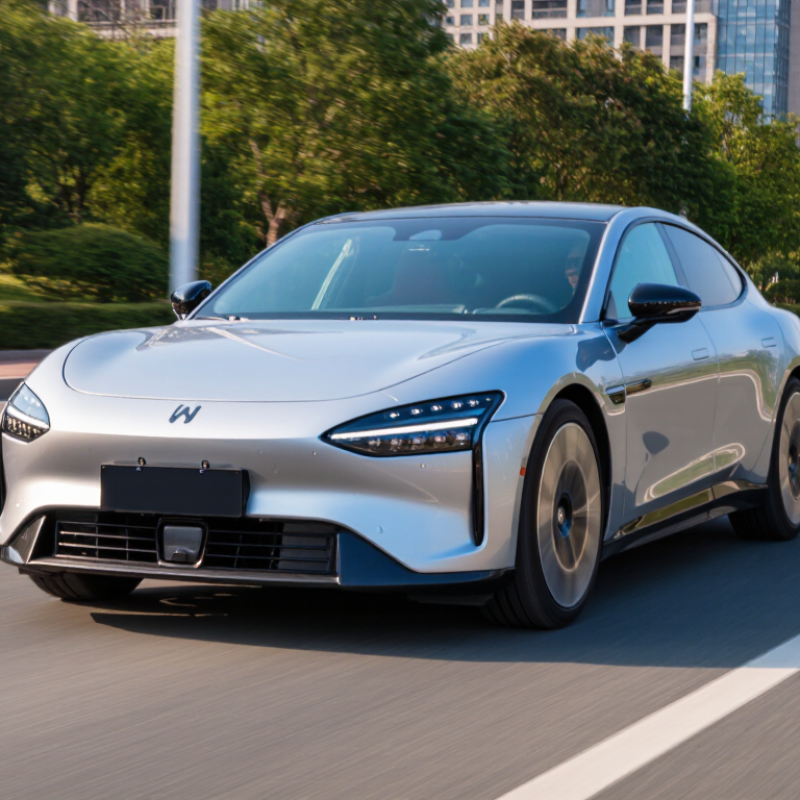
Choosing a self-charging hybrid in 2026 starts with understanding what “self-charging” means. A conventional hybrid does not need to be plugged in. Its battery receives energy while the car is driven, mainly through regenerative braking and, when needed, the engine.
The U.S. Department of Energy explains that regenerative braking uses an electric motor as a generator. When you slow down, it converts some of the car’s motion into electricity and stores it in the battery. This is especially noticeable in stop-and-go traffic. It cannot recover all the energy lost during braking, though. Some still becomes heat.
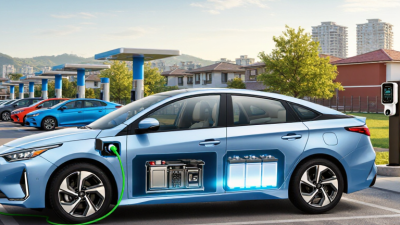
The engine can also help charge the battery. Depending on the vehicle’s control system and driving conditions, it may send power to a generator, which produces electricity. The stored energy can then assist the motor during acceleration or low-speed driving. The exact balance varies, so a short test drive may not reveal everything. Look for clear explanations of battery operation, fuel economy estimates, and maintenance needs. I would not judge a hybrid by the “self-charging” label alone. Check how it performs on your usual routes, especially if they include long highway stretches. That detail matters.
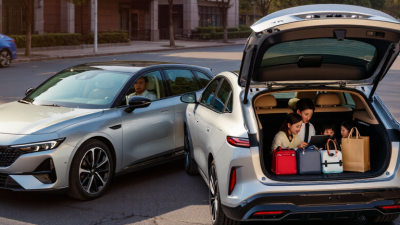
When comparing self-charging hybrids for 2026, look at the EPA city, highway, and combined MPG ratings together. The combined figure is useful for a quick comparison, but it may not match your routine. A driver who spends most of the week in stop-and-go traffic should pay close attention to city MPG. Regenerative braking can help in urban driving, though steep hills, cold starts, and heavy air-conditioning use may affect real-world results. Numbers need context.
For regular highway commutes, compare highway ratings across vehicles, not just the combined estimates. At steady speeds, a hybrid may have less opportunity to recover braking energy, so its city advantage can shrink. Check that each figure comes from the EPA label for the exact model year and configuration you are considering. Small differences matter less if your daily route is unpredictable.
Try a simple estimate before deciding. If you drive mostly on city streets, use the city rating as your starting point; for long trips, give highway MPG more weight. Then compare those figures with your own fuel records after a test drive or rental, if possible. Real roads differ. I would not treat one impressive combined number as a promise: weather, speed, tires, and driving habits all influence fuel use.
When comparing self-charging hybrids, use each vehicle’s EPA combined fuel-economy estimate as a starting point. It reflects standardized testing, not your exact commute.
Estimate annual fuel cost with this formula:
yearly miles ÷ combined miles per gallon × fuel price per gallon.
For example, 12,000 miles ÷ 45 mpg × $3.50 equals about $933 a year. Check local prices; the estimate can shift quickly.
Use your real mileage, not an optimistic guess. A 20-mile weekday commute plus weekend errands may add up to more than expected. Highway speeds, cold mornings, hills, and heavy traffic can reduce efficiency, even when regenerative braking helps in stop-and-go driving.
Keep a two-week mileage log, then estimate your annual total. Compare costs at both lower and higher fuel prices. EPA figures help compare vehicles, but they are not a promise.
A mileage log can still miss school runs or detours, so leave some room for uncertainty when weighing fuel savings against a higher purchase price.
When choosing a self-charging hybrid in 2026, compare the battery warranty in the actual warranty booklet, not just a sales page. Check how many years and miles are covered, and when coverage begins. These limits can vary by model, market, and registration date.
Read what “battery coverage” means. Does it cover a faulty pack, or also capacity loss below a stated threshold? Look for exclusions, required maintenance, and rules for diagnosing a fault. Ask how a battery claim is tested and whether the warranty transfers to a later owner. Get unclear answers in writing. Small details matter.
A practical comparison is to place each car’s terms side by side: time limit, mileage limit, covered components, capacity threshold, and claim process.
A longer warranty may sound better, but its exclusions can narrow the protection. Check the manufacturer’s current documents or request clarification from an authorized service provider; online summaries may be outdated. One comparison can still be imperfect: wording differs, and real repair experiences are hard to predict. Keep a copy of the terms with the vehicle records. It helps later.
When comparing 2026 self-charging hybrid cars, treat safety scores as evidence, not decoration. NHTSA’s 2024 New Car Assessment Program describes its five-star ratings for frontal, side, and rollover protection. Check the rating for the exact model year and trim, since safety equipment can vary. Five stars help, but they do not cover every crash situation. That distinction matters.
Then review the vehicle’s results in the Insurance Institute for Highway Safety’s 2025 ratings. IIHS reports performance in tests such as small-overlap front, updated side-impact, and headlight evaluations. Its 2025 award criteria also raise the bar for some crash tests, so check the specific results rather than relying on an award label alone.
Compare the passenger-compartment structure, restraint performance, and available crash-prevention features. A quiet hybrid cabin can make a drive feel secure; that feeling is not crash-test evidence.
A useful, imperfect habit: open both organizations’ result pages side by side, and note any test without a rating.
Safety scores are guides, not guarantees.