2026 Top Auto Car Trends You Need to Know?
The automotive industry is on the brink of transformation. With technology evolving rapidly, 2026 promises to introduce significant changes in Auto Cars. According to a recent McKinsey report, over 50% of new vehicles will incorporate electric technologies by 2026. This shift emphasizes the industry’s commitment to sustainability. Yet, challenges remain.
Consumer preferences are also shifting. A Deloitte study noted that 72% of millennials prioritize environmental impact when selecting their vehicles. However, many consumers still have concerns about the range and affordability of electric Auto Cars. Industry leaders must navigate these hurdles while innovating.
As we approach 2026, connectivity becomes crucial. Data from Gartner suggests that 75% of new cars will be equipped with advanced connectivity features. Yet, how do we ensure data privacy for users? There are unanswered questions amidst this wave of innovation. The future of Auto Cars is exciting, but it requires careful consideration and reflection on potential pitfalls.
2026 Electric Vehicle Adoption Rates and Key Market Drivers
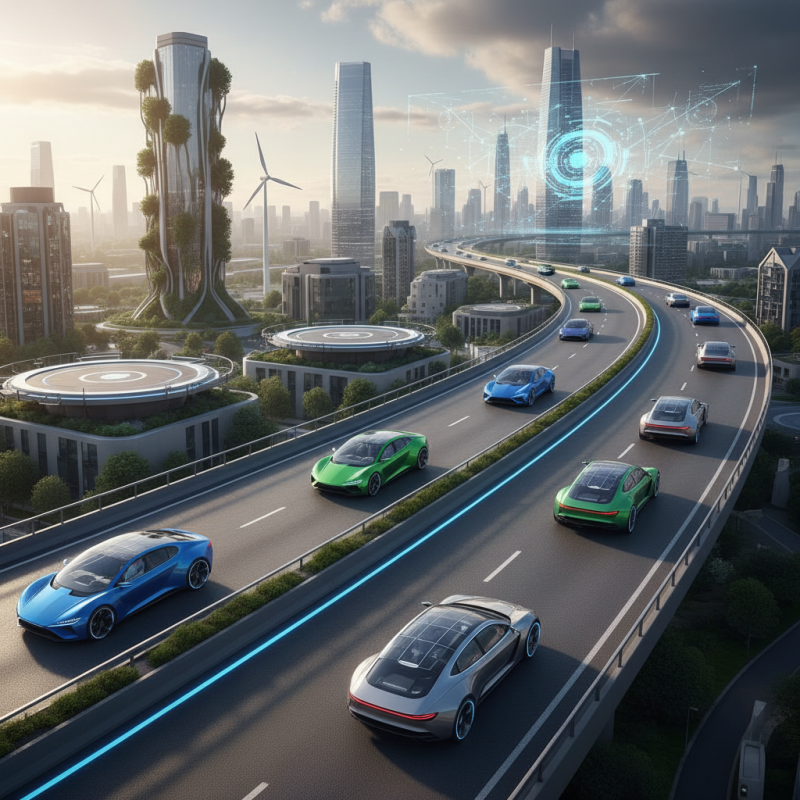
Electric vehicle adoption rates are set to surge in 2026. More consumers are becoming aware of environmental issues. This awareness pushes many to choose electric vehicles. Government incentives will also play a crucial role. Tax breaks and rebates can ease the financial burden on buyers. Charging infrastructure is growing, making EVs more appealing.
However, challenges remain. Battery production causes environmental concerns. The sourcing of raw materials is not always sustainable. This creates a dilemma for eco-conscious consumers. Additionally, charging station accessibility is inconsistent. In urban areas, it's often easier to find a charger. Rural areas, however, face significant shortages.
Market drivers include technological advancements in battery life. Longer lasting batteries mean fewer replacements. Improved performance appeals to a broader audience. Yet, some consumers remain skeptical about reliability. The perception of electric vehicles still needs to shift. More education and awareness are essential for a smooth transition. As the industry evolves, these factors will shape the future of transportation.
The Rise of Autonomous Vehicles: Current Technologies and Future Projections
The rise of autonomous vehicles is reshaping the automotive landscape. Current technologies focus on advanced sensors and machine learning. Lidar systems provide crucial data for navigation. Cameras capture real-time images of the surroundings. However, challenges remain. Interpreting complex scenarios requires immense computing power. Real-world conditions often confuse automated systems.
Future projections suggest a more integrated approach. These vehicles may communicate with smart infrastructure. Traffic signals could interact with cars. This synergy aims to enhance safety and efficiency. Yet, ethical dilemmas arise. How do we prioritize human life in critical situations? Additionally, cybersecurity poses a risk. Hackers might exploit vulnerabilities in autonomous systems.
Public acceptance is another hurdle. Many are hesitant about fully autonomous driving. The fear of loss of control is palpable. Trust must be built through transparent testing and communication. Engaging stakeholders is essential for overcoming these concerns. Solutions will take time and collaboration. Each step forward offers potential, but reflection and caution are necessary.
Sustainable Materials in Automotive Manufacturing and Their Impact on Costs
Sustainable materials are gaining traction in automotive manufacturing. The shift towards eco-friendly components is reshaping the industry. Reports indicate that the global market for sustainable automotive materials could reach $90 billion by 2025. This growth reflects a rising consumer demand for greener options.
Adopting these materials often increases production costs. Bio-based plastics might be more expensive than traditional options. Yet, the long-term benefits could offset these initial expenses. Studies suggest that companies using sustainable practices can enhance brand loyalty and market share. However, balancing sustainability with affordability remains a challenge.
Recycled aluminum and plant-based composites show promise in reducing emissions. They offer lightweight alternatives that improve fuel efficiency. Yet, the supply chain for these materials can be inconsistent. Companies may struggle to find reliable sources, impacting production timelines. Investing in R&D could mitigate some of these risks, but it requires significant upfront commitment. The journey to a sustainable auto industry is complex and requires careful navigation.
Trends in Connected Car Technologies and Consumer Demand Insights
The future of connected car technologies is bright, driven by consumer demand. Reports suggest that by 2026, over 60% of vehicles sold globally will feature advanced connectivity options. This transformation reflects a shift in consumer expectations. Today’s drivers prioritize seamless integration with smart devices. They seek personalized experiences that enhance safety and convenience.
Data reveals that 45% of car buyers rank connectivity features as a top priority during their purchasing decisions. Many drivers are eager for features like real-time traffic updates and remote vehicle control. However, challenges remain. Some consumers express concerns about data privacy and cybersecurity risks associated with connected vehicles. Missteps in handling data or security breaches could undermine consumer trust.
The market is evolving rapidly, yet not all companies are ready. A report noted that nearly 30% of OEMs are still developing their connectivity strategies. It's clear that the industry must adapt quickly to meet consumer demand. To succeed, automakers need to balance innovation with security, ensuring that they address consumer concerns effectively. The road ahead is complex, filled with opportunities and potential pitfalls.
Emerging Innovations in Vehicle Safety Technologies and Their Effectiveness
Emerging vehicle safety technologies are reshaping the auto industry. Innovations such as automatic emergency braking have seen a significant adoption rate. According to a recent industry report, nearly 60% of new models now feature this system. It identifies potential collisions and applies the brakes if necessary. Yet, its effectiveness varies across different driving conditions.
Advanced driver-assistance systems (ADAS) are also on the rise. These systems offer features like lane-keeping assistance and adaptive cruise control. However, a study revealed that reliance on these technologies can lead to complacency among drivers. Approximately 30% of users admitted they were less attentive while using ADAS. This raises concerns about how these advancements are used.
Moreover, collision avoidance technologies are becoming standard. Yet, not all drivers fully understand their functions. A survey indicated that 40% of drivers reported confusion over how such features worked. This knowledge gap can undermine their effectiveness. Bridging this gap is crucial for improving road safety in the long term.
2026 Top Auto Car Trends You Need to Know
| Trend |
Description |
Effectiveness |
Expected Adoption Rate (%) |
| Autonomous Driving |
Vehicles equipped with advanced AI systems to navigate without human intervention. |
High |
45 |
| Vehicle-to-Everything (V2X) |
Communication between vehicles and infrastructure to improve safety and traffic flow. |
Medium |
30 |
| Advanced Driver Assistance Systems (ADAS) |
Systems that provide driving assistance to enhance safety, such as lane-keeping and adaptive cruise control. |
High |
60 |
| Biometric Vehicle Access |
Using fingerprints or facial recognition to unlock vehicles and start the engine. |
Medium |
25 |
| Augmented Reality Dashboards |
Integration of AR to provide information directly onto the windshield. |
Medium |
35 |