What is a PHEV SUV and How Does it Work?
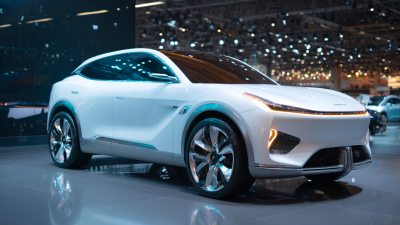
The PHEV SUV, or Plug-in Hybrid Electric Vehicle Sport Utility Vehicle, is gaining popularity. Many drivers are looking for practical and eco-friendly options. These vehicles combine a gasoline engine with an electric motor, offering flexibility for various driving needs.
A PHEV SUV operates by using both energy sources. When fully charged, it can drive on electric power for short distances. This feature is especially useful for daily commutes. However, some drivers may find the transition between electric and gas feels less smooth than expected. Despite this, the potential for reduced emissions remains appealing.
While PHEV SUVs offer benefits, their efficiency can vary. Factors like weight and driving habits impact performance. Some users report challenges with charging infrastructure. These realities prompt us to think critically about our choices in sustainable transportation. Embracing the PHEV SUV is a step forward, but it requires careful consideration and an understanding of each vehicle's capabilities.
What is a PHEV SUV?
A PHEV SUV, or Plug-in Hybrid Electric Vehicle Sports Utility Vehicle, combines gasoline and electricity for power. It features both an electric motor and a traditional combustion engine. This blend allows drivers to enjoy the perks of electric driving while retaining the range of gasoline vehicles.
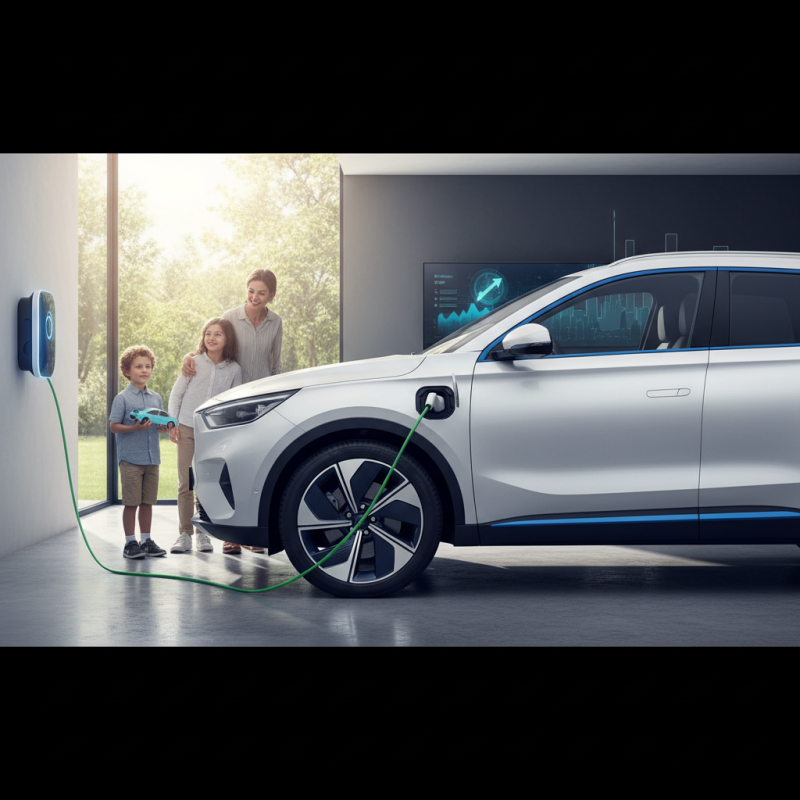
Charging a PHEV SUV is straightforward. You can plug it into a regular outlet or a dedicated charging station. It usually takes a few hours for a full charge. Once charged, the SUV can travel a distance on electric power alone, suitable for daily commutes. This means less reliance on gasoline, reducing fuel costs.
Tips:
Consider your daily driving habits. If they involve short trips, a PHEV can be practical. Another aspect to ponder is charging infrastructure in your area. Not all areas have sufficient charging stations. Reflect on whether you have access to home charging. If not, a PHEV might be less convenient.
Regular maintenance is vital
Even for hybrid vehicles, PHEVs have complex systems that need attention. Ignoring this can lead to unforeseen repairs. Keep an eye on battery health too. Replacing batteries can be costly. Understanding these aspects can guide your choice in getting a PHEV SUV. It’s more than just a vehicle; it’s a lifestyle choice.
Key Components of a PHEV SUV
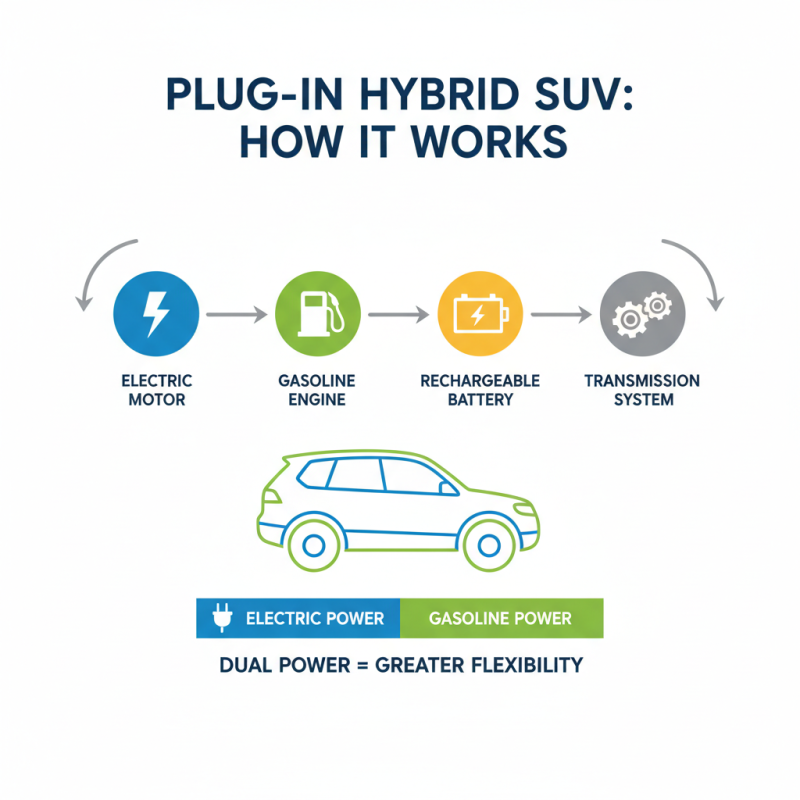
A Plug-in Hybrid Electric Vehicle (PHEV) SUV combines both electric and gasoline power. The key components include an electric motor, a gasoline engine, a rechargeable battery, and a transmission system. This dual setup allows for greater flexibility in driving.
The electric motor enables the vehicle to run on battery power alone for short distances, which can lower emissions and improve fuel efficiency. According to the International Energy Agency, PHEVs can typically reach an electric-only range of 20 to 50 miles. However, many consumers fear the limitations of battery life and range anxiety. This challenge can discourage eco-friendly choices.
The gasoline engine kicks in when the battery is low or more power is needed. This integration is beneficial, but it can lead to complexity in maintenance. Reports indicate that ECE regulations for PHEVs focus on emissions testing, which raises questions about whether these vehicles genuinely offer environmental benefits. Understanding how to balance electric use and gasoline consumption is critical for optimal performance.
How a PHEV SUV Operates: Electric and Gasoline Power
A PHEV SUV pairs an electric motor with a gasoline engine. This dual system allows for flexible and efficient driving. According to recent industry reports, sales of PHEVs have surged, indicating growing consumer interest. In 2022, PHEV SUVs accounted for about 5% of total SUV sales in North America.
When operating, the electric motor powers the vehicle at low speeds. Regenerative braking helps recharge the battery, making it more efficient. At higher speeds, the gasoline engine kicks in for extra power. However, this transition can be abrupt, leading some drivers to feel less control. Data shows that hybrid vehicles can achieve about 60 miles per gallon in city driving, but performance varies by model.
The battery capacity of a typical PHEV SUV is around 10-15 kWh. This allows for an electric range of 20-30 miles. While this is sufficient for daily commutes, long road trips still require gasoline. Many users report that charging infrastructure is improving, yet it remains inconsistent in some regions. This can be frustrating and requires careful planning for longer journeys.
PHEV SUV Energy Sources Comparison
This bar chart illustrates the energy sources used in PHEV SUVs, comparing the usage of electric power measured in kWh, gasoline power measured in gallons, and overall efficiency expressed as a percentage. The data reflects a common trend observed in plug-in hybrid electric vehicles.
Benefits of Owning a PHEV SUV
Owning a Plug-in Hybrid Electric Vehicle (PHEV) SUV offers numerous benefits. These vehicles combine a gasoline engine with an electric motor. This setup allows for reduced fuel consumption. Drivers can enjoy a quieter ride, especially in electric mode.
Fuel savings are significant. A PHEV SUV can often travel short distances on electric power alone. This means fewer trips to the gas station. Over time, this can lead to substantial savings on fuel costs. Drivers should also consider their daily commute. If it’s short, they might rely mostly on the electric motor.
Tips for maximizing your PHEV SUV experience:
- Charge regularly. Keeping your vehicle plugged in helps maintain battery health.
- Also, use regenerative braking. This feature stores energy during braking, extending your electric range.
- Keep in mind that weather can impact battery performance. Cold temperatures may reduce electric range.
- Monitor your driving habits and adjust as needed for the best efficiency.
Environmental Impact of PHEV SUVs Compared to Traditional Vehicles
PHEV SUVs, or Plug-in Hybrid Electric Vehicle SUVs, offer a unique blend of electric and traditional driving. They have a battery that can be charged by plugging it into an outlet. This allows them to run on electric power for a limited distance before relying on a gasoline engine. However, the environmental benefits of PHEV SUVs depend heavily on how they are used.
When driven primarily on electric power, PHEV SUVs can significantly reduce emissions. A full electric charge minimizes reliance on fossil fuels. However, this advantage diminishes if drivers frequently rely on the gasoline engine. Charging habits also play a crucial role. In regions with coal-powered grids, the environmental impact may not be as favorable.
Moreover, the production of PHEV batteries raises sustainability concerns. Mining for lithium and other materials affects ecosystems. The lifespan of these batteries also prompts questions about recycling. As interest grows, manufacturers need to address these challenges. The journey toward sustainability is ongoing, and PHEV SUVs are a step, but not the final answer.