
Leave Your Message

How to Choose the Best PHEV SUV?

Choosing the right Phev Suv means looking beyond a long electric-range figure or a polished showroom display. The International Energy Agency’s Global EV Outlook 2024 reports that electric car sales, including both battery-electric and plug-in hybrid models, reached nearly 14 million worldwide in 2023. They represented about 18% of new car sales. That growth has brought more choices, but also more specifications to compare.

Start with your real driving pattern. If your weekday commute is short and you can charge at home or work, usable electric range may matter most. If you regularly drive long distances, fuel economy after the battery’s charge is depleted deserves equal attention. Check cargo space with the rear seats upright, and test whether a child seat, stroller, or weekly groceries fit comfortably. Small details count. A charging cable taking up valuable trunk space can become irritating.

Compare official efficiency and range estimates, but treat them as benchmarks, not promises. The U.S. Environmental Protection Agency explains that real-world fuel economy can vary with driving habits, weather, road conditions, and vehicle maintenance. Cold mornings and highway speeds may reduce electric range. They matter. Review warranty coverage, charging time, safety ratings, and the total purchase cost alongside the vehicle’s headline range. The best choice is not automatically the SUV with the biggest battery. It is the one that fits your routine, budget, and access to charging. Be honest about that last part; convenient charging is easy to assume and harder to arrange.
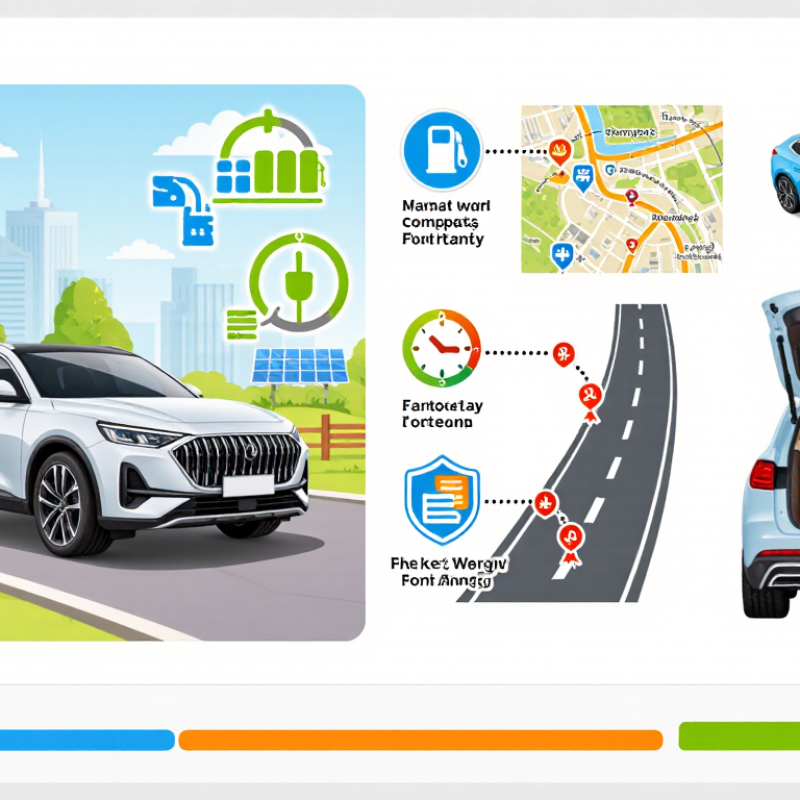
How to Choose the Best PHEV SUV?

Define Your Needs, Driving Habits, and Budget

Start with your week How far is your usual commute, and where could you charge? If you drive 18 miles to work and can plug in overnight, electric driving may cover much of your routine. If charging is uncertain, consider how often you would rely on the gasoline engine. That matters.

Think beyond the commute A PHEV SUV should fit the people and gear you actually carry: a rear-facing child seat, a folded stroller, or weekend luggage. Check cargo space with the rear seats in your usual position. Then consider your longer trips. Frequent highway travel can change how useful electric range feels, and cold weather or high speeds may reduce it. A test drive on a familiar route can reveal more than a specification sheet.

Set a budget for the whole experience Set a budget for the whole experience, not just the purchase price. Include charging equipment, electricity, fuel, insurance, and routine maintenance, and compare estimates using your local rates. Ask how the battery warranty works and what service is available nearby. It is easy to overvalue a long electric range on paper; your charging access may matter more. I might still get this choice wrong if my routine changes, so leave some room in the budget and your expectations.
Compare Electric Range, Fuel Economy, and Charging Options

Choosing the best PHEV SUV starts with matching its electric range to your ordinary driving. Track a typical week: school runs, commuting, and the grocery trip in the rain. If those trips fit within the SUV’s estimated electric range, you may use less gasoline. Leave a buffer, though; cold weather, high speeds, hills, and cabin heating can reduce usable range. The window sticker is a guide, not a promise.

Compare fuel economy in two ways: while the battery has charge and after it is depleted. A strong electric-range figure can look impressive, but longer trips may depend heavily on gasoline. Check the vehicle’s fuel-economy estimate in charge-sustaining mode, and compare figures measured using the same testing method. Small detail. Your results will still vary with traffic, tires, and driving habits. Even this comparison is imperfect: charging regularly changes how often the gasoline engine runs.

Charging access matters as much as range. A standard household outlet may replenish the battery overnight, but a larger battery can take many hours. A Level 2 charger can shorten that wait; confirm the vehicle supports the connection and charging speed you plan to use. Check the plug. Also ask whether public charging fits your routes, rather than assuming it will be convenient. A simple test helps: can you charge where the SUV usually parks, without changing your routine too much?

How to Choose the Best PHEV SUV?

Compare electric range, fuel economy, and charging options. This chart compares example AC charging setups; actual charging speeds depend on the vehicle and electrical supply.

How to use this: Level 1 uses a standard 120 V outlet; Level 2 uses 240 V equipment. The power figures are calculated from the example voltage and current shown and represent ideal input power, so real charging may take longer. When comparing SUVs, check each vehicle’s EPA-rated all-electric range and gasoline-only MPG. MPGe includes electric energy and should not be confused with gasoline-only MPG. Confirm the vehicle’s supported charging rate and connector before choosing a home charger.

Evaluate Size, Performance, Safety, and Practical Features

Choosing a plug-in hybrid SUV starts with the space your routine actually needs. Measure the garage, check rear-seat legroom, and see whether a stroller or weekly groceries fit behind the seats. Small details matter. A high cargo floor can make loading awkward, even when the published capacity looks generous.

Performance should suit your daily routes, not just a specification sheet. Drive in electric mode on familiar roads, then notice how smoothly the petrol engine joins in. Electric range can fall in cold weather or at highway speeds, so leave a margin in your plans. That part is easy to underestimate. Consider whether home or workplace charging is convenient, and whether the vehicle remains comfortable when the battery is low.

For safety, compare independent crash-test information and check which driver-assistance features are standard. Try the visibility, parking sensors, and controls yourself; alerts that feel helpful on a short drive may become distracting later. Bring child seats or bulky gear to a test drive if they are part of your life. A longer route can reveal more than a quick showroom loop. It may also expose compromises you would rather not notice.

Calculate Ownership Costs, Incentives, and Warranty Coverage

Choosing a plug-in hybrid SUV means comparing more than the purchase price. Estimate your yearly driving, electricity use, and fuel costs. A simple spreadsheet can help. Track a typical week: daily commute, weekend errands, and longer trips where the battery may run low. Use local electricity and fuel rates, not national averages. Charging at home often costs less than relying on public chargers, but installation may add an upfront expense.

Check incentives before calculating the final price. Eligibility can depend on the vehicle, buyer, location, and purchase date, and programs may change. Confirm details with official government or utility sources. Treat a rebate as uncertain until you verify the requirements. Then compare ownership costs over several years, including insurance, routine service, tires, and financing. The cheapest option on paper may not stay cheapest. My first estimate often misses charging equipment.

Warranty coverage deserves a close read. Compare the terms for the vehicle, battery, and plug-in hybrid components; coverage periods and conditions can differ. Ask what happens if battery capacity declines, and whether specific maintenance records are required. Save the warranty document and service receipts. Small print matters. Costs also depend on climate and charging habits, so published estimates may not match your driveway. A careful calculation will not predict every repair, but it can reveal which assumptions need checking before you sign.

Test-Drive Your Shortlist and Compare Final Choices

How to Choose the Best PHEV SUV?

Test-drive each shortlisted SUV on a similar route, with comparable battery charge. Include quiet residential streets, faster roads, and a hill if your usual journeys include one. Notice how smoothly the vehicle switches between electric and gasoline power. Listen closely. Tire noise can seem minor during a short drive but become tiring on a daily commute. Try gentle and firm braking, too; regenerative braking may feel unfamiliar at first.

If possible, drive once with a charged battery and again after its electric range is mostly used. That gives you a better sense of how the SUV behaves in both situations. Check visibility at junctions, ease of parking, rear-seat comfort, and whether child seats or luggage fit your actual needs. Bring a bag you regularly carry. Small details matter. Compare trip-computer readings cautiously, since weather, speed, and driving style can affect them. A short test drive cannot predict every ownership cost, and one model may feel better simply because its seat suits you. Note what you liked, what felt awkward, and which impressions need another drive.