Why Choose a Fully Electric SUV for Your Next Purchase?
When considering your next vehicle purchase, a Fully Electric SUV stands out as a prime choice. These vehicles combine eco-friendliness with practicality. The growing popularity of electric cars reflects a shift toward sustainable living. More consumers are recognizing the benefits of transitioning to electric power.
A Fully Electric SUV not only reduces your carbon footprint but also often comes equipped with smart technology. Many models offer impressive driving ranges, making long trips more feasible. However, it’s essential to evaluate charging infrastructure near your home or workplace. Not all areas offer comprehensive charging options, which can be a drawback.
The advanced safety features found in many Fully Electric SUVs further increase their appeal. From collision avoidance systems to adaptive cruise control, these vehicles prioritize your well-being. Yet, potential buyers should consider the upfront costs and long-term savings on fuel and maintenance. Familiarizing yourself with available tax incentives is also advisable. As electric vehicle technology continues to evolve, staying informed will help ensure your choice aligns with both your needs and values.
Benefits of Owning a Fully Electric SUV
Fully electric SUVs are becoming increasingly popular among consumers. One major benefit is their environmental impact. According to the International Energy Agency (IEA), electric vehicles can reduce greenhouse gas emissions by up to 70% compared to gasoline cars. This is significant in the fight against climate change.
Cost-saving is another advantage. A study by the U.S. Department of Energy shows that electric SUVs cost approximately 50% less to operate than traditional gas vehicles. They often come with tax incentives or rebates, further lowering the overall cost. Charging at home can also be more economical than filling up at gas stations.
Tips for potential buyers: Research local incentives and rebates before purchasing. Many areas offer tax breaks for electric vehicle owners. Additionally, consider the range and charging infrastructure in your area. Not all locations have equal access to fast charging stations. Understanding these factors can improve your experience and satisfaction with your electric SUV. Embrace the change, but reflect on your own needs and daily driving habits. Evaluate if an electric SUV aligns with your lifestyle, as it may not be suitable for everyone.
Cost Considerations: Initial Investment vs Long-Term Savings
When considering a fully electric SUV, cost is a primary factor. The initial investment can be higher than traditional vehicles. According to the U.S. Department of Energy, the average price of electric SUVs is around $55,000. This upfront cost can deter potential buyers. However, long-term savings often outweigh initial expenses.
Electric SUVs typically have lower operating costs. For instance, the cost per mile for electricity is significantly less than gas. The U.S. Energy Information Administration states that it costs around $0.14 per kWh. Many electric SUVs achieve around 3-4 miles per kWh. This translates to a total driving cost of roughly $0.04 per mile. Conversely, gasoline prices can fluctuate, often averaging $0.12 to $0.20 per mile.
Maintenance is another critical aspect. Electric vehicles have fewer moving parts. They do not require oil changes or exhaust systems. A report from Consumer Reports indicates that EV owners save about 50% on maintenance costs. Despite these benefits, potential buyers should consider their driving habits. Not everyone will maximize the advantages of an electric SUV. Charging infrastructure may vary by region. This inconsistency can be an obstacle for some.
Why Choose a Fully Electric SUV for Your Next Purchase? - Cost Considerations: Initial Investment vs Long-Term Savings
| Cost Item |
Fully Electric SUV |
Gasoline SUV |
| Initial Purchase Price |
$50,000 |
$35,000 |
| Federal Tax Credit |
-$7,500 |
$0 |
| Annual Fuel Costs |
$500 |
$2,000 |
| Annual Maintenance Costs |
$300 |
$800 |
| Resale Value (after 5 years) |
$30,000 |
$20,000 |
| Total Cost Over 5 Years |
$43,500 |
$40,000 |
Environmental Impact: Reducing Your Carbon Footprint
Choosing a fully electric SUV significantly reduces your carbon footprint. These vehicles produce zero tailpipe emissions, helping combat air pollution. This shift towards cleaner transport supports global efforts to fight climate change. By opting for an electric SUV, you contribute to a healthier environment for future generations. However, it's important to consider the entire lifecycle of the vehicle, from production to disposal.
Tips for reducing your carbon footprint further include regular maintenance. Keeping your electric SUV in good shape maximizes efficiency. Also, plan your trips wisely to avoid unnecessary drives. Carpooling can significantly cut down emissions too.
While embracing electric vehicles is a step forward, awareness of energy sources is crucial. Not all electricity comes from renewable resources. Some regions still rely on fossil fuels. It's essential to research and support green energy initiatives in your area. Every small action can lead to a larger impact. Be mindful of your choices to ensure they align with sustainability goals.
Environmental Impact of Fully Electric SUVs vs. Traditional Gasoline SUVs
This chart illustrates the environmental impact of fully electric SUVs compared to traditional gasoline SUVs. It highlights the significant reduction in CO2 emissions and annual fuel costs for fully electric options, emphasizing their role in reducing your carbon footprint and promoting a sustainable future.
Performance Features of Fully Electric SUVs
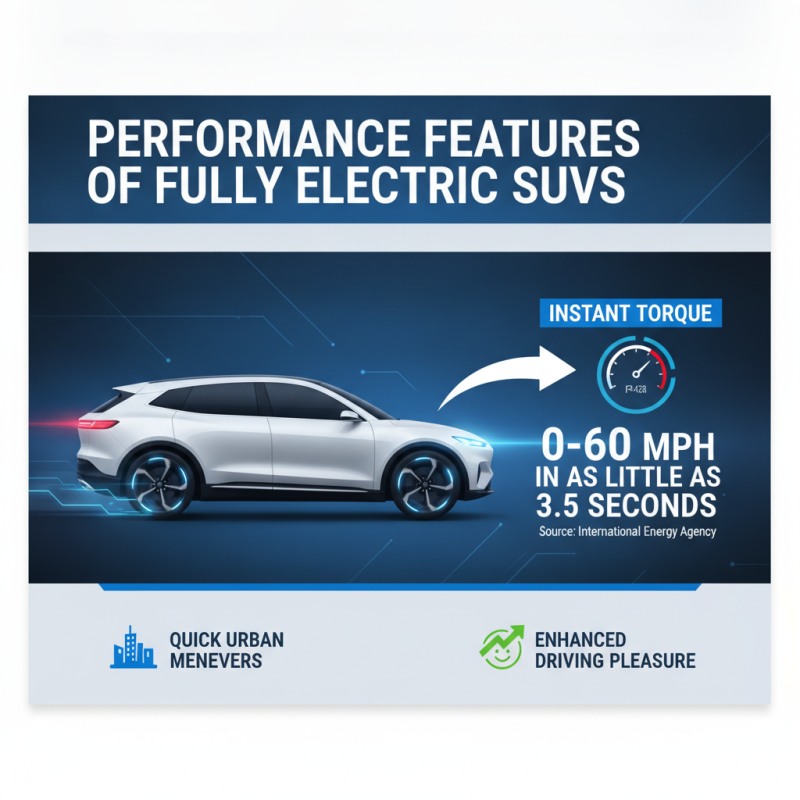
Fully electric SUVs are gaining traction due to their remarkable performance features. Many models provide instant torque, delivering quick acceleration that traditional gas vehicles cannot match. According to a report from the International Energy Agency, electric SUVs can accelerate from 0 to 60 mph in as little as 3.5 seconds. This rapid performance not only enhances driving pleasure but also offers a practical edge in urban environments where quick maneuvers are beneficial.
Battery technology plays a significant role in performance. Modern electric SUVs often feature lithium-ion batteries with capacities exceeding 80 kWh. This results in a range of over 300 miles on a single charge. Additionally, many models support fast charging, allowing drivers to recharge up to 80% in around 30 minutes. However, factors such as weather conditions and driving habits can impact overall efficiency.
Tips: Consider your driving needs before choosing. If you travel long distances frequently, look for models with extended ranges. Also, keep an eye on charging infrastructure in your area. This will help prevent any potential inconveniences. Remember that despite advancements, some users may still encounter range anxiety. Being mindful of routes and charging points can alleviate this concern.
Charging Infrastructure and Convenience for Daily Use
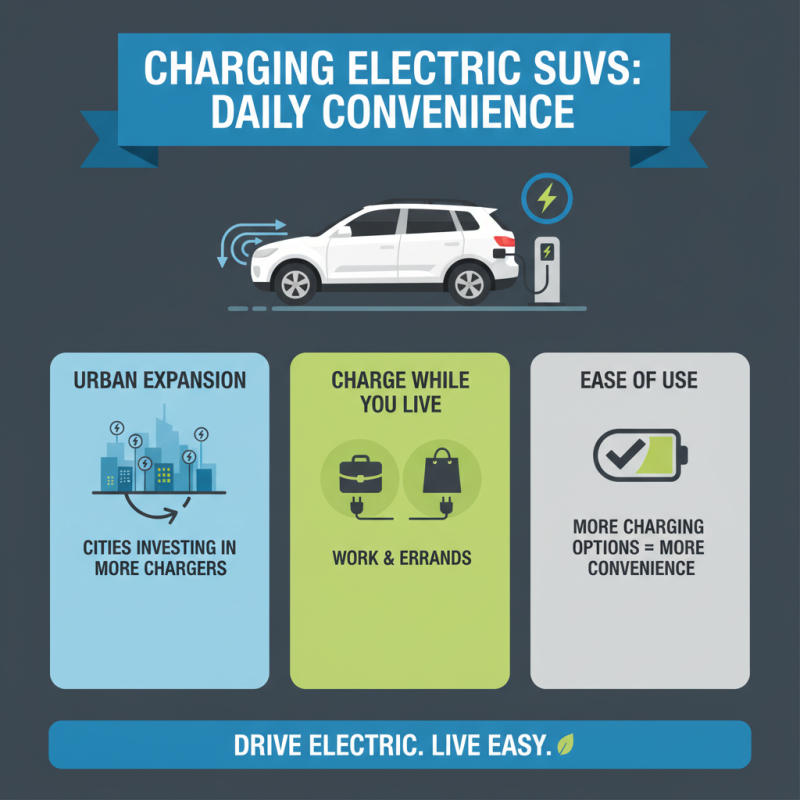
When considering a fully electric SUV, charging infrastructure plays a vital role. Many people worry about the availability of charging stations. However, numerous cities are investing heavily in expanding their networks. This means more convenience for daily use. Job sites and shopping centers often host chargers now. You can charge during work or errands, making it easier to drive electric.
Tips: Before purchasing, check local charging maps. Understand where you can charge the most. If you commute daily, find chargers along your route. This will enhance the experience.
Another factor to consider is home charging. Installing a charging station can simplify your routine. You can plug in your vehicle overnight, ensuring a full battery by morning. Research local regulations and incentives for home installations. However, some homes might lack proper electrical systems. Evaluate your situation carefully.
Tips: Always keep your battery charged. Know your range and the nearest stations. Planning trips becomes easier with a little foresight. This way, you won’t find yourself in a tight spot unexpectedly.