2026 Best 7 Seater Electric Cars for Global Buyers?
Choosing a 7 Seater Electric Car in 2026 will demand more than checking battery size or showroom range. Global buyers face different climates, charging networks, road conditions, taxes, and family habits. A spacious electric SUV may feel ideal in a European city, yet prove difficult on narrow Asian streets or remote Australian routes.
This guide compares the 2026 market through practical ownership questions. Can three rows carry adults comfortably? Does luggage space remain useful with seven passengers aboard? How quickly does the battery lose range in cold weather, heavy rain, or steep terrain? Real-world details matter. A claimed range is only a starting point.
Automotive designer Henrik Fisker has often expressed a clear industry direction: “The future is electric.” His view supports the wider shift toward cleaner and quieter family transport, but it does not answer every buyer’s concern. A large electric vehicle can still be expensive, heavy, and inconvenient when public charging is unreliable.
The strongest models should balance usable range, charging speed, safety technology, interior flexibility, warranty support, and long-term energy costs. Some results will remain conditional. Home charging changes the ownership experience dramatically. So does access to affordable service.
No ranking is perfect. Battery degradation data is still developing, and regional specifications can vary. This overview therefore focuses on evidence, hands-on practicality, and honest compromises. For families seeking a dependable 7 Seater Electric Car, the best choice may not be the vehicle with the biggest battery, but the one that fits daily life.
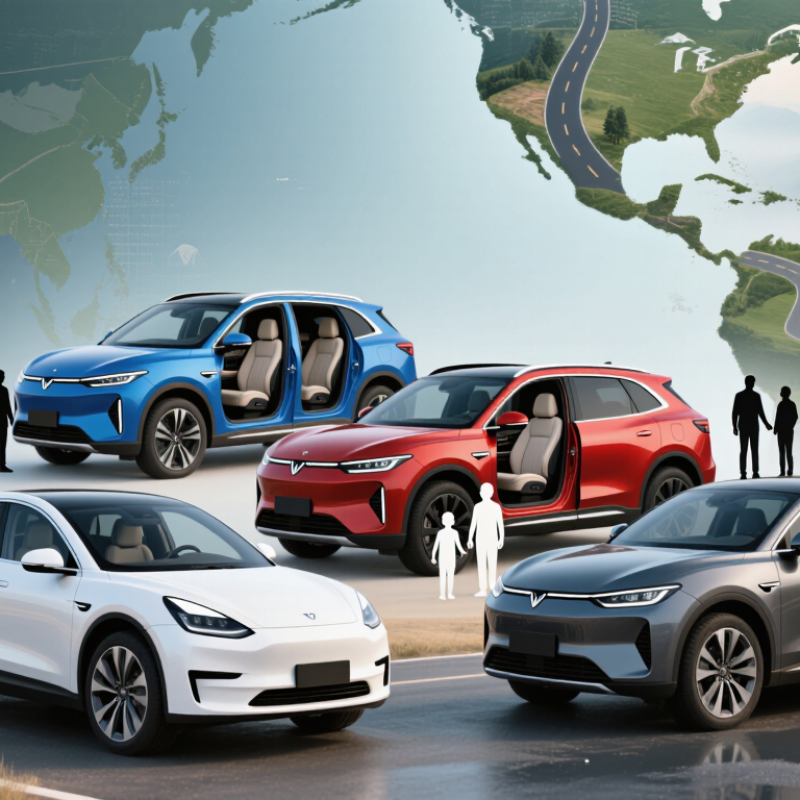
What Makes a Seven-Seater EV? Global Market Data from IEA Global EV Outlook 2025
2026 Best 7 Seater Electric Cars for Global Buyers?
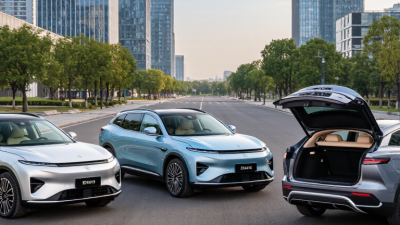
By 2026, seven-seater electric vehicles may become more practical for large families and shared travel.
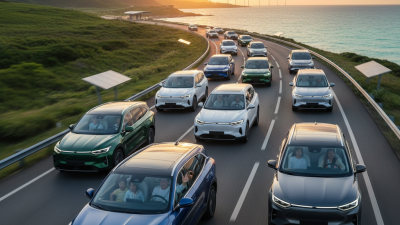
According to the IEA Global EV Outlook 2025, electric car sales exceeded 17 million in 2024. That represented more than one-fifth of global new car sales. Yet adoption remains uneven. China led volume, while emerging markets showed faster growth from a smaller base.
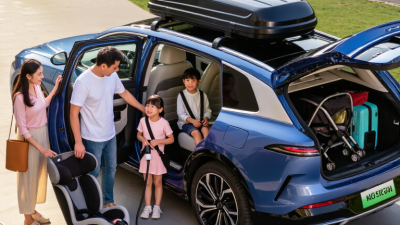
A genuine seven-seater EV needs three usable rows, not two seats added for marketing. Adults should fit in the rear without painful knee angles. A full cabin also needs room for bags, groceries, and child equipment. Larger batteries can support heavier bodies, but they increase weight, price, and charging time. Cold weather may reduce driving range further. This detail is often overlooked. A claimed range is not a guaranteed journey.
Tips:
Test all three rows in person. Check rear-seat access, luggage space, charging speed, and home electricity capacity. Compare winter range, warranty terms, and local service coverage. I would also measure your garage before ordering. It sounds obvious, but wide doors and long bodies create daily problems. Global data suggests strong momentum, but the best choice still depends on roads, climate, income, and charging access. A seven-seater EV can be excellent. It can also feel cramped when every seat is occupied.
Battery Size, Range and Charging Benchmarks: WLTP, EPA and IEA Data
Choosing the best seven-seater electric car in 2026 requires more than reading a range figure. Battery capacity should usually sit between 75 and 110 kWh for family-sized vehicles. Larger packs support heavier bodies, passengers, luggage, and winter heating. However, extra battery weight can reduce efficiency. The IEA’s Global EV Outlook reports that battery-electric cars achieved nearly 10 million global sales in 2023, while public charging infrastructure continued expanding rapidly. Growth is strong, but charging access remains uneven between regions.
Range figures need careful interpretation. WLTP testing is common in Europe and often produces higher results than EPA testing in North America. EPA values are generally more conservative, but neither test fully represents seven passengers, roof loads, cold weather, or motorway speeds. A practical buyer should compare usable range, not only advertised range. For a large vehicle, 350–500 kilometres of WLTP range may become roughly 250–400 kilometres in mixed real-world use. That estimate is imperfect. Weather changes everything. Charging performance also matters: a competitive model should support a reliable 10–80% session in about 25–40 minutes, depending on battery temperature and charger output. IEA data shows that global public fast-charging deployment is accelerating, yet rural coverage still needs checking.
Tips: Compare EPA and WLTP figures separately. Check luggage space behind the third row. Confirm whether the quoted battery size is usable. Test charging at 20% battery, not at an empty showroom display.
How to Compare Space, Safety and Towing: Euro NCAP and Industry Standards
Choosing a 2026 seven-seater electric car requires more than counting seats. A seven-seat label can mislead. Measure the cabin with real luggage onboard. Check knee room, headroom, and third-row access in daylight. A useful test places two adults in the rear seats. Their shoulders should not press against the doors.
Euro NCAP results offer valuable evidence, but they need careful reading. Check adult, child, vulnerable-road-user, and safety-assistance scores separately. A strong overall rating does not guarantee comfortable family use. Inspect child-seat compatibility, airbag coverage, seatbelt access, and door-opening space. Ratings can also change when equipment differs between regions. My checklist is not perfect, because testing cannot reproduce every crowded school-run situation.
Towing needs equal attention. Compare the certified braked and unbraked limits, nose-weight allowance, and approved coupling equipment. Do not rely on a dashboard estimate. A loaded trailer can reduce range sharply, especially in cold weather or strong headwinds. Industry standards vary, so confirm local registration, charging, and trailer requirements before purchase. Ask how the vehicle manages battery temperature on long climbs. That answer may matter more than a glossy acceleration figure. Seven seats, luggage, and a trailer create a heavy, demanding combination. Take a measured test drive. It may expose compromises that specifications hide.
2026 Global Shortlist: Model Capacity, Powertrain and Pricing Metrics
For 2026 global buyers, a seven-seat electric car should be judged by usable capacity, not seat count alone. A practical shortlist needs three rows, at least 180 litres behind the final row, and flexible second-row access. In real use, luggage space disappears quickly. A 70–100 kWh battery is becoming a sensible range for family travel. The IEA reported more than 17 million electric cars sold worldwide in 2024, showing that larger electric vehicles are entering a maturing market.
Powertrain comparison should include output, drive layout, charging speed, and winter efficiency. Dual-motor systems offer stronger traction, but they usually consume more energy. A target of 200–350 kW supports confident motorway merging. DC charging above 150 kW can reduce long stops, although charging curves matter more than peak figures. BloombergNEF’s 2025 battery research indicates continued cost reductions, but minerals, tariffs, and regional supply chains still create uneven pricing.
For a global 2026 shortlist, estimated transaction prices may span roughly 45,000–90,000 US dollars before local taxes. That range is imperfect. Exchange rates and incentives can change it quickly. S&P Global Mobility data consistently shows that ownership costs depend heavily on insurance, servicing, and residual value. Buyers should compare warranty length, battery coverage, home-charging access, and third-row comfort. A claimed 600-kilometre range may fall sharply with seven occupants, cold weather, or roof luggage. Test conditions remain a weak point.
Regional Buying Factors: Incentives, Charging Access and Ownership Costs
2026 Best 7 Seater Electric Cars for Global Buyers?
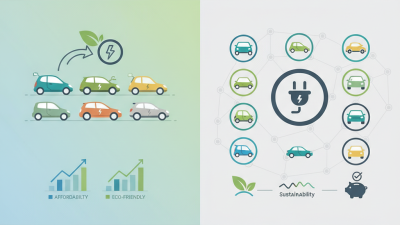
Regional buying factors can change the real price of a seven-seater electric car. Purchase incentives may include rebates, tax reductions, registration discounts, or reduced import duties. However, eligibility often depends on income, battery size, local assembly, or vehicle price. Check official government portals before calculating savings. Incentives can disappear during the ownership period.
Charging access matters more than brochure range. A suburban owner with private parking may charge overnight at a lower household tariff. An apartment resident may depend on crowded public chargers and higher peak prices. Rural buyers should examine charger spacing, winter performance, and roadside support. In hot or cold regions, climate control can reduce practical range. A seven-seater carrying luggage will use more energy, too. Numbers are never perfect.
Tips: Confirm home-charging permission, connector compatibility, and installation costs before ordering. Compare public charging rates at your usual destinations. Request insurance quotes, battery warranty terms, tire prices, and service intervals. Also estimate depreciation over five years. Large electric vehicles can have lower routine maintenance, but replacement tires and insurance may be expensive. Test the third row with adults, not children only. Measure the luggage space behind it. That small detail is often missed. Consider local electricity rules and apartment policies. A spreadsheet helps, though real traffic remains unpredictable.
The chart compares regional buying conditions for seven-seat electric vehicles using indicative 0–100 scores. Incentive support reflects purchase subsidies, tax benefits and registration policies; charging access reflects public charging availability and network coverage; ownership-cost advantage reflects electricity prices, taxation, maintenance and fuel savings. Higher scores indicate more favorable conditions for buyers.
Sources: International Energy Agency, European Alternative Fuels Observatory, U.S. Department of Energy Alternative Fuels Data Center, national transport and energy agencies. Regional scores are compiled planning indicators, not official rankings.