Why Choose a Plug In Hybrid SUV for Your Next Vehicle?
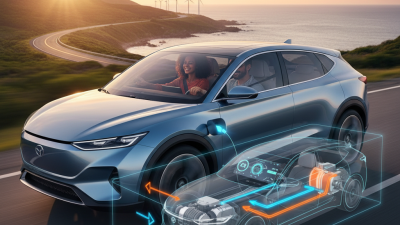
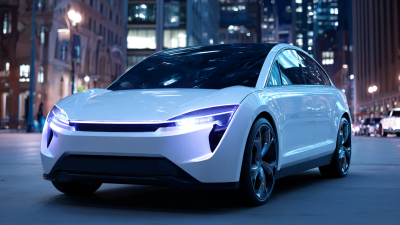
Choosing the right vehicle can be overwhelming. The automotive market offers numerous options, each boasting unique benefits. Among these, the Plug In Hybrid SUV stands out for its blend of power and efficiency. This type of vehicle combines a traditional gasoline engine with an electric motor, allowing for flexible driving options.
Drivers appreciate the eco-friendly aspect, as Plug In Hybrid SUVs can reduce emissions and fuel consumption. Moreover, they often come with advanced technology and safety features. Navigating city streets or highway drives becomes easier with this combination. However, some may find the upfront costs higher than traditional SUVs.
It’s important to weigh these factors carefully. A Plug In Hybrid SUV may not fit every lifestyle perfectly. Balancing convenience with environmental consciousness is crucial. As the market evolves, consideration of long-term advantages is vital. Choosing wisely now can lead to greater satisfaction in the years to come.
The Growing Popularity of Plug-In Hybrid SUVs in the Automotive Market
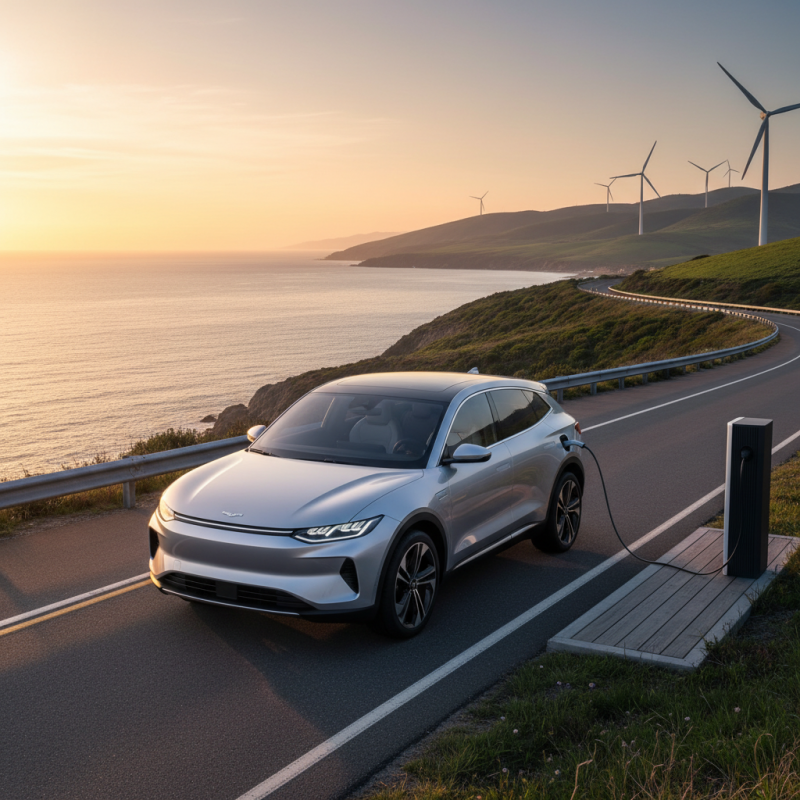
The popularity of Plug-In Hybrid SUVs is surging in the automotive market. A recent report from the International Energy Agency reveals that the sales of plug-in hybrid vehicles grew by 90% in 2021 alone. This growth indicates a strong consumer preference for eco-friendly options that offer flexibility in fuel usage. Many drivers appreciate that these vehicles combine an electric battery with a gasoline engine, allowing longer trips without the anxiety of running out of charge.
Choosing a Plug-In Hybrid SUV can enhance your driving experience. With an electric-only range of around 20 to 40 miles, daily commutes can be completed without using gasoline. However, the transition to hybrid vehicles isn't without challenges. Drivers must consider charging station availability and battery maintenance. While these vehicles produce fewer emissions, their battery production can have environmental impacts. It’s essential to weigh both benefits and drawbacks.
Tips: Regularly assess your driving habits to maximize the benefits of a plug-in hybrid SUV. Use the electric mode for short trips and save gasoline for longer journeys. Always check local charging infrastructure to ensure easy access to charging stations. Investing in an energy management system can help monitor battery health and efficiency.
Environmental Benefits of Choosing Plug-In Hybrid SUVs Over Traditional Vehicles
Choosing a plug-in hybrid SUV can be a significant step for the environment. These vehicles combine a traditional gasoline engine with an electric motor. This dual power system helps reduce carbon emissions. In many cases, plug-in hybrids emit less than half of what traditional cars produce.
Using a plug-in hybrid means fewer fossil fuels are burned. Many drivers can complete daily commutes on electric power alone. This results in decreased reliance on oil and lower fuel costs. However, charging access can be a challenge for some owners, limiting the full environmental benefits. It requires careful planning to charge regularly.
Plug-in hybrid SUVs also feature regenerative braking systems. These systems capture energy that is normally wasted during braking. Yet, while these vehicles are cleaner, they are not entirely free from environmental impacts. The production of batteries still has environmental costs. Consumers should weigh these factors when considering their options.
Fuel Efficiency Comparisons: Plug-In Hybrid SUVs vs. Conventional SUVs
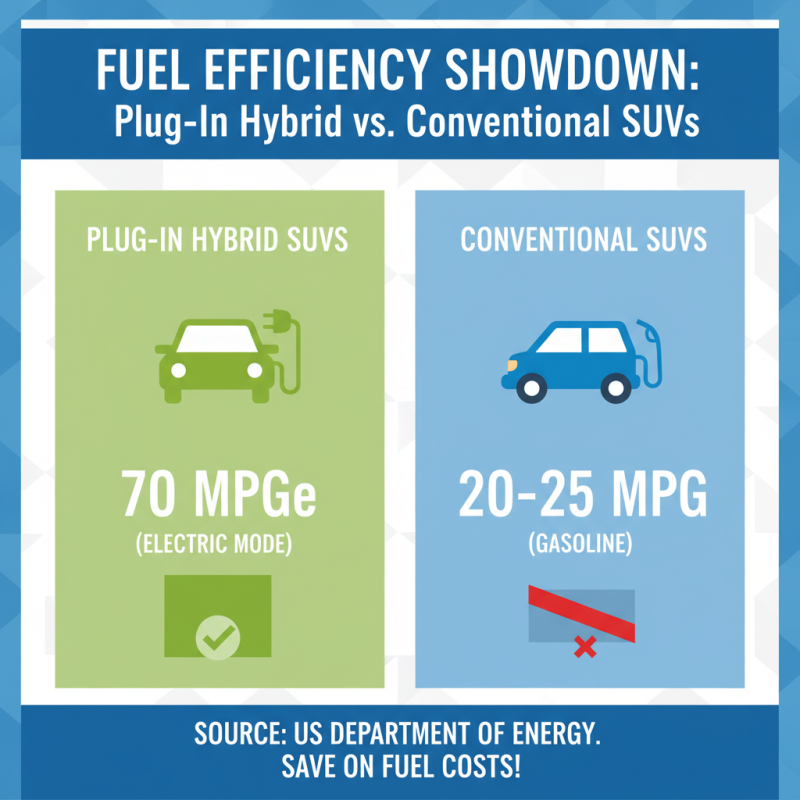
When considering fuel efficiency, plug-in hybrid SUVs offer impressive advantages over conventional SUVs. According to the U.S. Department of Energy, plug-in hybrids can achieve 70 MPGe (miles per gallon equivalent) when operating in electric mode. In contrast, many traditional SUVs average around 20-25 MPG, depending on engine size and design. This significant difference highlights the potential for savings on fuel costs, especially for those with short daily commutes.
Understanding the charging options is crucial. Home charging units can optimize electric range and efficiency. In urban settings, charging stations are increasing, making it easier to maintain a hybrid vehicle's electric capabilities. However, the reliance on charging infrastructure can lead to challenges. Range anxiety can deter some potential buyers, as not all areas offer ample charging options.
Tips: Regularly monitor your driving habits. Adjust your routes and charging schedule for maximum efficiency. Consider installing a home charging station to reduce dependency on public chargers. Lastly, think about climate and terrain. Driving patterns in hilly regions or extreme temperatures may affect overall fuel efficiency. This ensures you're making the most informed choice for your next vehicle.
Government Incentives and Tax Credits for Plug-In Hybrid Vehicle Buyers
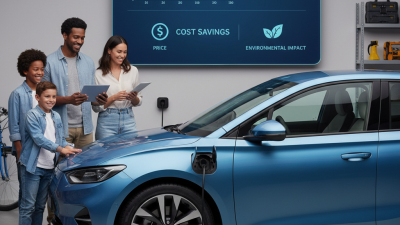
Many buyers overlook government incentives when considering a plug-in hybrid SUV. These savings can significantly reduce the overall cost. Tax credits often range from $500 to $5000. Some states also offer additional rebates. These incentives help make eco-friendly vehicles more accessible.
Potential buyers should research eligibility for these programs. Requirements can vary by location and vehicle model. Not all plug-in hybrids qualify for the same incentives. Understanding these specifics is essential for maximizing benefits. It can be frustrating if expectations don’t align with reality.
Navigating government policies may seem daunting. However, this knowledge empowers consumers. Financial incentives can make that purchase decision easier. As eco-consciousness grows, so does the importance of taking advantage of these benefits. The process can be lengthy, but the potential savings are worthwhile.
Technological Innovations Making Plug-In Hybrid SUVs More Accessible and Efficient
The rise of plug-in hybrid SUVs is reshaping the automotive landscape. Recent industry reports indicate that the global plug-in hybrid electric vehicle (PHEV) market is projected to grow at a CAGR of 25% through 2028. This growth is largely driven by technological innovations that enhance accessibility and efficiency.
Innovative battery technology has significantly improved the performance of plug-in hybrids. Advanced lithium-ion batteries now offer longer electric ranges, often exceeding 30 miles on a single charge. This distance is enough for most daily commutes, allowing drivers to rely on electric power for short trips. Additionally, many new models integrate regenerative braking systems that recover energy, making them more efficient. However, these features can also add complexity, potentially making maintenance more challenging.
Tips: Consider your daily driving habits. A plug-in hybrid may be ideal if you frequently travel short distances. Also, assess available charging infrastructure in your area. Access to charging ports can impact your driving experience and convenience.
Ultimately, while these vehicles provide environmental benefits and potential cost savings, they are not without their challenges. The reliance on technology means that issues can arise, such as battery degradation over time. Understanding these factors is crucial for making an informed decision.
Why Choose a Plug-In Hybrid SUV for Your Next Vehicle?
| Feature |
Benefit |
Efficiency Rating |
| Electric Range |
Increased urban mobility with zero emissions |
50 miles |
| Fuel Economy |
Lower cost of ownership |
97 MPGe |
| Charging Time |
Convenient home charging options |
4 hours (Level 2) |
| Cargo Space |
Versatile and roomy for families |
30 cubic feet |
| Government Incentives |
Potential tax credits and rebates |
Up to $7,500 |