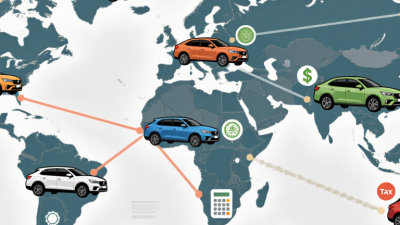
Why Are Car Deals So Cheap Worldwide? The answer is less simple than many headlines suggest. Car Deals often appear unusually low because manufacturers, dealers, and governments influence the final price in different ways. A dealership may reduce last year’s model to clear space for new inventory. A manufacturer may provide a lawful rebate after production exceeds demand. Buyers may also see lower monthly payments through longer financing terms, although the total cost can remain higher.
Location changes everything. A vehicle priced attractively in one country may carry import duties, value-added tax, registration fees, or delivery charges elsewhere. Currency movements can make a familiar model look suddenly cheaper to international shoppers. Electric vehicles may receive local incentives, but these programs differ widely and can change without much warning. Fleet purchases and regional competition may create discounts that ordinary buyers cannot access. The showroom price is rarely the complete story.
Look beyond the window sticker.
Reliable comparisons require the same model, equipment, warranty, and payment terms. Check the out-the-door price, annual percentage rate, insurance costs, and maintenance estimates. Official manufacturer websites and established automotive research organizations provide stronger evidence than social media advertisements. My own caution is simple: a “cheap” deal may reflect missing options, aging inventory, or conditions hidden in small print. Even careful analysis can miss local fees. Car Deals are real, but they are not universal bargains. The best value depends on timing, location, vehicle condition, and the buyer’s long-term costs.
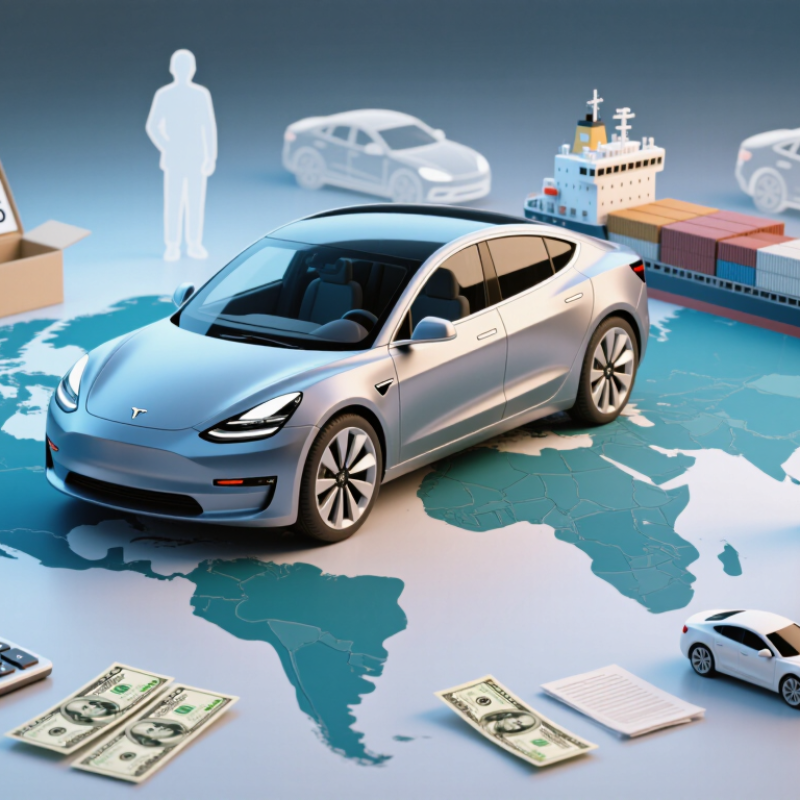
Why Are Car Deals So Cheap Worldwide?
Global Factors That Make Car Prices Appear Lower
A car can look surprisingly cheap when viewed from another country. Exchange rates often create this impression. A stronger local currency may reduce the displayed price overnight. However, the buyer still faces shipping fees, import duties, registration charges, and local taxes. The advertised number is rarely the final cost.
Taxes explain many differences. Some governments reduce purchase taxes for efficient vehicles or electric models. Others offer temporary rebates to support local manufacturing and cleaner transport. Dealers may also discount older inventory before new model-year vehicles arrive. Financing promotions can make monthly payments appear manageable, although the total repayment may be higher. It looks cheaper.
Vehicle specifications also vary by region. A low-priced version may have a smaller engine, fewer safety features, or simpler interior materials. Safety rules, road conditions, and fuel standards influence these choices. Even basic equipment can carry different costs across markets. Comparing two prices without matching specifications is unreliable.
I have found that online listings often hide important details. Some exclude delivery, preparation, documentation, or mandatory insurance costs. Currency movements can make a deal seem excellent for one buyer and ordinary for another. My earlier comparisons focused too heavily on the headline price. A better review checks the final invoice, warranty coverage, service access, and resale conditions. Local competition matters too, but its effect differs between cities and supply levels.
Why Are Car Deals So Cheap Worldwide?
How Competition Shapes Worldwide Car Deal Pricing
Car deals look unusually cheap when manufacturers compete for the same buyers. This pressure is strongest in crowded markets. According to the International Energy Agency’s Global EV Outlook 2024, electric car sales approached 14 million worldwide in 2023. Electric models represented about 18% of new-car sales. More supply created sharper discounts, especially where several manufacturers offered similar vehicles.
Competition also changes dealer behavior. Dealers may reduce prices to clear aging inventory, meet monthly targets, or protect market share. JATO Dynamics reports that new-car prices differ substantially between countries because of taxes, equipment, currency values, and local demand. A low advertised price may exclude financing costs, registration fees, or delivery charges. That detail is easy to miss. I have seen buyers compare headline prices while ignoring the final invoice.
Tips: Compare the total drive-away cost, not the banner discount. Check warranty length, service pricing, interest rates, and included equipment. Use at least three written offers. Read the exclusions carefully. A cheaper car is not always cheaper ownership.
The OECD’s Consumer Price Insights work shows how inflation affects household purchasing power differently across economies. Therefore, a “cheap” deal depends on income, credit access, and fuel expenses. Competition can benefit shoppers, but it is not perfectly fair. Some markets receive fewer models, while others gain aggressive promotions. Prices may fall today, then rise after inventory disappears.
A car can look unusually cheap when tax policy does most of the price cutting. Import duties, value-added tax, registration charges, and annual ownership taxes vary sharply between countries. Some governments reduce these costs for lower-emission vehicles. Others offer purchase rebates or income-tax credits.
The International Energy Agency reported nearly 14 million electric-car sales worldwide in 2023. They represented about 18% of global new-car sales. Policy support helped accelerate this shift, especially through purchase incentives and charging investment. However, incentives are not always permanent. A rebate may disappear after a budget change, leaving buyers with a very different final price.
Tax structures also affect conventional vehicles. A high engine-capacity tax can make a large petrol car expensive, even when its showroom price seems attractive. Import tariffs may create the opposite effect for locally assembled vehicles. These differences explain why the same vehicle category can cost far less in one market. The comparison is imperfect, though. Insurance, financing, maintenance, and electricity prices can quietly reverse the apparent saving.
Tips: Compare the final, tax-inclusive price, not the advertised figure. Check eligibility rules, income limits, registration deadlines, and incentive expiry dates. The IEA Global EV Outlook 2024 and ACEA Tax Guide 2024 provide useful market context, but local tax authorities remain the most reliable source.
A low car price often begins with currency, not a generous dealer. When a local currency weakens, imported vehicles, parts, and electronic systems become more expensive. Yet exporters may cut prices in that market to protect sales volume. The IMF’s World Economic Outlook shows how exchange-rate movements can alter import costs quickly, even when factory prices stay unchanged.
Currency moves quickly. A price that looks cheap in one country may simply reflect weaker purchasing power.
Labor costs create another gap. The International Labour Organization reports major differences in wages and productivity across manufacturing economies. A plant with efficient robotics, nearby suppliers, and high production volume can spread fixed costs across thousands of vehicles.
Production scale matters. Lower wages alone do not guarantee lower prices, because shipping, energy, training, and quality control can erase the advantage.
The World Bank’s Commodity Markets Outlook also highlights how steel, aluminum, and energy prices influence manufacturing expenses.
Technology is changing this equation. The International Energy Agency reported that average battery pack prices fell 14% in 2023, reducing pressure on electric vehicle production costs. However, savings do not reach every buyer equally. Taxes, import duties, financing rates, safety rules, and distribution margins can absorb them.
The sticker price misleads.
From practical market comparisons, I find that factory location often matters less than the full supply chain. Still, analysts should question broad “cheap car” claims, because local incomes and ownership costs may tell a different story.
A car deal can look remarkably cheap because the advertised price is rarely the final price. In my experience comparing offers, the headline figure often excludes taxes, registration, delivery, and administrative charges. Financing can also change the total sharply. A low monthly payment may hide a long contract, a large deposit, or a higher interest rate. The car is cheap. The agreement may not be.
Conditions matter just as much. Some offers require approved financing, a trade-in, limited mileage, or a short purchase period. Optional equipment may be presented as essential, adding hundreds to the invoice. Service plans and insurance packages can also appear automatically. These practices are not always improper, but they must be clearly explained. Rules differ between countries, so buyers should check official consumer guidance and request a complete written price. I once focused too much on the discount and missed a delivery charge. That mistake was avoidable.
Tips: Ask for the final drive-away price. Compare the total repayment, not only the monthly amount. Read every fee and cancellation condition. Confirm mileage limits, warranty coverage, and refund terms. Take time to inspect the vehicle and contract. A second opinion helps. Even experienced buyers can overlook small charges.
A low advertised price may show only the pre-tax vehicle cost. This comparison starts with a hypothetical $30,000 pre-tax price and adds each market's standard national consumption tax. Registration, delivery, documentation fees, optional equipment, insurance, and interest on financing may increase the final amount. Local and provincial taxes can also differ from the national rates shown.
Tax-rate basis: standard national VAT/GST or consumption-tax rates reported by national tax authorities and international tax comparisons. Canada shows the federal GST only; additional provincial taxes may apply.