How to Source Electric Vehicles at the 2026 Canton Fair?
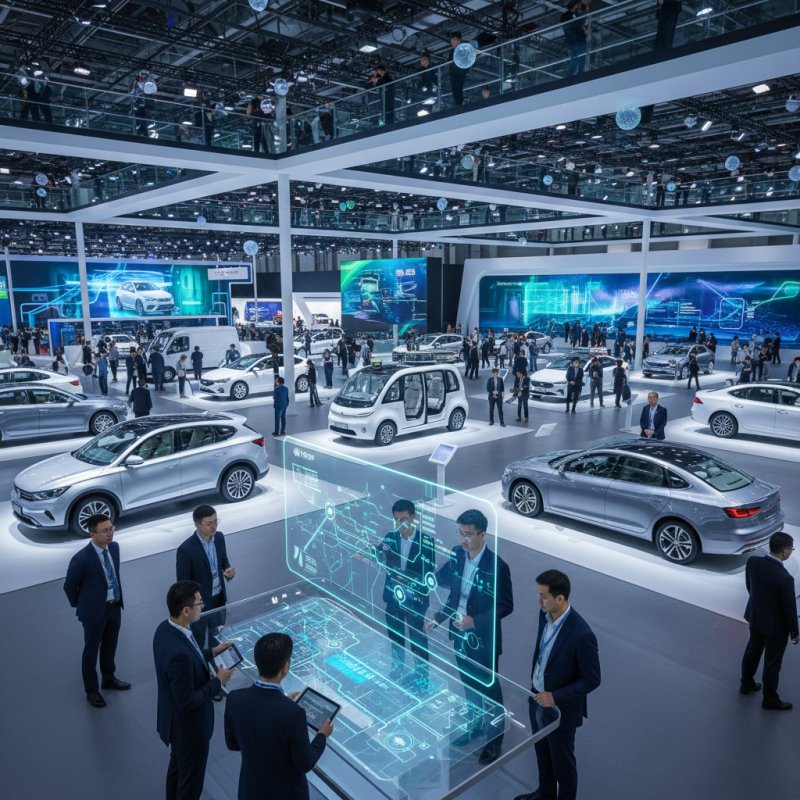
The 2026 Canton Fair provides a prime opportunity for sourcing Electric Vehicles. Held from April 15 to May 5, it features advanced manufacturing and electronic products. This year's fair offers advanced AI tools, aiding buyers in finding qualified suppliers quickly. With AI-powered search, you can filter suppliers based on certifications like ISO and CE.
Navigating the expansive 1.55 million square meters of the venue has never been easier. The smart navigation feature helps optimize your route, saving time and energy. However, there remains a challenge in understanding the quality and reliability of new suppliers.
As you explore the Electric Vehicle sector, be vigilant. Not every supplier meets the high standards customers expect. Look for detailed information and verify credentials. The fair is a chance to connect with trustworthy manufacturers, but it requires due diligence to avoid potential pitfalls.
Understanding the Evolution of Electric Vehicles by 2026
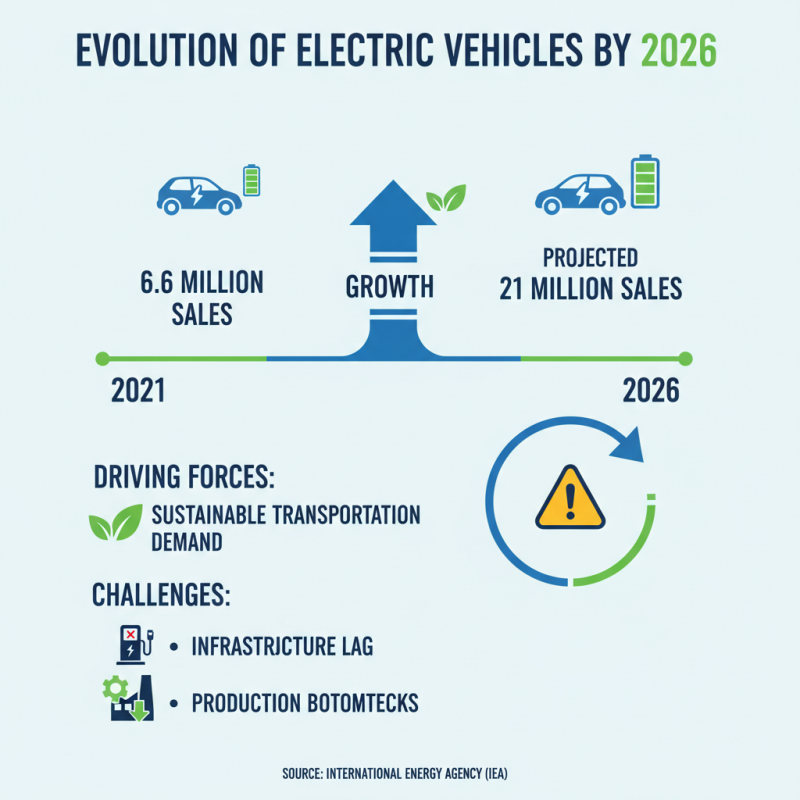
The landscape of electric vehicles (EVs) will undergo significant changes by 2026. According to a report by the International Energy Agency (IEA), global EV sales are projected to reach 21 million units annually by 2026. This marks an increase from just over 6.6 million in 2021. The demand for sustainable transportation is driving this growth. However, challenges remain. Infrastructure development often lags behind vehicle production, leading to potential bottlenecks.
Battery technology is evolving rapidly. Solid-state batteries are expected to dominate the market by 2026, improving safety and range. Research shows that these batteries could provide up to 500 miles per charge. Yet, production costs remain high. Many manufacturers are still exploring viable options to lower expenses while maintaining quality.
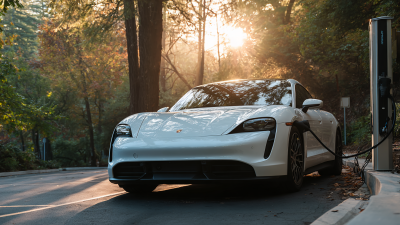
Consumer interest is also a vital factor. A survey indicated that 70% of potential buyers are concerned about charging availability. This concern could affect market momentum. Manufacturers and suppliers must address these anxieties. Collaboration with governments and energy companies is crucial to create robust charging networks. This involves more than just deploying charging stations; it requires building trust and a shared vision for the future.
Identifying Key Manufacturers and Exhibitors at the Canton Fair
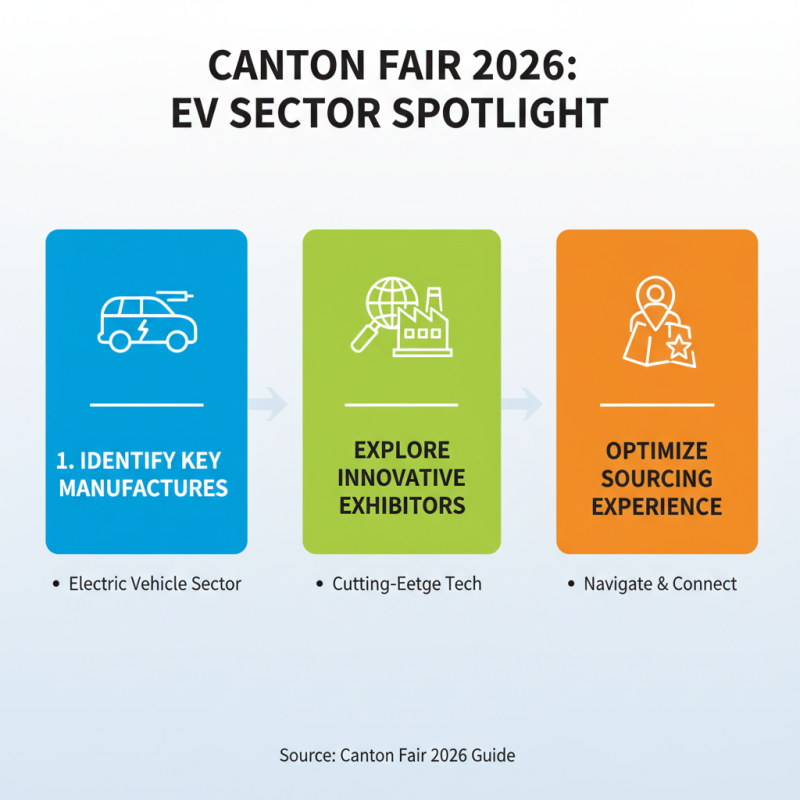
When attending the Canton Fair in 2026, it's crucial to identify key manufacturers and exhibitors in the electric vehicle sector. The fair attracts numerous companies showcasing innovative technologies. Understanding the layout and identifying top exhibitors can greatly enhance your sourcing experience.
Tips: Prioritize the exhibitor list. Look for companies specializing in electric vehicle components, batteries, and charging solutions. Utilize the fair's app for real-time updates on manufacturer locations. Participating in workshops can also provide insights into emerging trends.
As you navigate the fair, consider asking questions that delve into production capabilities. Some manufacturers may not fully disclose their limitations right away. Keep a list of potential partners in mind, but be flexible in your approach to negotiations. The environment is dynamic, and adapting quickly is critical.
Networking plays a key role too. Engage with other buyers and industry experts to gain insights. Some exhibitors may highlight their best technologies during informal interactions. Don't hesitate to express your needs and expectations clearly. This will foster meaningful discussions and potential collaborations.
Strategies for Effective Networking and Building Supplier Relationships
The 2026 Canton Fair presents an exceptional opportunity for sourcing electric vehicles. Effective networking is crucial. Establish connections prior to the event to maximize your time. Utilize social media platforms and industry forums to identify potential suppliers. According to a 2022 market research report, the global electric vehicle market is expected to grow by over 22% annually, highlighting the demand for strong relationships in this field.
When attending the fair, approach with a clear strategy. Plan which suppliers to meet and set specific goals for each interaction. Meet suppliers face-to-face to build rapport. Utilize tools like business cards and follow-up emails to strengthen those connections. A recent study revealed that 70% of successful partnerships are built through consistent communication. Reflect on your networking approach. Are you listening actively, or just promoting your needs?
Building a supplier relationship takes time. Not every interaction will yield immediate results. Sometimes, expectations don't align. Acknowledging these realities can lead to improvements, fostering more productive discussions in the future. Staying adaptable is key. The dynamics of the electric vehicle sector are changing rapidly, so agility in partnerships can offer a competitive edge.
Navigating Logistics and Procurement for Electric Vehicles
Sourcing electric vehicles at the 2026 Canton Fair requires careful procurement planning. The electric vehicle market is growing rapidly. According to a report by the International Energy Agency (IEA), the number of electric vehicles on the road surpassed 10 million in 2020. Logistics play a crucial role in ensuring the supply chain runs smoothly.
Importantly, understanding shipping routes and customs regulations is vital. The World Bank highlighted that logistics costs can account for about 15-20% of vehicle pricing, especially in cross-border transactions. It’s vital to research transportation options thoroughly. Air freight is quick but expensive, while sea freight is more economical but can be slow. If delays occur, they could hinder operations.
Consideration should also be given to local regulations and incentives for electric vehicles. These vary by region and can impact demand. A miscalculation here might lead to excess inventory. The balance between cost efficiency and compliance is delicate. Future trends suggest that consumers will prioritize sustainable practices. Therefore, understanding these dynamics is necessary for successful sourcing at the Canton Fair.
Evaluating Quality Standards and Compliance for Imported Electric Vehicles
Sourcing electric vehicles at the 2026 Canton Fair requires careful evaluation of quality standards and compliance. Understanding regulations is crucial. Different countries have varied requirements for electric vehicles. Be prepared to ask the right questions and review documentation.
Tips: Always check for certifications. Look for compliance with safety standards. Without proper certification, the vehicle may not meet necessary requirements.
Quality should not be overlooked. Examine the materials used and the manufacturing processes. High-quality components lead to better performance and safety. Consider taking samples for testing.
Again, document all findings. Make notes on each vehicle's specs. This can help in making informed decisions later. Keep an eye out for potential red flags. Sometimes, it could be easy to overlook minor issues that later become significant problems.
How to Source Electric Vehicles at the 2026 Canton Fair? - Evaluating Quality Standards and Compliance for Imported Electric Vehicles
| Criteria |
Standard/Regulation |
Compliance Check |
Quality Assessment |
| Battery Performance |
ISO 12405 |
Undergo charge/discharge cycle tests |
Capacity retention, thermal stability |
| Safety Standards |
UN 38.3, IEC 62133 |
Safety test certifications |
Short circuit, overcharge tests |
| Emissions |
EU Regulations |
Emissions testing during operation |
Zero-emissions certification |
| Electrical System |
ISO 26262 |
Software validation and hardware check |
System redundancy assessment |
| Charging Standards |
IEC 61851 |
Charging protocol compliance testing |
Charge time efficiency |