Top Benefits of Self Charging Hybrid Cars You Need to Know
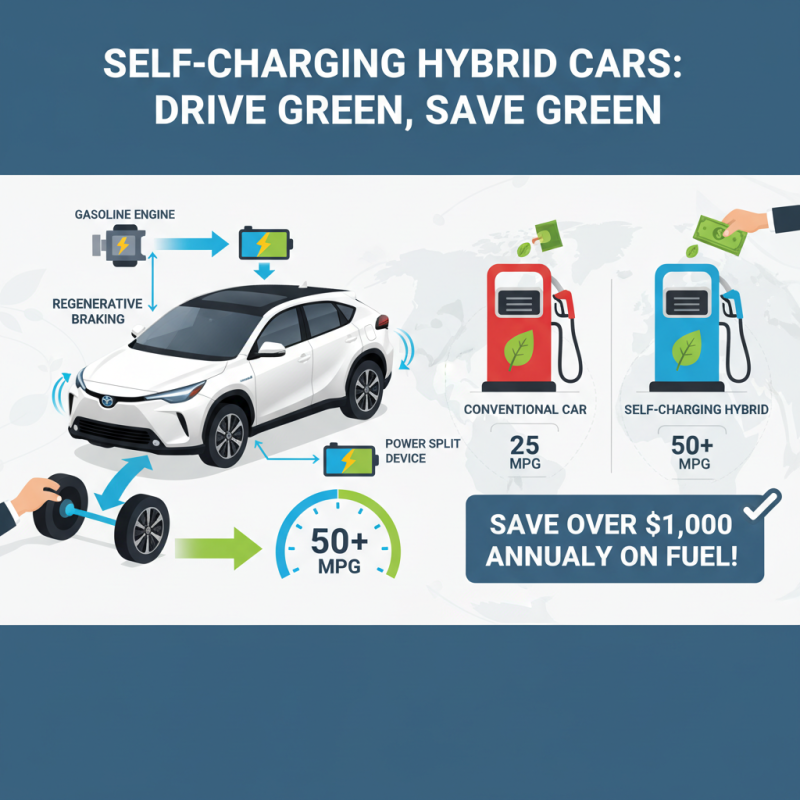
Self Charging Hybrid Cars have become increasingly popular as consumers seek more efficient and environmentally friendly transportation options. These innovative vehicles combine the benefits of traditional gasoline engines with electric power, allowing for a seamless driving experience that minimizes fuel consumption and reduces emissions. Unlike standard hybrids, self charging models do not require external charging, drawing energy from their regenerative braking systems and the gasoline engine, which adds an extra layer of convenience for drivers.
The top benefits of self charging hybrid cars are diverse and compelling. Firstly, they offer exceptional fuel efficiency, allowing drivers to maximize their mileage without frequent stops at the gas station. Additionally, they contribute to a significant reduction in carbon footprints, aligning with the global push toward sustainability. Furthermore, self charging hybrid cars provide the flexibility of long-range travel without the anxiety associated with electric vehicles’ charging stations. As the automotive landscape continues to evolve, understanding these benefits becomes essential for those looking to make informed decisions about their next vehicle purchase.
Key Advantages of Self Charging Hybrid Cars
Self-charging hybrid cars present a variety of key advantages that make them appealing to today's eco-conscious drivers. One of the most significant benefits is their ability to operate efficiently in different driving conditions. Unlike traditional vehicles that rely solely on gasoline, self-charging hybrids can seamlessly switch between electric and gasoline power. This versatility not only reduces fuel consumption but also enables drivers to enjoy a smoother ride, especially in urban environments where stop-and-go driving is common.
Another advantage is their reduced carbon footprint. Since self-charging hybrids utilize electric power for a portion of their driving needs, they emit fewer greenhouse gases compared to conventional combustion engine vehicles. This aspect is particularly vital as more individuals seek ways to contribute positively to the environment. Additionally, many self-charging hybrids come equipped with regenerative braking systems, which help harness energy that would otherwise be lost during braking, further enhancing energy efficiency and extending overall vehicle range.
Moreover, self-charging hybrids often come with fewer maintenance requirements. The electric component of these vehicles places less strain on the engine, leading to reduced wear and tear over time. This not only saves drivers money in the long run but also contributes to a hassle-free ownership experience. By combining the benefits of electric and gasoline power, self-charging hybrid cars represent a forward-thinking solution for modern transportation needs.
Top Benefits of Self Charging Hybrid Cars You Need to Know
| Benefit |
Description |
Environmental Impact |
| Improved Fuel Efficiency |
Self charging hybrids utilize both electric and gasoline power sources, leading to better mileage and reduced fuel costs. |
Lower carbon emissions compared to traditional vehicles. |
| Regenerative Braking |
This technology captures energy during braking and converts it back into electric power for the battery. |
Reduces energy wastage and improves overall efficiency. |
| Lower Maintenance Costs |
Hybrid vehicles often require less frequent servicing compared to conventional cars, as they have fewer moving parts. |
Less resource-intensive repairs contribute to lower environmental footprints. |
| Tax Incentives |
Depending on the region, buyers may qualify for tax rebates and incentives, making hybrids more affordable. |
Encourages transition to eco-friendly vehicles, positively impacting the environment. |
| Quiet Operation |
Electric mode operation is significantly quieter than conventional engines, improving driving experience. |
Reduced noise pollution in urban environments. |
Environmental Impact and Reduced Emissions
Self-charging hybrid cars present a sustainable solution to modern transportation challenges, significantly impacting the environment and contributing to reduced emissions. Unlike traditional vehicles that heavily rely on fossil fuels, these hybrids utilize both an internal combustion engine and an electric motor, allowing them to harness energy generated during driving, particularly through regenerative braking. This process not only enhances fuel efficiency but also diminishes overall greenhouse gas emissions, effectively reducing the carbon footprint associated with daily commuting.
Moreover, self-charging hybrids contribute to cleaner air quality. By minimizing the reliance on gasoline and traditional fuels, these vehicles emit fewer pollutants, such as nitrogen oxides and particulate matter, which are often responsible for health-related issues in urban areas. The shift towards self-charging hybrid technology aligns with global efforts to combat climate change, as they play a crucial role in reducing dependency on non-renewable energy sources. Through their innovative design, these vehicles not only provide drivers with the convenience of extended range and lower fuel costs but also promote a more sustainable lifestyle that benefits both the planet and public health.
Top Benefits of Self Charging Hybrid Cars
This chart illustrates the key benefits of self-charging hybrid cars, emphasizing how a significant percentage of users recognize advantages such as reduced fuel consumption, lower emissions, sustainability, cost savings, and enhanced performance.
Cost Efficiency and Fuel Savings Over Time
Self-charging hybrid cars offer significant cost efficiency and fuel savings, making them an increasingly popular choice among environmentally conscious consumers. According to a report by the International Council on Clean Transportation (ICCT), hybrid electric vehicles (HEVs) can achieve fuel economy ratings of approximately 50 miles per gallon or more, compared to 25 mpg for conventional gasoline vehicles. This impressive efficiency can result in substantial savings at the pump, especially given that the U.S. Energy Information Administration reports that the average American drives about 13,500 miles per year. With these numbers, a self-charging hybrid could save drivers over $1,000 annually on fuel costs, depending on fluctuating gasoline prices.
Moreover, self-charging hybrid cars also provide long-term financial benefits by minimizing maintenance costs. According to a study from the Department of Energy, hybrids typically suffer from lower wear and tear on their engines due to their dual power system, which leads to reduced maintenance needs. The same study found that hybrid owners experience maintenance costs that are approximately 30% lower than those of traditional vehicle owners over a span of ownership. Given these factors, self-charging hybrids present a compelling case for consumers looking to balance environmental benefits with financial savings over time.
Convenience of Maintenance and Charging
Self-charging hybrid cars are becoming increasingly popular, offering a blend of convenience and efficiency that appeals to many drivers. One notable advantage is the minimal maintenance required compared to traditional vehicles. According to a report by the Electric Vehicle Association, maintenance costs for hybrid vehicles are typically 20-50% lower than those of conventional gasoline cars. This is largely due to the reduced wear on the engine and brakes, as hybrids utilize regenerative braking systems and can operate on electric power alone at lower speeds.
Furthermore, charging these vehicles is often more straightforward than many anticipate. While plug-in hybrids require external charging, self-charging hybrids benefit from their regenerative systems, which capture kinetic energy during braking to recharge the battery. In the U.S., the Department of Energy states that around 70% of charging for hybrid vehicles occurs through this regenerative mechanism, alleviating the need for regular plug-in charging. With the convenience of not having to find charging stations frequently, self-charging hybrids maximally leverage everyday driving conditions, making them an excellent choice for individuals seeking a low-maintenance, efficient solution to their transportation needs.
Driving Experience and Performance Benefits
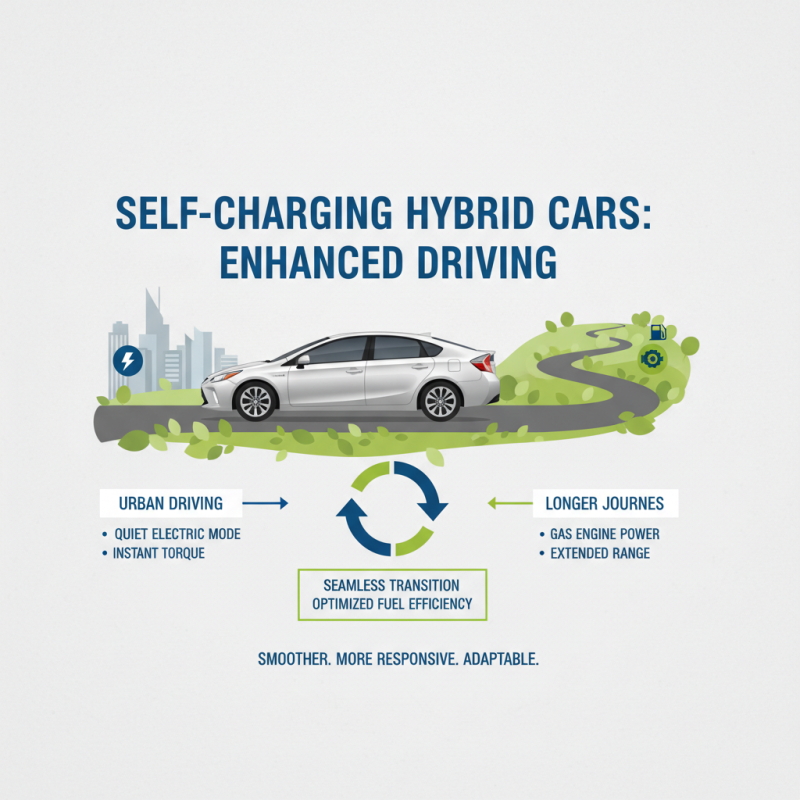
Self-charging hybrid cars offer an exceptional driving experience that combines the best aspects of traditional gasoline engines with electric power. One of the most notable performance benefits of these vehicles is their ability to seamlessly switch between the internal combustion engine and electric motor. This hybrid synergy not only enhances acceleration but also optimizes fuel efficiency, leading to a smoother and more responsive driving experience. Drivers can enjoy the tranquility of electric driving in urban settings, while the gas engine kicks in during longer journeys, providing both power and adaptability.
Additionally, self-charging hybrids are designed with advanced regenerative braking technology, which captures kinetic energy during deceleration and converts it back into usable electrical energy. This innovative system contributes to sustained power without the need for an external charging source, allowing drivers to enjoy longer distances without worrying about battery levels. The result is a more engaging and dynamic driving experience that empowers drivers with seamless transitions and enhanced control. Furthermore, improved torque delivery from electric motors can make daily driving tasks, like merging onto highways or navigating through city traffic, much more efficient and pleasurable.