What is a Plug In Hybrid SUV and How Does it Function?
The automotive industry is witnessing a significant shift towards sustainable energy solutions. Plug In Hybrid SUVs are at the forefront of this transformation. According to a report by BloombergNEF, the global plug-in hybrid market is expected to reach 6 million units by 2025. This growth demonstrates a strong consumer interest in vehicles that balance performance with environmental responsibility.
Thomas Peters, an industry expert, stated, "Plug In Hybrid SUVs offer the flexibility of electric power without sacrificing the convenience of gasoline." This statement underscores the unique appeal of these vehicles. They can be charged at home or on the go, providing drivers with options that align with their lifestyles. However, while these SUVs boast benefits, they also present challenges. The complexity of their technology can be confusing for consumers. Additionally, the environmental benefits can be undermined by how the vehicle is used.
The Plug In Hybrid SUV market is flourishing, but it is essential to evaluate its long-term sustainability. As the industry evolves, keeping a balance between innovation and practicality remains a challenge. Understanding how these vehicles function and their real-world implications is crucial for informed decisions.
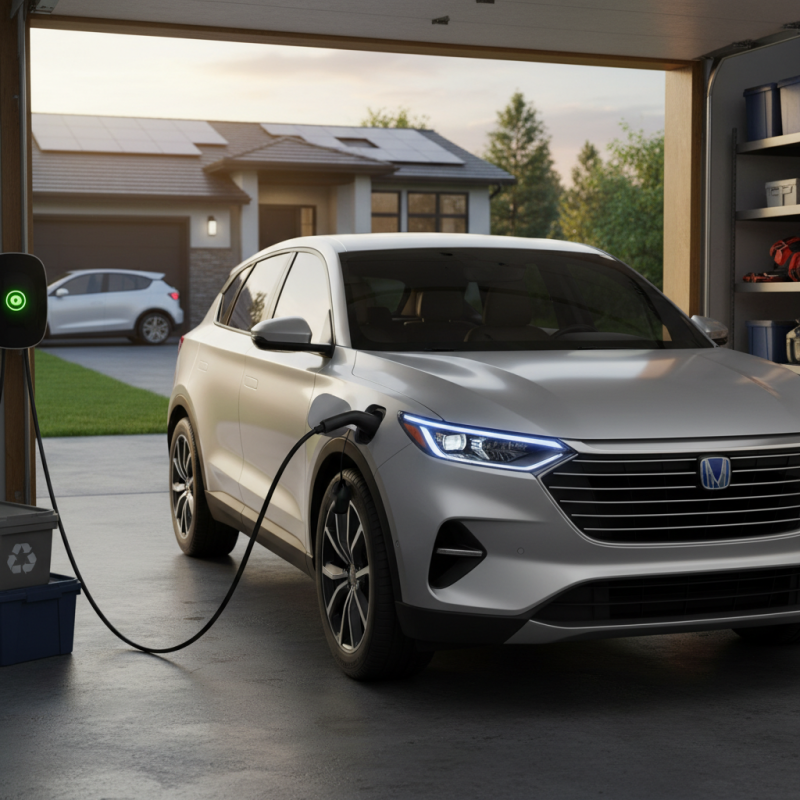
What is a Plug-In Hybrid SUV?
A plug-in hybrid SUV combines electric and gasoline power. This type of vehicle runs on an electric battery for short trips and switches to gasoline for longer journeys. It offers versatility and better fuel economy compared to traditional SUVs. Drivers can often travel a certain distance solely on electric power, which reduces emissions.
One tip for prospective buyers is to assess your driving habits. If you mainly drive short distances, a plug-in hybrid SUV might meet your needs perfectly. However, do consider the charging options available in your area. Living in a place without easy access to charging could limit the benefits.
Another detail to think about is the battery's lifespan. Over time, battery performance may decline. It’s essential to check the warranty and replacement costs. Sometimes, the reliance on gasoline might not feel as attractive. This can lead to unexpected behaviors concerning fuel usage. Balancing electric and gasoline use can be tricky but vital for optimizing efficiency.
Key Components of Plug-In Hybrid SUVs
Plug-in hybrid SUVs combine gas and electric power. This blend allows for better fuel efficiency. They are designed with several key components that enhance their functionality. One of the most important parts is the battery pack. This battery stores energy for electric driving. It can often power the SUV for short distances without using gasoline.
Another crucial component is the internal combustion engine. This engine kicks in when the battery runs low. It also works alongside the electric motor. Together, they can provide excellent performance. The transmission system in a plug-in hybrid SUV is pretty advanced. It seamlessly shifts between electric and gas power, optimizing fuel use.
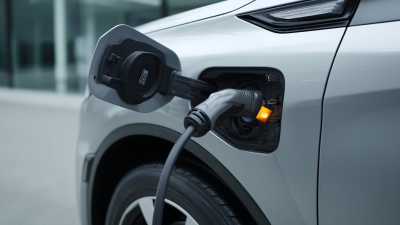
Charging ports are also vital. They allow drivers to recharge the battery at home or public stations. While these features sound impressive, challenges remain. Charging infrastructure may not be widespread in all areas. Additionally, the battery may degrade over time, impacting performance. These aspects require further consideration when choosing a plug-in hybrid SUV.
How Plug-In Hybrid SUVs Operate
Plug-in hybrid SUVs combine a traditional internal combustion engine with an electric motor. This unique setup allows them to run on electricity alone for short distances. Drivers can charge the battery through a home outlet or charging station. When the battery depletes, the gasoline engine kicks in. This dual-functioning system provides flexibility for various driving needs.
Under the hood, plug-in hybrids utilize regenerative braking. This process converts kinetic energy back into electricity when slowing down. However, it doesn’t always capture enough energy for long journeys. Some drivers may forget to charge the vehicle, leading to reliance on gasoline. Another point to consider is weight. These SUVs are heavier due to the battery, which can affect handling and fuel efficiency.
Moreover, the transition between electric and gas power can be abrupt. It might take some getting used to for new drivers. Many users appreciate the reduced emissions but struggle with charging infrastructure. In urban settings, charging stations may not be readily available. This can create a dilemma for drivers reliant on electric power for daily commuting.
Electric Range vs. Fuel Efficiency of Plug-In Hybrid SUVs
This chart compares the electric range and fuel efficiency of various Plug-In Hybrid SUVs. The electric range is measured in miles, while fuel efficiency is expressed in miles per gallon (MPG). Models are compared to provide an overview of their performance.
Advantages of Driving a Plug-In Hybrid SUV
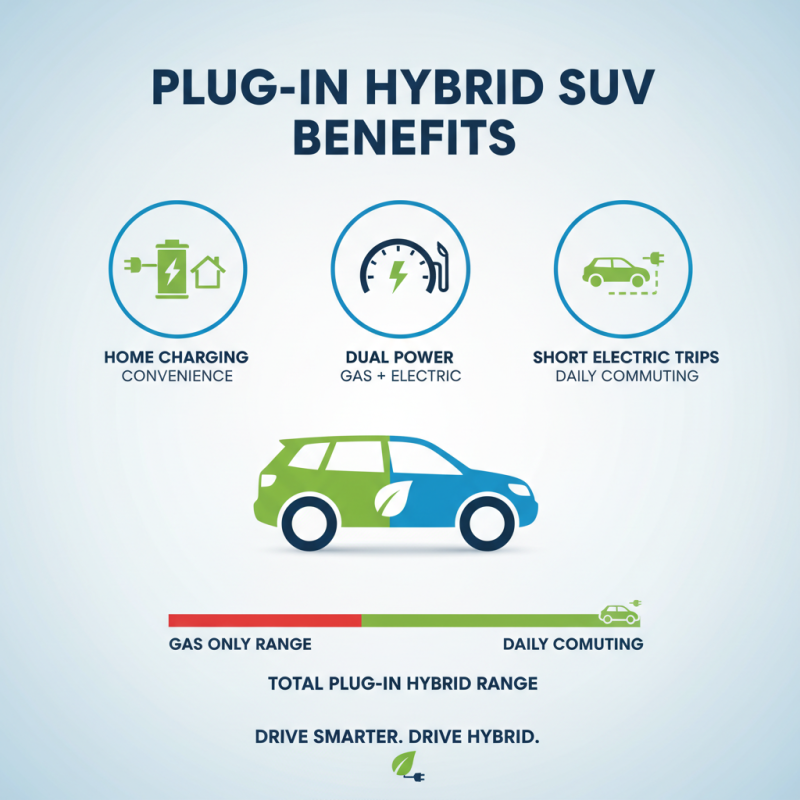
Driving a plug-in hybrid SUV offers unique benefits for modern consumers. These vehicles combine a gasoline engine with an electric motor. As a result, they can operate on electricity alone for shorter trips. This makes them ideal for daily commutes. Many plug-in hybrids allow drivers to recharge at home. This provides a level of convenience that traditional gas vehicles lack.
Another advantage is fuel efficiency. These SUVs often consume less gasoline compared to standard vehicles. This can lead to fewer trips to the gas station. Drivers save money on fuel costs over time. Additionally, the electric motor can produce instant torque. This means better acceleration in many scenarios. However, it’s essential for drivers to consider charging options. Not all homes have easy access to charging stations.
Lastly, plug-in hybrid SUVs may offer lower emissions. This aligns with the growing trend towards eco-friendly transportation. However, the weight of the battery can impact overall performance. Some users report that handling doesn't feel as nimble. These vehicles blend traditional power with modern technology. Yet, they may require adjustments in driving habits for optimal use.
Common Misconceptions about Plug-In Hybrid SUVs
Plug-In Hybrid SUVs often come with misconceptions. Many believe they operate solely on electricity or gasoline. However, these vehicles combine both power sources. According to a report by the International Council on Clean Transportation, over 50% of plug-in hybrid vehicle owners do not fully utilize electric capabilities. This leads to reduced efficiency and higher emissions than expected.
One common myth is about charging. Some users think plugging in is mandatory for performance. In reality, even without regular charging, these SUVs perform adequately on gasoline alone. Yet, relying on gas alone can increase long-term costs and diminish environmental benefits.
Here’s a tip: Try to charge your Plug-In Hybrid SUV at least once a week. This can maximize your electric range. Additionally, ensure you understand your car's settings. Many hybrids offer different driving modes which can enhance battery life. Remember, the effectiveness of these vehicles depends heavily on how you use them. Regular charging may seem like a hassle, but the benefits are substantial.