What is a Plug In Hybrid Car and How Does It Work?
The automotive industry is evolving rapidly. Plug In Hybrid Cars (PHEVs) are a significant part of this transformation. According to the International Energy Agency, PHEVs accounted for over 5% of global car sales in 2022. This trend shows increasing consumer interest in reducing carbon footprints while maintaining the flexibility of traditional vehicles.
Experts like Dr. Jane Hartman, a renowned automotive analyst, emphasize the potential of PHEVs. She often states, “Plug In Hybrid Cars represent a bridge between gasoline power and full electric mobility.” This sentiment captures the essence of a vehicle that offers both electric and gasoline engines. Drivers can optimize their fuel usage for daily commutes and longer trips.
Nevertheless, challenges remain in the widespread adoption of Plug In Hybrid Cars. Battery technology continues to improve, yet the range of electric-only driving can be limiting. Additionally, consumers may find it difficult to understand charging infrastructure. As the market matures, these concerns need addressing. The future of PHEVs holds promise, but reflection on current limitations is necessary for growth.
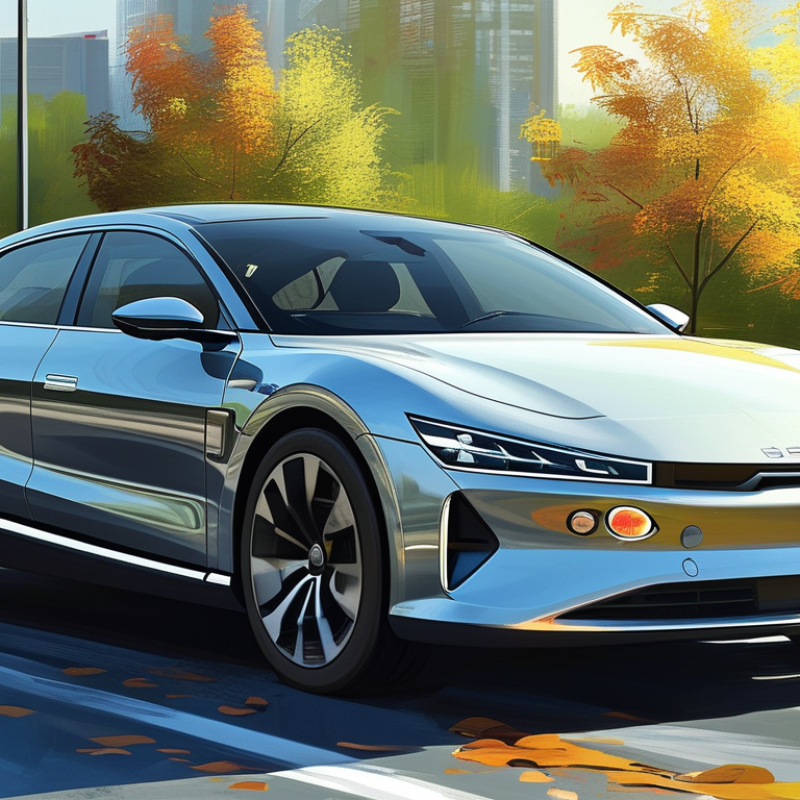
What is a Plug-In Hybrid Car?
A plug-in hybrid car (PHEV) combines a conventional internal combustion engine with an electric motor and battery.
Unlike traditional hybrids, PHEVs can be charged from an external power source. This feature allows drivers to travel
significant distances on electric power alone. According to the International Energy Agency, PHEVs accounted for about
5% of total global electric vehicle sales in 2022.
The typical electric-only range of a PHEV can vary, averaging around 20 to 50 miles. This range is often
sufficient for most daily commutes. A recent study showed that over 50% of U.S. drivers travel less than 20 miles
daily, making PHEVs a practical choice. Yet, the transition to electric driving can be challenging. Many consumers
remain hesitant due to concerns about charging infrastructure and battery longevity.
While the environmental benefits are clear, they are not without flaws. Depending on how the vehicle is charged,
emissions reductions can vary significantly. Addressing these issues requires ongoing consumer education. As more
drivers consider PHEVs, understanding their operation and real-world benefits becomes crucial.
Key Components of a Plug-In Hybrid Vehicle
Plug-in hybrid vehicles (PHEVs) combine both electric and gasoline power. They feature two main components: an electric motor and a gasoline engine. The electric motor is charged by plugging the vehicle into an electrical outlet. On the other hand, the gasoline engine provides additional power when needed. This combination allows for greater flexibility in driving range.
One significant component is the battery pack. This rechargeable battery stores energy for the electric motor. It typically has a larger capacity than standard hybrid batteries. The battery can drive the vehicle on electric power alone for a certain distance. However, a driver should regularly check the battery's charge status to avoid unplanned hybrid mode.
Another essential part is the regenerative braking system. This system captures energy during braking to recharge the battery. It enhances efficiency, especially in stop-and-go traffic. Yet, drivers should be aware that the system may feel different from traditional brakes. Learning to adapt to these nuances can improve the driving experience.
Keeping the PHEV well-maintained is crucial. Regular check-ups can ensure that both the electric and gasoline systems function optimally. Drivers should also stay informed about local charging stations. This knowledge can ease the transition to electric driving.
How a Plug-In Hybrid Car Operates
Plug-in hybrid cars blend electric and gasoline power, providing a flexible driving experience. They operate with a rechargeable battery that can be charged at home or public charging stations. According to the U.S. Department of Energy, these vehicles can travel an average of 20 to 50 miles on electric power alone, depending on the model and battery capacity. This range allows many drivers to complete daily commutes without using gasoline.
When the battery is depleted, the gasoline engine activates to extend driving range. A report by the International Council on Clean Transportation highlights that plug-in hybrids can achieve fuel economy ratings exceeding 100 MPGe when driven predominantly on electric power. Nonetheless, the effectiveness of these vehicles can diminish with increased reliance on gasoline, leading to reflections on driving habits and charging infrastructure. Drivers may find it challenging to consistently charge their vehicles, influencing overall efficiency.
Plug-in hybrids present a practical option for those seeking greener alternatives without sacrificing convenience. They can reduce carbon emissions significantly. However, real-world performance can vary based on driving patterns, with some users not maximizing electric usage. Understanding these dynamics is essential for making informed decisions regarding this technology.
Advantages of Driving a Plug-In Hybrid
Driving a plug-in hybrid (PHEV) offers several advantages that appeal to eco-conscious drivers. One significant perk is the reduced fuel consumption. A PHEV can run on electric power alone for short trips, minimizing reliance on gasoline. This efficiency can lead to lower fuel costs over time. Imagine running errands around town without spending a dime on gas.
Another advantage is the lower emissions. Since PHEVs use both an electric motor and a gasoline engine, they produce fewer tailpipe emissions compared to traditional vehicles. This reduction can contribute to better air quality in urban areas. However, it’s essential to recognize that the overall impact depends on how often the electric capacity is utilized. Not every driver may fully charge their vehicle regularly, which can lessen its environmental benefits.
Additionally, many regions offer incentives for PHEV ownership. These incentives can include tax credits or rebates, making them an attractive financial option. However, the initial purchase price may still be higher than conventional cars. It’s crucial for buyers to weigh long-term savings against upfront costs. Reflecting on these factors can help in making an informed decision about driving a plug-in hybrid.
What is a Plug In Hybrid Car and How Does It Work? - Advantages of Driving a Plug-In Hybrid
| Feature |
Details |
| Power Source |
Combines an internal combustion engine with an electric motor |
| Charging Method |
Can be charged via a standard power outlet or charging station |
| Electric Range |
Typically offers an electric-only range of 20-50 miles |
| Fuel Efficiency |
Better fuel efficiency compared to traditional gasoline vehicles |
| Environmental Impact |
Lower emissions due to reduced reliance on fossil fuels |
| Incentives |
May qualify for government tax credits and rebates |
| Regenerative Braking |
Recovers energy during braking to recharge the battery |
| Driving Modes |
Usually offers multiple driving modes (electric, hybrid, gasoline) |
Charging Options and Driving Range of Plug-In Hybrids
Plug-in hybrid cars (PHEVs) offer a versatile driving experience, combining an electric motor with a gasoline engine. This design means they can be charged from an external power source. PHEVs typically have multiple charging options. Home charging stations are most common, providing convenient overnight power. Public charging points are also widely available, increasing flexibility during long trips.
Driving ranges vary by model but often allow for smooth short-distance commutes solely on electric power. Many PHEVs can travel between 20 to 50 miles on a full charge, using their combustion engine for longer trips. The transition between electric and gasoline power is seamless. However, understanding local charging infrastructure is essential for optimal use.
It's wise to consider your driving habits when choosing a plug-in hybrid. For city dwellers, sticking to electric mode can significantly reduce fuel costs. If you frequently travel longer distances, ensure the model offers ample gasoline range. Regular charging can enhance the efficiency of the vehicle. Many drivers underestimate how often they can plug in. Monitoring battery health is crucial; neglecting charging can lead to reduced performance. Balancing electric use with gasoline won’t always be straightforward, but adapting can yield considerable benefits.