2025 How to Choose the Best EV SUV for Your Needs and Lifestyle
As electric vehicles (EVs) continue to rise in popularity, the EV SUV segment has become a remarkable choice for discerning drivers seeking practicality and sustainability. In 2025, selecting the best EV SUV for your personal needs and lifestyle involves a careful consideration of various factors. Whether you prioritize spaciousness for family trips, advanced technology for connectivity, or energy efficiency for daily commutes, the landscape of EV SUVs offers a multitude of options.
This guide aims to illuminate the critical elements to evaluate when searching for the ideal EV SUV. With advancements in battery technology and charging infrastructure, potential buyers are not only attracted to the eco-friendly benefits of electric SUVs but also their ability to provide comfort and versatility. By understanding your requirements and exploring the myriad features available, you can make a well-informed decision that aligns perfectly with your lifestyle, ensuring that your EV SUV serves as an impeccable companion for years to come.
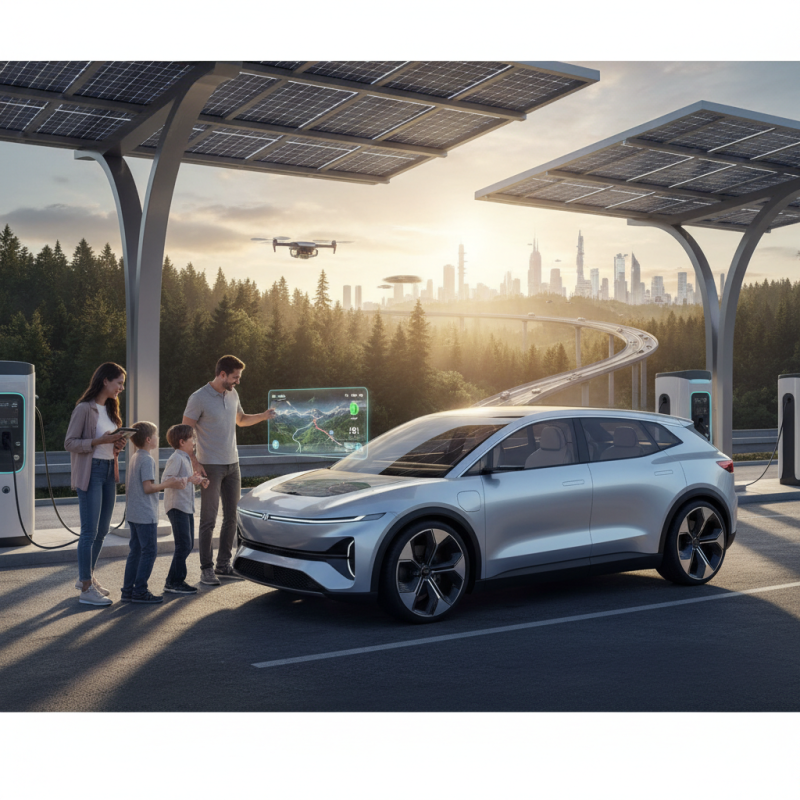
Understanding Your Driving Needs and Lifestyle Preferences
When choosing the best electric vehicle (EV) SUV for your needs and lifestyle, understanding your driving patterns and preferences is crucial. According to a 2023 report by the International Energy Agency, approximately 55% of electric vehicle owners cite daily commuting as their primary usage for an average distance of around 30 miles. This insight suggests that for individuals who primarily drive short distances or engage in daily city commuting, an EV SUV with a range of 200-250 miles on a single charge would likely be more than sufficient to meet their needs without frequent charging.
In addition to daily travel, consider your lifestyle preferences such as family size, cargo space requirements, and recreational activities. A recent study published by EV Volumes indicated that 70% of prospective EV buyers prioritize interior space and comfort, especially for families. For those who live an active lifestyle or require additional cargo for leisure activities, SUVs with flexible seating configurations and ample cargo capacity could be a decisive factor. It's essential to assess your daily requirements, weekend habits, and potential road trip needs when evaluating which EV SUV aligns best with your lifestyle. This thoughtful approach ensures that your vehicle complements your daily life rather than complicating it.
2025 How to Choose the Best EV SUV for Your Needs and Lifestyle
| Criteria |
Description |
Considerations |
| Range |
Distance the vehicle can travel on a single charge. |
Consider daily commute versus long trips. |
| Charging Options |
Availability of home charging and public charging stations. |
Assess charging speed and convenience. |
| Interior Space |
Passenger and cargo capacity. |
Evaluate family size and lifestyle needs. |
| Tech Features |
Infotainment systems, safety technologies, and driver assistance. |
Prioritize connectivity and safety features. |
| Performance |
Acceleration, handling, and driving dynamics. |
Choose based on driving style preference. |
| Budget |
Total cost of ownership including purchase price, incentives, and maintenance. |
Account for potential tax credits and rebates. |
| Environmental Impact |
Carbon footprint and sustainability of materials. |
Consider the manufacturing and recyclability of components. |
Evaluating Key Features of EV SUVs: Range, Charging, and Performance
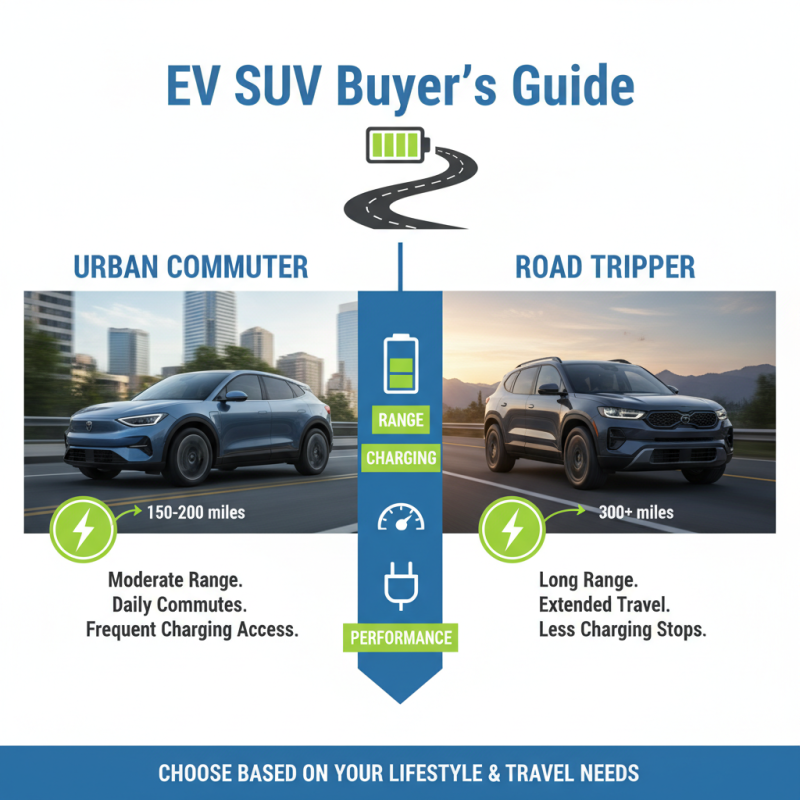
When choosing an electric vehicle (EV) SUV, evaluating key features such as range, charging options, and performance is essential to ensure it aligns with your lifestyle. The range of an EV SUV refers to the distance it can travel on a single charge. For urban dwellers with shorter commutes, a moderate range may suffice, while those who frequently embark on road trips would benefit from EVs boasting longer distances between charges. Understanding your daily and occasional travel needs will help you select a model that won’t leave you stranded.
Charging is another critical aspect to consider. Options typically vary from standard home charging setups to fast-charging stations available in public spaces. If you have access to home charging, you can simplify your routine by charging overnight. However, for those who rely on public charging infrastructure, it is vital to assess the availability and speed of charging stations along your usual routes. Lastly, performance attributes such as acceleration, handling, and off-road capabilities should not be overlooked, as these elements significantly impact the driving experience. Identifying which of these features are most important to you will guide your selection of the best EV SUV tailored to your needs.
Comparing Costs: Pricing, Incentives, and Maintenance of EV SUVs
When selecting an electric vehicle (EV) SUV, understanding the costs associated with ownership is crucial. The initial pricing of EV SUVs can vary significantly, typically ranging from $35,000 to $70,000 depending on the model and features. However, potential buyers should consider available incentives that can substantially lower the purchase price. For instance, federal tax credits in many countries can provide up to $7,500 off the purchase price, while state-specific incentives may add even more savings. According to the U.S. Department of Energy, the average consumer can expect to see significant rebates that could bring the effective cost down by nearly 20% in some regions.
Maintenance costs are another critical factor when comparing EV SUVs to traditional gasoline vehicles. Research from the Bureau of Transportation Statistics indicates that EVs generally incur lower maintenance costs, with estimates suggesting savings of approximately 30-40%. This is largely due to the simpler mechanics of electric motors, which eliminate the need for engine oil changes and reduce wear on braking systems thanks to regenerative braking technology. Moreover, as more charging infrastructure is developed, the cost of electricity also becomes a more predictable expense compared to fluctuating fuel prices. This combination of incentives and lower ongoing costs positions EV SUVs as an economically attractive option for consumers, especially when aligning with sustainable lifestyle choices.
Assessing Safety Ratings and Technologies in Electric SUVs
When choosing the best electric SUV for your needs, one of the most critical aspects to evaluate is the safety ratings and technologies incorporated into the vehicle. Many organizations, such as government agencies and independent research bodies, conduct thorough crash tests and safety assessments to provide consumers with reliable safety ratings. This information can guide potential buyers in selecting models that excel in protecting occupants during various driving scenarios. Look for vehicles that have received high ratings in both frontal and side-impact tests, as well as advanced safety features that contribute to overall vehicle stability and passenger protection.
In addition to traditional safety ratings, the integration of modern safety technologies is of paramount importance in electric SUVs. Features such as adaptive cruise control, lane departure warnings, and automatic emergency braking help enhance driving safety. Furthermore, newer models often come equipped with advanced driver-assistance systems (ADAS) that utilize cameras and sensors to monitor road conditions and provide real-time feedback to drivers. Understanding these technologies and their functionality can significantly impact your driving experience and overall confidence on the road. When assessing your options, prioritize models that not only meet high safety standards but also offer innovative technologies that can help prevent accidents and improve driver awareness.
Researching Brands and Models: Finding the Right Fit for You
When exploring the best electric vehicle (EV) SUVs for your needs, thorough research on various brands and models is crucial. Start by identifying the key features that align with your lifestyle. Consider factors like range, charging time, and interior space. If you frequently travel long distances, prioritize models that offer higher mileage on a single charge. Alternatively, for urban commuting, a smaller EV SUV might offer the agility you need while still providing ample storage.
Additionally, examining reviews and comparisons from reputable automotive sources can provide insights into performance, safety ratings, and user satisfaction. Pay attention to the technology and connectivity features that different models offer, as these can greatly enhance your driving experience. Moreover, look into the availability of service centers and charging infrastructure in your area, ensuring that maintenance and refueling won't be a hassle. By investing the time to research thoroughly, you can find an EV SUV that meets your requirements and elevates your driving experience.