Why Are Electric Car Deals So Popular Right Now?
The rise in popularity of Electric Car Deals has captured the attention of consumers and industry experts alike. With growing environmental concerns and advancements in technology, many are considering electric vehicles (EVs). Financial incentives, such as tax credits and rebates, make these cars more attractive. Dealerships are offering competitive financing options, which further entices buyers.
In the past, electric cars faced skepticism due to their range and charging times. Now, improvements in battery technology enhance performance and reduce anxiety related to long trips. More models are available, catering to various budgets and preferences. Yet, some consumers remain hesitant, questioning the long-term reliability of EVs and their resale value.
The current surge in Electric Car Deals reflects a public shift towards sustainability. As more information becomes available, consumers need reliable sources to make informed choices. However, some marketing claims may benefit from closer scrutiny. Understanding what truly constitutes a good deal is essential for prospective buyers navigating this evolving market.
The Rise of Electric Car Popularity in Today's Market
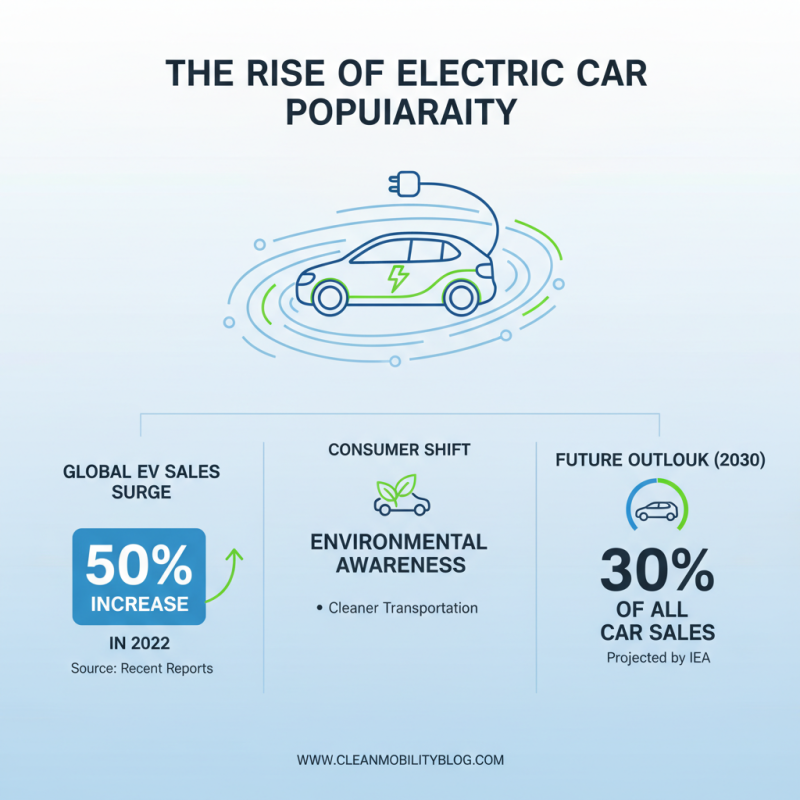
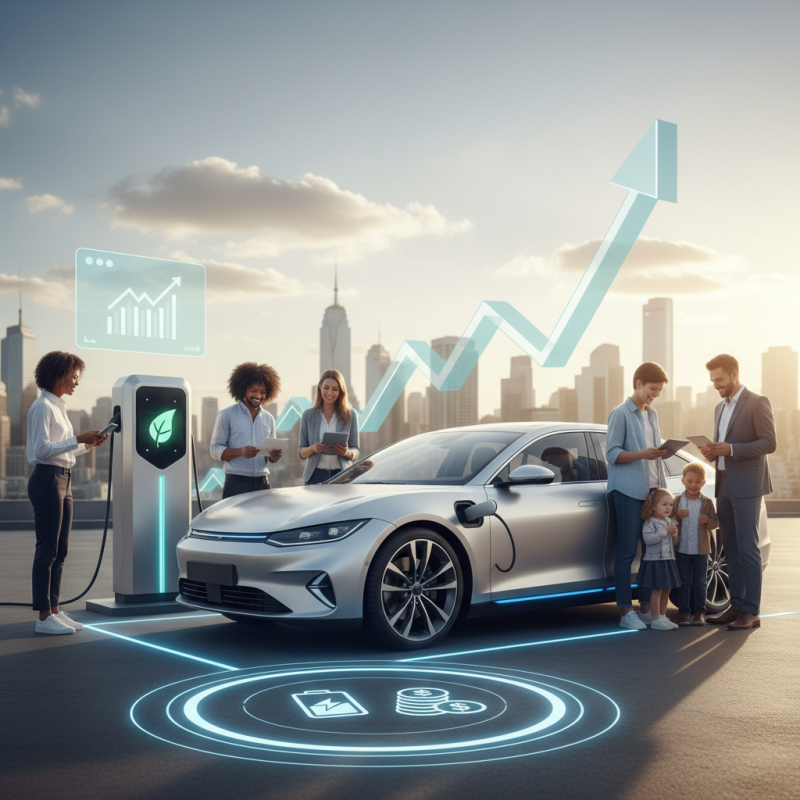
Electric cars are gaining traction in today's market. Recent reports indicate that global electric vehicle (EV) sales surged by 50% in 2022, representing a significant shift in consumer preferences. Rising environmental awareness drives many to seek cleaner transportation options. The International Energy Agency (IEA) predicts that EVs could make up 30% of all global car sales by 2030.
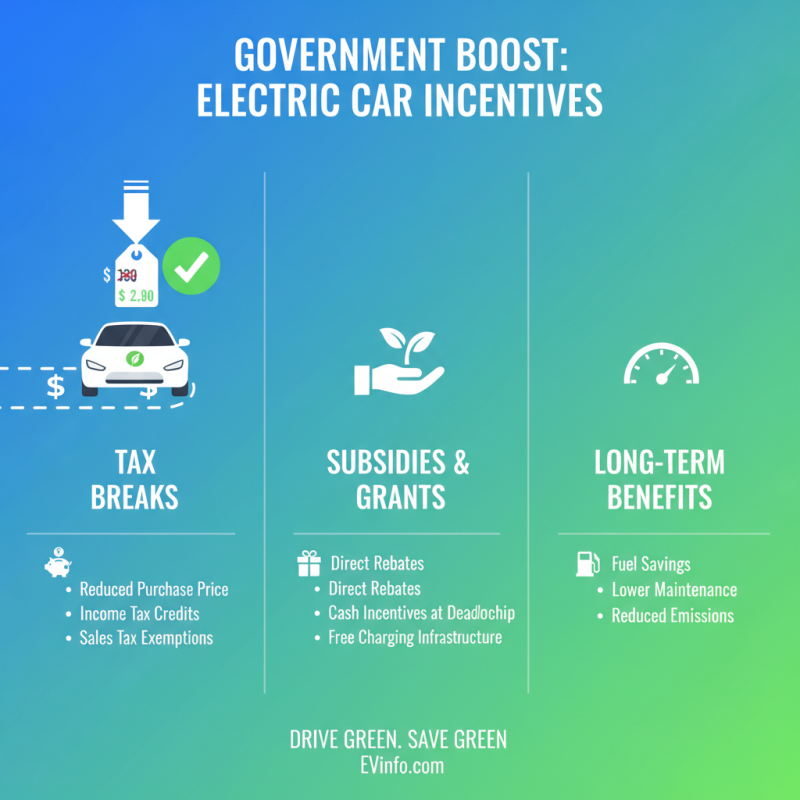
In addition to eco-conscious choices, financial incentives play a critical role. Governments are offering tax credits and rebates to lower the upfront costs. A study from Edmunds shows that buyers can save an average of $7,000 on new electric cars due to these incentives. Yet, some consumers worry about charging infrastructure. The growing network of fast chargers is alleviating these concerns, making it easier to own an EV.
However, challenges remain. The affordability of electric vehicles could hinder some potential buyers. While battery technology is advancing, the upfront cost remains higher than conventional cars. This imbalance creates a gap in accessibility. Continuous innovation is needed to make electric vehicles truly available for everyone. Addressing these issues will determine the future of electric mobility.
Factors Driving the Demand for Electric Vehicles
The surge in electric vehicle (EV) deals reflects a multifaceted demand landscape. Increasing consumer awareness of environmental issues is a key driver. According to recent studies, about 70% of consumers acknowledge the need for sustainable transportation. This shift influences purchasing decisions significantly. Furthermore, a report from the International Energy Agency (IEA) suggests that global EV sales are set to reach 14 million units by 2025, a testament to the rising popularity.
Government incentives also play a crucial role. Many countries are offering tax credits and rebates that lower the effective cost of EVs. A report by Deloitte indicates that these incentives can reduce vehicle prices by up to $7,000. This financial support encourages more buyers to consider EVs. However, the charging infrastructure still poses challenges. Despite its growth, many consumers remain hesitant due to range anxiety. Studies show that around 50% of potential buyers are concerned about charging availability.
Another element driving demand is the rapid technological advancement in battery efficiency. Current lithium-ion batteries are improving constantly. They are now more affordable and have longer ranges. According to BloombergNEF, the cost of battery packs fell by 89% from 2010 to 2020. Yet, despite these advances, the longevity and recyclability of batteries remain points for further development and reflection in the industry.
Why Are Electric Car Deals So Popular Right Now? - Factors Driving the Demand for Electric Vehicles
| Factor |
Impact Level (1-5) |
Description |
| Government Incentives |
5 |
Tax credits and rebates for electric vehicle purchases. |
| Environmental Concerns |
4 |
Rising awareness of climate change and pollution issues. |
| Fuel Prices |
4 |
Increased gasoline prices pushing consumers towards electric options. |
| Technological Advancements |
5 |
Improved battery life and charging infrastructure. |
| Public Awareness |
3 |
Growing education and marketing around electric vehicles. |
| Manufacturing Shifts |
4 |
Automakers increasingly prioritizing electric vehicle production. |
| Charging Accessibility |
4 |
Expansion of charging stations in urban and rural areas. |
Technological Advancements and Their Impact on Electric Vehicles
The electric vehicle (EV) market is witnessing remarkable growth, driven by rapid technological advancements. In 2022, global electric car sales surged by over 55%, reaching approximately 10 million units. This shift is not just a trend; it's a response to increasing consumer demand for sustainable transportation options. Innovations in battery technology play a crucial role in this expansion. For instance, the introduction of solid-state batteries promises greater energy density and faster charging times, addressing key consumer concerns about range anxiety and charging infrastructure.
Moreover, advancements in autonomous driving technology are making EVs more appealing. A recent report indicated that nearly 70% of consumers express interest in self-driving capabilities. These features enhance safety and convenience, offering a competitive edge for electric cars in the marketplace. Despite these advancements, challenges remain. The high cost of production for new technologies can lead to price fluctuations. Additionally, the environmental impact of battery production needs careful examination.
While the popularity of electric vehicles is undeniable, the industry must grapple with its growing pains. As consumers increasingly embrace this new technology, manufacturers must ensure that sustainability remains at the forefront. The balance between innovation and responsible production will define the future of electric mobility.
Consumer Awareness and Environmental Concerns Surrounding Electric Cars
Electric cars are gaining popularity among consumers due to rising environmental awareness. Many people are concerned about climate change and air pollution. They want to reduce their carbon footprint. Electric vehicles (EVs) offer a cleaner alternative. They produce zero tailpipe emissions. This is a significant factor driving consumer interest. As awareness grows, so does the market for EVs.
The push toward electric cars is also seen in public policies. Governments are providing incentives for EV purchases. Tax credits and rebates make electric vehicles more affordable. However, the infrastructure for charging is still developing. Many consumers express worries about charging availability. Range anxiety affects their purchasing decisions. It’s essential for manufacturers and governments to address these issues.
Consumer education plays a key role in this shift. Many potential buyers are unfamiliar with EV technology. They may need guidance on battery life and maintenance. In some cases, misinformation spreads quickly. This creates hesitation among buyers. Reliable sources are necessary to help consumers make informed decisions. Building trust is crucial in encouraging more electric car sales.
Electric Car Popularity Factors in 2023