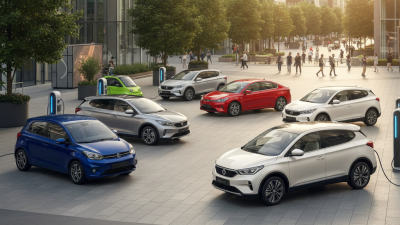
How to Choose the Best PHEV Cars for 2026?
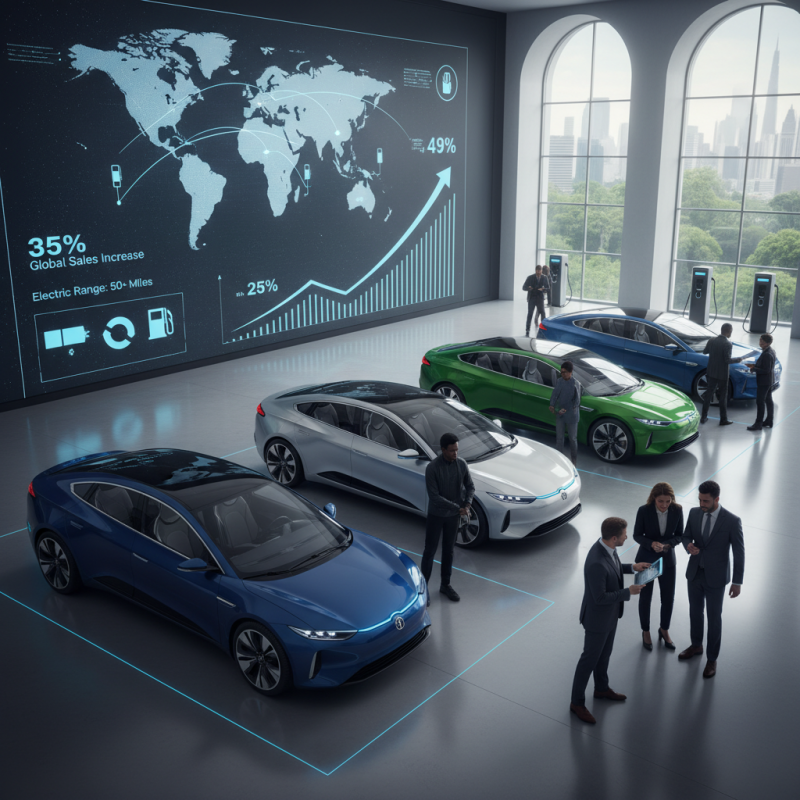
As we approach 2026, the automotive market faces significant transitions. PHEV cars, or Plug-in Hybrid Electric Vehicles, are becoming increasingly popular. According to a recent industry report, sales of PHEV cars are projected to rise by 35% globally over the next three years. This surge reflects a growing consumer interest in sustainable transportation and lower emissions.
Several factors influence the choice of the best PHEV cars. Battery life, charging infrastructure, and overall efficiency are crucial. Many manufacturers now focus on enhancing electric ranges, addressing previous concerns about performance. For instance, some models offer over 50 miles of electric-only driving. However, consumers must also consider the balance between electric and gasoline usage.
However, potential buyers should be mindful. Not all PHEV cars provide the same benefits or charging capabilities. There remain gaps in charging station accessibility, particularly in rural areas. A thorough evaluation of personal driving needs and local infrastructure is essential. Choosing the right PHEV often requires thoughtful research and consideration of various factors.
Understanding PHEV: What is a Plug-in Hybrid Electric Vehicle?
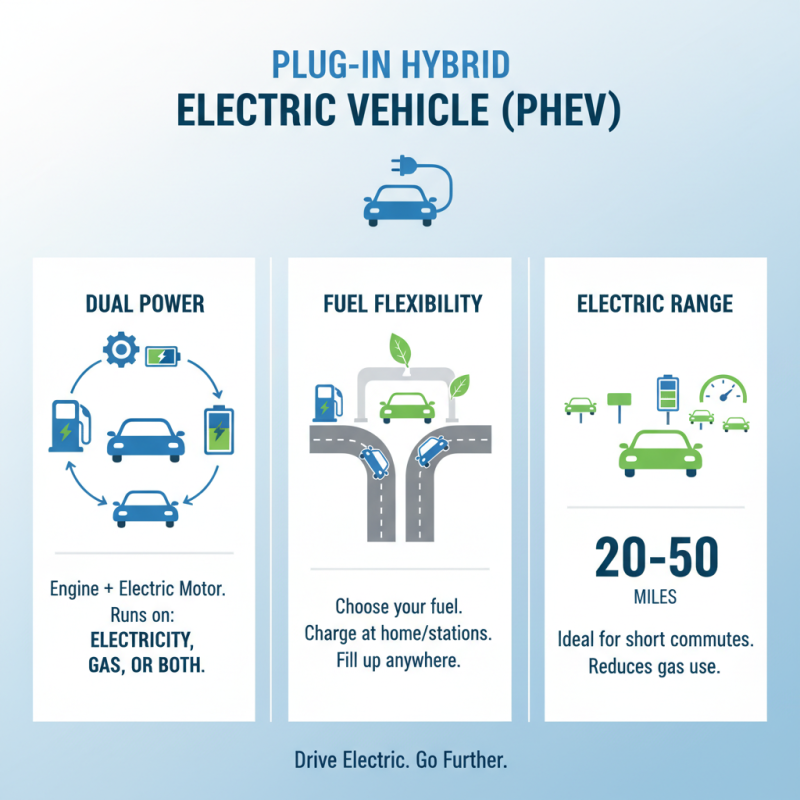
Plug-in Hybrid Electric Vehicles (PHEVs) combine a traditional internal combustion engine with an electric motor. They can run on electricity, gasoline, or both. This versatility offers drivers flexibility in fuel choice. The electric range varies among models, typically between 20 to 50 miles. This is great for short commutes.
Before selecting a PHEV, consider your daily driving habits. Do you often drive long distances? A model with a greater hybrid range may suit your needs better. Check the charging options available at home and work. Charging time can vary; some models take several hours, while others are quicker.
Here are some tips: Look for vehicles with regenerative braking. This feature uses the car’s momentum to recharge the battery. Also, think about cargo space. Some PHEVs compromise trunk space for battery storage. Lastly, research local incentives for electric vehicles. These can significantly lower your cost when purchasing. Don't forget to read reviews, especially about real-world electric range.
Key Factors to Consider When Choosing a PHEV for 2026
When choosing a Plug-in Hybrid Electric Vehicle (PHEV) for 2026, several key factors come into play. Consider the electric range. Many drivers want a vehicle that can handle daily commutes on electric power alone. A longer range can save on fuel costs and reduce emissions. Look for vehicles that offer at least 30 miles of electric range. This can be crucial for city driving and short trips.
Battery life is another important aspect. Check the warranty conditions and ensure the battery has a long lifespan. Most PHEVs have a battery lifespan of around 8 to 10 years. However, technology is changing quickly, so keep an eye on advancements. A battery that charges quickly can be a big plus for busy lifestyles.
Tips: Test the charging options. Some PHEVs can charge at home, while others need public stations. Also, consider your driving patterns. If you frequently take long trips, a PHEV with strong gas capabilities is essential. Lastly, look into incentives. Some governments provide tax benefits for choosing eco-friendly vehicles. This can reduce the overall cost, making a PHEV more appealing.
Always reflect on your personal needs. Different lifestyles may require different features. Be mindful that PHEVs may not be suitable for everyone. Evaluate your daily habits and think about what you truly need from a vehicle. Make sure the choice aligns with your environmental values and financial expectations.
Comparison of Key Factors for PHEV Cars in 2026
Comparative Analysis: Leading PHEV Models and Their Efficiency Ratings
When choosing a plug-in hybrid electric vehicle (PHEV) for 2026, efficiency is key. Efficiency ratings can vary significantly across models. Consider factors such as electric range and fuel economy. You want a vehicle that balances both. Some PHEVs offer an impressive electric-only range, while others excel in fuel efficiency once the battery is depleted.
The technology behind PHEVs is rapidly evolving. Some models now feature advanced regenerative braking systems, which enhance overall efficiency. These systems can recover energy during braking, supplying extra power to the battery. However, not all manufacturers implement this technology effectively. It is essential to evaluate real-world driving tests and owner reports to gauge performance accurately.
Many consumers overlook the importance of energy consumption. While some vehicles showcase high electric miles per charge, their overall efficiency ratings can suffer. This often occurs when a vehicle is too heavy or lacks aerodynamics. Reflect on the driving experience, as an efficient vehicle should not only perform well but also feel satisfying to drive.
Evaluating Charging Infrastructure: Impacts on PHEV Ownership Experience
When considering a Plug-in Hybrid Electric Vehicle (PHEV) for 2026, charging infrastructure is vital. Good charging options enhance the ownership experience. Without accessible stations, convenience drops significantly. Many drivers struggle with inadequate charging solutions. Long waits at public chargers can be frustrating. It's essential to know your area's charging stations. Check local maps and apps before making a decision.
Tips: Evaluate the density of chargers in your daily travel routes. Assess if they are fast chargers or regular ones. This can impact your daily routine.
Home charging is another factor. Installing a home charger can make life easy. But installation might come with challenges. Not all homes have the electrical capacity. Understanding your home’s limits is crucial before purchasing.
Tips: Consider consulting a professional if unsure about home charging setup. They can help avoid future issues. Always think about backups for longer trips. It’s smart to plan routes with charging stations in mind.
Future Trends in PHEV Technology and Market Growth Projections for 2026
The plug-in hybrid electric vehicle (PHEV) market is evolving rapidly. By 2026, the demand is projected to surge, with analysts forecasting a market growth of 40% annually. This growth hinges on advancements in battery technology and increasing consumer awareness of sustainability. Studies show that improved range efficiency is crucial. Many PHEVs now exceed 30 miles of electric range, which is a significant improvement from previous models.
Government incentives will likely play a pivotal role. A recent report stated that over 60% of potential buyers consider subsidies and tax breaks when choosing PHEVs. However, despite the promising figures, challenges persist. Charging infrastructure remains uneven across regions, deterring some potential customers. Additionally, while many vehicles offer great features, the complexity of their systems can confuse first-time users.
Consumer preference is shifting towards vehicles with lower emissions. Yet, some consumers express hesitation about the reliance on electricity. The sustainability of battery production and disposal is another concern. Reports indicate that nearly 70% of users want more transparency about environmental impacts. As the industry progresses, addressing these concerns will be vital for broader acceptance.
How to Choose the Best PHEV Cars for 2026?
| Model |
Electric Range (miles) |
Combined MPG |
Battery Size (kWh) |
Estimated Price ($) |
| PHEV Model A |
30 |
80 |
15 |
35,000 |
| PHEV Model B |
40 |
75 |
18 |
38,500 |
| PHEV Model C |
25 |
85 |
13 |
32,000 |
| PHEV Model D |
50 |
90 |
20 |
45,000 |