How to Choose the Best Fully Electric Cars for Your Needs?
Choosing the right fully electric car can seem overwhelming. With advancements in technology, options abound. According to electric vehicle expert Dr. Emily Carter, "A fully electric car should suit your lifestyle and driving habits." This highlights the importance of aligning your choice with your personal needs.
Fully electric cars have unique features that cater to various preferences. Battery range, charging time, and interior space all matter. For urban commuters, compact models may suffice. Families may prioritize spacious designs and safety ratings. Each driver has distinct needs that demand careful consideration.
Reflecting on options is crucial. Potential buyers should test drive several models. They should also investigate local charging infrastructure. Don’t rush into a decision. The best choice is one that fits seamlessly into your daily routine. Embrace the opportunity to explore how fully electric cars can enrich your life.
Understanding Your Driving Needs and Lifestyle
When considering a fully electric car, it’s essential to reflect on your driving habits and lifestyle. A report by the International Council on Clean Transportation (ICCT) indicates that around 55% of electric vehicle (EV) owners drive less than 40 miles daily. This statistic highlights that most people can benefit from an electric vehicle, particularly those with short commutes. If this reflects your routine, a smaller battery capacity may suffice, easing the burden on your budget.
Charging infrastructure is also crucial. According to the U.S. Department of Energy, over 80% of EV charging occurs at home. If you live in an area with limited public charging options, owning a car with ample battery range is vital. Factors like your typical travel distance and access to charging can significantly impact your decision. Think about weekend trips or family vacations. Will your vehicle handle those needs?
Additionally, consider the potential for change. Your driving habits may evolve over time. A family may expand, requiring more space and utility. Reports show that 38% of EV buyers underestimate their future needs, which can lead to regrets. It’s wise to assess not just your current lifestyle but also future scenarios.
Electric Car Range Comparison
This bar chart compares the driving range of popular fully electric vehicles, helping you understand which options might best suit your lifestyle and daily driving needs.
Exploring Different Types of Fully Electric Cars
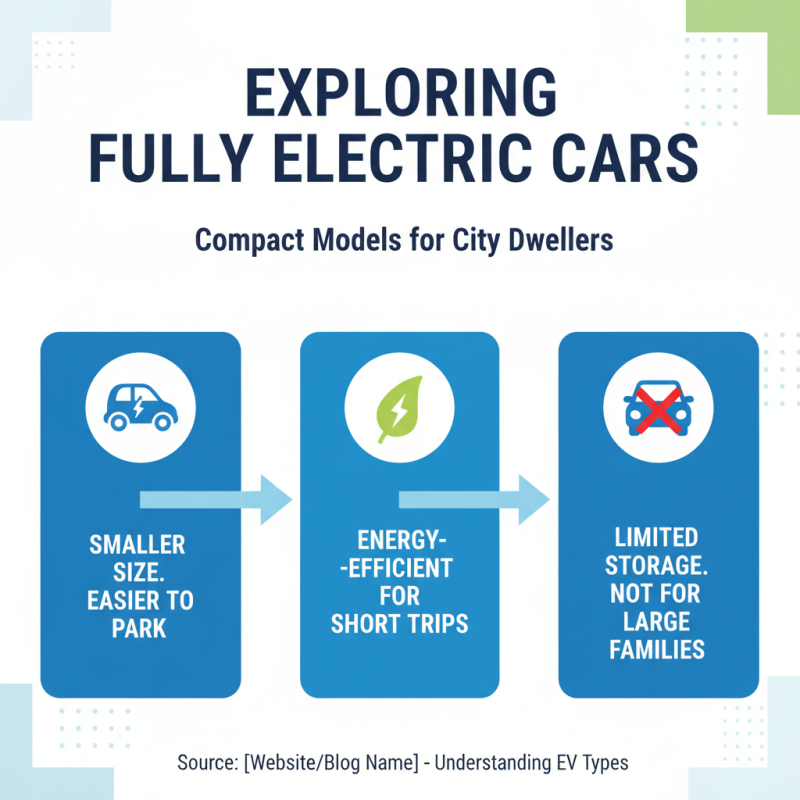
When choosing a fully electric car, understanding the various types available is crucial. There are compact models designed for city dwellers. These cars are usually smaller and easier to park. Their size makes them energy-efficient for short trips. However, they may lack storage space for larger families.
Then, there are SUVs and crossover models, which offer more space. They are perfect for those with kids or outdoor hobbies. But these bigger vehicles can consume more energy. It's essential to balance your need for space with efficiency. Some drivers may not consider the importance of range. If daily commutes extend beyond the car's capabilities, a shorter range can lead to frustration.
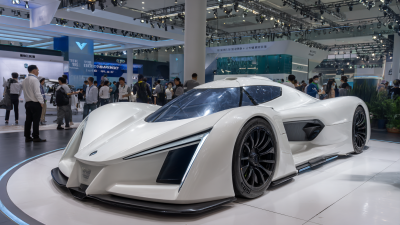
For those focused on performance, sports electric cars can provide exhilarating rides. They often come with advanced technology and fast charging options. Still, they may not be practical for everyday use. It’s important to reflect on your priorities. Will you be using the car primarily for work commutes, family trips, or pleasure drives? Each choice has its pros and cons, and understanding your needs can guide you to the right decision.
Evaluating Key Features and Specifications
When choosing a fully electric car, evaluating key features is crucial. Range is among the first specifications to consider. Most electric vehicles (EVs) offer a range of 150 to over 300 miles on a single charge. A longer range suits those with daily commutes or frequent long trips. Charging time also matters. Some cars can charge to 80% in under 30 minutes, while others may take several hours.
Battery capacity plays a significant role in overall performance. Higher capacity usually means better range but can increase costs. Look for vehicles with energy-efficient systems as they can stretch that battery life. Also, consider the vehicle's safety features. Advanced driver-assistance systems can enhance both safety and driving enjoyment.
Tech offerings deserve attention, too. Infotainment systems should be user-friendly yet sophisticated. Navigation tools can help locate charging stations, which is essential for long-distance travel. Interior space and comfort features influence daily usability. Always test drive to feel the car's handling. It’s important to reflect on your actual needs rather than just popular trends when making your choice.
How to Choose the Best Fully Electric Cars for Your Needs? - Evaluating Key Features and Specifications
| Model |
Range (miles) |
Battery Capacity (kWh) |
0-60 mph (seconds) |
Charging Speed (kW) |
Seating Capacity |
Price (USD) |
| Compact Electric Car |
250 |
50 |
6.0 |
150 |
5 |
35,000 |
| Mid-Size Electric SUV |
300 |
80 |
5.5 |
200 |
5 |
45,000 |
| Luxury Electric Sedan |
350 |
100 |
3.5 |
250 |
5 |
70,000 |
| Full-Size Electric Truck |
400 |
120 |
4.5 |
350 |
6 |
80,000 |
Reviewing Budget Considerations and Financial Incentives
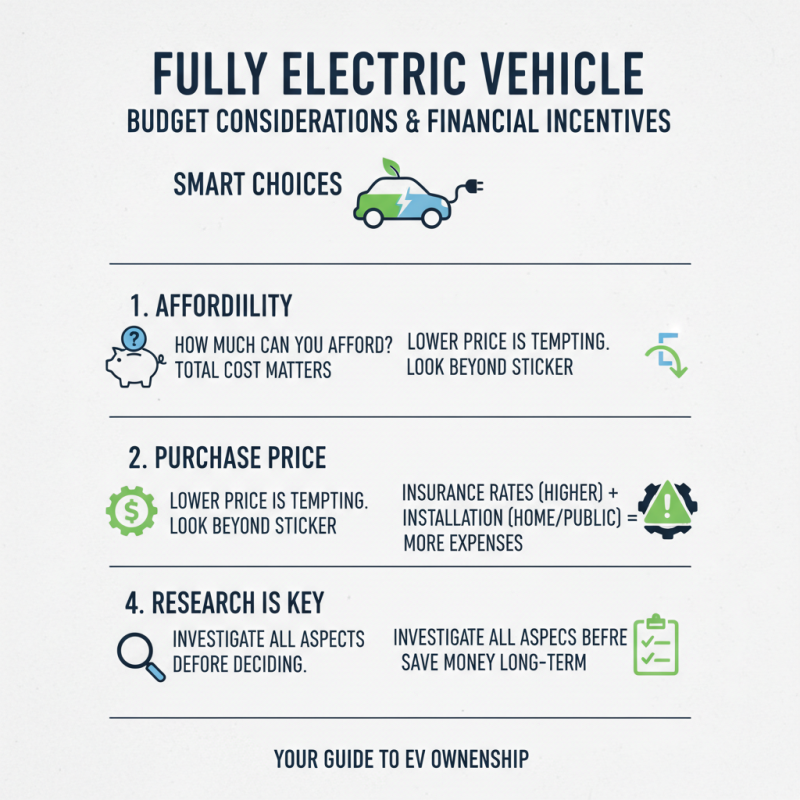
When considering a fully electric vehicle (EV), budget plays a crucial role. Explore how much you can afford. A lower purchase price might tempt you, but hidden costs can arise. Insurance rates and charging installation often add up. Research these aspects thoroughly before deciding.
Incentives can help ease the financial burden. Many regions offer tax credits for EV buyers. Some areas have rebates or grants, even for used models. Investigate local programs; they differ widely. You might find financial support that makes a more expensive model accessible. Additionally, some utility companies provide discounts or rebates for home charging stations.
Reflect on the total cost of ownership, not just upfront costs. Maintenance for EVs is generally lower, but they can still have unexpected repair expenses. Assess your driving habits too. If you often travel long distances, determine if the upfront savings outweigh potential inconvenience. Balancing initial cost and long-term benefits is key to making a smart choice.
Researching Charging Infrastructure and Maintenance Options
When choosing a fully electric car, consider charging infrastructure. Access to chargers is crucial for daily convenience. Look for areas with reliable charging stations. Check apps that show real-time charger availability. This feature can save time and reduce stress. Pay attention to charging speeds too. Fast chargers enable quicker refuels during long trips.
Maintenance options are equally important. Electric vehicles (EVs) generally require less upkeep than gasoline cars. However, specific components, like batteries, can have unique needs. Research local service centers that specialize in EV maintenance. Some garages may lack the expertise needed for proper care of your vehicle. It’s essential to ensure they are knowledgeable about EV technologies.
Evaluate costs associated with maintenance and repairs. Certain services might be more expensive due to specialized training. If you feel uncertain about your options, seek advice from EV owners. Their experiences can provide insight into local service quality. Choosing the right balance between charging and maintenance can enhance your electric vehicle experience significantly.