Leave Your Message

Top 10 Benefits of Hybrid Vehicles You Need to Know?

As the automotive industry evolves, Hybrid Vehicles are gaining significant attention. These vehicles are designed to combine a traditional gasoline engine with an electric motor. According to Dr. Emily Carter, a leading expert in the field, "Hybrid Vehicles represent the future of sustainable transportation." Her insight underscores the importance of understanding their benefits.

When considering Hybrid Vehicles, numerous advantages emerge. They offer improved fuel efficiency, reduce emissions, and can even save money on fuel costs. Drivers appreciate the quiet operation and seamless transition between electric and gas power. However, buyers should reflect on the upfront costs and maintenance. Not everyone might find a Hybrid Vehicle suits their lifestyle at first glance. Each aspect requires careful thought.

In a world striving for sustainability, Hybrid Vehicles offer a promising solution. More consumers are becoming conscious of their carbon footprint. Yet, it's essential to weigh the practicality against personal needs. Each potential owner should analyze these benefits before making the switch.

Top 10 Benefits of Hybrid Vehicles You Need to Know?

Benefits of Hybrid Vehicles for Fuel Economy Savings

Hybrid vehicles offer significant advantages when it comes to fuel economy savings. These vehicles combine a traditional gasoline engine with an electric motor. This dual system optimizes fuel efficiency and reduces emissions, making them an appealing choice for eco-conscious drivers. On average, hybrid cars can achieve nearly double the fuel economy of conventional vehicles.

The electric motor in hybrids supports the gasoline engine during acceleration and drives the car at lower speeds. This feature allows for less gasoline usage in daily commutes. Many hybrid models also incorporate regenerative braking, which captures energy typically lost during braking and redirects it to recharge the battery. However, hybrid vehicles can have a higher initial cost. It might take years to recoup this investment through fuel savings alone. Potential buyers must weigh the long-term benefits against the upfront expenses.

While the technology is impressive, hybrids are not without flaws. They might not deliver the same driving experience as traditional cars. Some drivers feel a lack of power during acceleration, and others report limited trunk space due to battery placement. These nuances require consideration, especially for those who prioritize performance and space.


Top 10 Benefits of Hybrid Vehicles - Fuel Economy Savings

Environmental Impact and Reduction of Carbon Footprint

Hybrid vehicles are increasingly recognized for their positive environmental impact. Transitioning from conventional vehicles to hybrids can significantly reduce greenhouse gas emissions. According to a study by the Union of Concerned Scientists, hybrids can cut emissions by 30% compared to traditional models. This reduction is crucial in the fight against climate change.

The U.S. Environmental Protection Agency notes that transportation accounts for nearly 29% of greenhouse gas emissions in the country. Hybrid vehicles offer a solution. By using a combination of electric and gasoline-powered engines, they consume less fuel and produce fewer emissions. In urban areas, hybrids can be even more effective, as they often run on electric power at low speeds.

However, the production and disposal of hybrid batteries pose challenges. The mining of lithium and other materials raises environmental concerns. Efforts are ongoing to improve battery recycling and sourcing methods. As we promote hybrid technology, we must also address these environmental trade-offs. The overall reduction in carbon footprint is significant, but it’s essential to consider the full lifecycle of these vehicles.

Top 10 Benefits of Hybrid Vehicles You Need to Know

Benefit Description Environmental Impact Carbon Footprint Reduction
Fuel Efficiency Hybrid vehicles combine electric and gasoline power for better mileage. Reduces reliance on fossil fuels. 30-50% lower CO2 emissions compared to traditional vehicles.
Lower Emissions Hybrid vehicles emit fewer pollutants than conventional cars. Decreases urban air pollution levels. Significant reduction in harmful gases.
Regenerative Braking Captures energy during braking to recharge batteries. Improves energy efficiency. Reduces fuel consumption further.
Tax Incentives Many regions offer tax breaks for hybrid vehicle owners. Encourages more eco-friendly vehicle purchases. Increases adoption of low-emission technologies.
Quiet Operation Hybrid cars are generally quieter, especially at low speeds. Reduces noise pollution in urban areas. Contributes to healthier living environments.
Sustainability Encourages the use of renewable energy sources. Promotes cleaner technologies. Supports wider adoption of electric driving.
Resale Value Hybrids often retain their value better over time. Encourages responsible consumption. Promotes long-term eco-friendly choices.
Increased Range Combining gas and electric gives longer driving range. Reduces range anxiety associated with electric vehicles. Improved fuel economy and emissions.
Lower Fuel Costs Reduced expenses on gas with better mileage. Results in lower demand for gasoline. Cuts individual carbon output significantly.
Innovative Technology Encourages advancements in automotive technology. Fosters a culture of innovation aimed at sustainability. Influences future developments in vehicle emissions.

Innovations in Hybrid Technology Enhancing Driving Experience

Hybrid technology is revolutionizing how we drive, combining the benefits of gasoline engines and electric power. Recent industry reports indicate that hybrid cars can reduce fuel consumption by up to 50%. This shift not only enhances efficiency but also minimizes emissions. In some cases, hybrids emit up to 30% less CO2 than traditional vehicles. This data highlights how these advancements can promote a cleaner environment.

Comfort and safety features are also improving in hybrid vehicles. Many models now include advanced driver-assistance systems. These features, like adaptive cruise control and lane-keeping assist, make driving safer and more manageable. However, the complexity of this technology might overwhelm some drivers. Striking the right balance between innovation and user-friendliness remains a challenge.

Battery technology is continuously evolving, making hybrids more compelling. Current lithium-ion batteries can power vehicles for longer, and charging time is decreasing. Yet, there are still concerns about battery lifespan and disposal. Recycling efforts are vital to address these issues. The hybrid market reflects a compelling blend of technological progress and ongoing challenges that still need to be addressed.

Cost-Effectiveness of Maintenance and Long-Term Savings

Top 10 Benefits of Hybrid Vehicles You Need to Know?

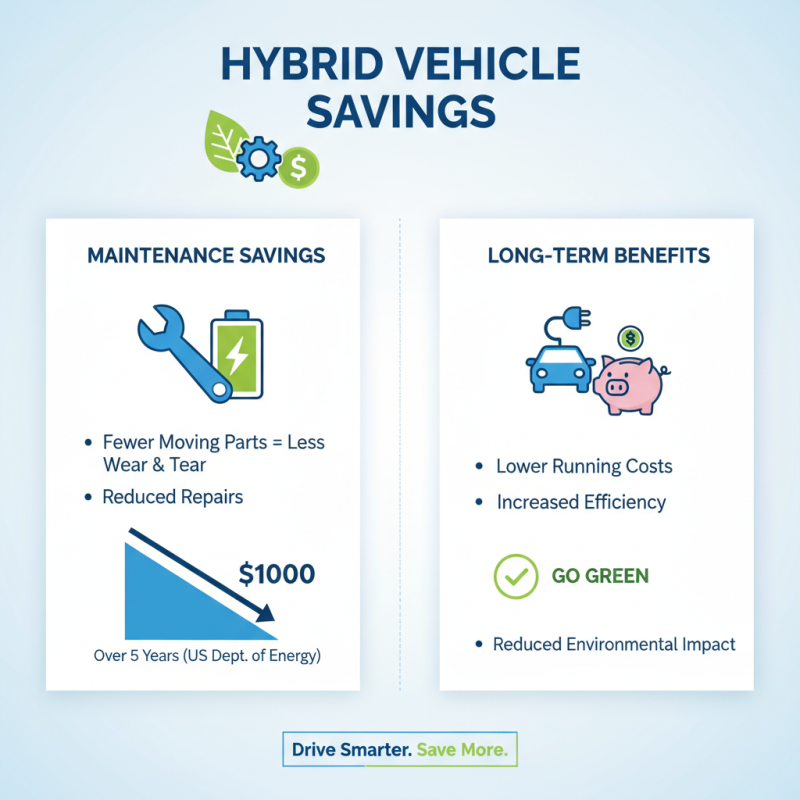
Hybrid vehicles offer notable savings in maintenance and long-term costs. According to the U.S. Department of Energy, the average owner saves about $1,000 over five years due to fewer maintenance requirements. With fewer moving parts, hybrids generally experience less wear and tear. This leads to lower repair costs compared to traditional gasoline vehicles.

Fuel efficiency is another critical aspect. The Environmental Protection Agency states that hybrids can achieve up to 50 miles per gallon. This remarkable efficiency translates to significant savings at the pump. For drivers who cover long distances, these savings can add up quickly. However, initial prices for hybrid vehicles can be higher, impacting the immediate budget.

Another important factor is battery replacement. Hybrid vehicle batteries can be costly, yet they usually last for many years. Most manufacturers offer warranties of up to 10 years, which can ease consumer concerns. Customers need to weigh the long-term benefits against potential battery replacement costs. While hybrids promote sustainability, it is crucial to consider all expenses involved. This reflection helps in making informed decisions.

Government Incentives and Rebates for Hybrid Vehicle Owners

Hybrid vehicles offer substantial benefits, and government incentives further enhance their appeal. These rebates often lower the purchase cost significantly. In many regions, buyers can expect tax credits during tax season. This means more savings in your pocket or towards financing a better model.

Moreover, some states provide rebates that vary in amount. These can be cash incentives you receive almost immediately after purchase. Some areas even waive certain fees, like registration costs. Hybrid owners might also enjoy perks like access to carpool lanes. Nothing like saving time in traffic with a few extra benefits!

It’s important to research local regulations. Incentives can change and may not be available everywhere. Sometimes, the paperwork can be overwhelming. It’s easy to miss out on potential savings. All these factors make understanding government support for hybrid vehicles crucial for interested buyers.