What is an Affordable Electric Car and How to Choose the Best One for You
As the automotive industry continues to evolve, the demand for Affordable Electric Cars is surging, driven by rising fuel prices and growing environmental awareness among consumers. According to a recent report from the International Energy Agency (IEA), electric vehicle (EV) sales reached a record high in 2022, with over 10 million units sold globally, marking a 55% increase from the previous year. This shift not only reflects a significant change in consumer behavior but also highlights a critical need for more budget-friendly options that cater to the mass market.
Choosing the right affordable electric car involves understanding personal driving needs, budget considerations, and the available features in the market. Research from the U.S. Department of Energy suggests that the cost of EV batteries has decreased by nearly 90% over the last decade, contributing to the overall affordability of electric vehicles. However, potential buyers face a wide array of choices, from compact cars to larger SUVs, each with its own set of benefits and drawbacks. Assessing the right parameters—such as range, charging infrastructure, and total cost of ownership—can help consumers make informed decisions and navigate the evolving landscape of Affordable Electric Cars effectively.
Understanding the Definition of an Affordable Electric Car
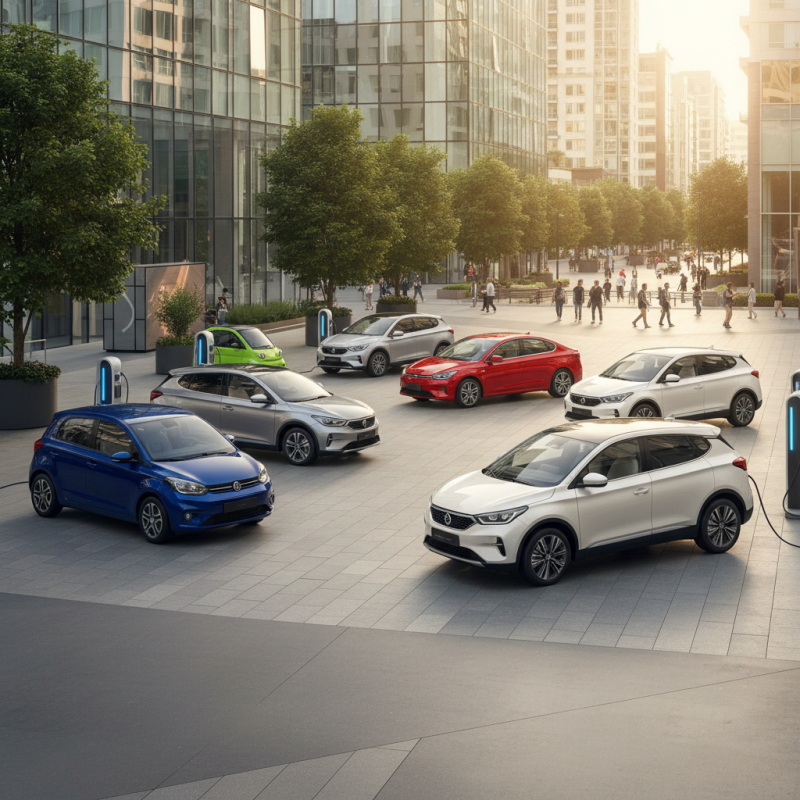
When considering what qualifies as an affordable electric car, it's essential to understand the price range that fits within most consumers' budgets. According to the latest industry reports, an affordable electric vehicle (EV) typically falls within the range of $25,000 to $40,000. This pricing not only aligns with the average new car price in the U.S., which hovers around $46,000, but also takes into account the subsidies and incentives provided by both federal and state governments. For instance, the federal tax credit for electric vehicles can reduce the effective purchase price significantly, making EVs more accessible to the average buyer.
Tips for selecting the right affordable electric car include assessing your daily driving needs and the range of the vehicle. Many budget-friendly models now offer a range of around 200 to 300 miles on a single charge, which is sufficient for most urban commuting. Additionally, considering the total cost of ownership, which encompasses insurance, maintenance, and charging costs, can provide a clearer picture of what is truly "affordable." Researching local charging infrastructure is also a practical step, as having convenient access to charging stations can eliminate concerns about range anxiety.
Furthermore, it’s worth paying attention to the vehicle’s efficiency, which is often measured in miles per gallon of gasoline equivalent (MPGe). Reports indicate that many affordable electric cars achieve upwards of 100 MPGe, emphasizing not only their eco-friendliness but also their economic advantages over time. Ultimately, understanding these key factors will empower you to make an informed choice in the evolving landscape of electric vehicles.
Affordable Electric Cars: Price Comparison (2023)
This chart compares the average prices of five affordable electric car models in 2023. The prices range from $22,000 to $30,000, providing a range of options for budget-conscious consumers looking for electric vehicles.
Key Features to Consider When Choosing an Electric Car
When choosing an affordable electric car, several key features should be taken into consideration to ensure you make the best choice for your driving needs. First, the range of the vehicle is crucial. According to the U.S. Department of Energy, the average range of electric vehicles has increased significantly, with many models now capable of 200 miles or more on a single charge. This improvement means you can comfortably commute or take longer trips without the constant worry of running out of battery.
Another important factor is the vehicle’s charging options. Look for a car that offers a variety of charging solutions, including standard home chargers and compatibility with fast-charging stations. The International Council on Clean Transportation reported that fast-charging infrastructure is growing rapidly, with installations increasing by 44% in just a year. This growing network can make owning an electric car more convenient, especially if you live in urban areas where charging stations are more accessible.
Additionally, consider the overall cost of ownership, which includes the initial purchase price, incentives, and maintenance costs. The U.S. federal tax credit for electric vehicles can significantly reduce the upfront cost, and overall maintenance for electric cars is typically lower than for traditional gasoline vehicles. According to a study by the Rocky Mountain Institute, electric cars can be $1,000 cheaper to maintain annually. Assessing these critical features will ensure you select an electric vehicle that aligns with your budget and lifestyle.
Comparing Costs: Purchase Price vs. Long-term Savings
When considering the costs associated with electric vehicles (EVs),
it's crucial to compare the initial purchase price with potential long-term savings.
According to a report by the U.S. Department of Energy,
while the average price of a new electric car can range from $35,000 to $50,000,
the total cost of ownership often skews significantly in favor of EVs over time.
This is largely due to lower operating costs, which can be up to 80% less than traditional gas-powered vehicles.
For instance, the cost of electricity to power an EV is approximately $0.12 per mile,
whereas gas can range anywhere from $0.26 to $0.45 per mile, depending on fuel prices.
Moreover, ongoing savings come from reduced maintenance needs.
A study by the Electric Vehicle Association points out that EVs require
less frequent servicing thanks to fewer moving parts and no oil changes.
This can result in savings of about $1,000 to $1,500 over the vehicle’s lifetime.
Additionally, various incentives, such as tax credits and rebates,
can lower the upfront costs, making some models even more attractive to buyers.
As potential owners weigh their options, examining both purchase price and long-term financial benefits
will be key in choosing the most affordable electric car for their needs.
Researching Available Models and Their Specifications
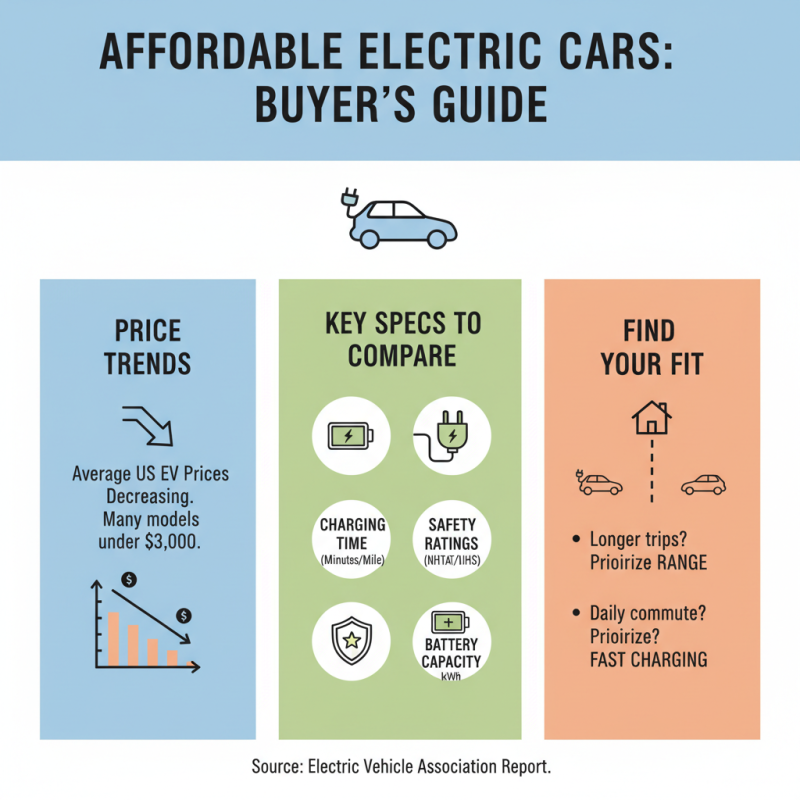
When considering an affordable electric car, it's essential to research available models and their specifications to ensure you choose one that fits your needs and budget. According to a recent report by the Electric Vehicle Association, the average price of electric vehicles (EVs) in the U.S. has been steadily decreasing, with many models now available for under $30,000. Key specifications to investigate include range, battery capacity, charging time, and safety ratings. For instance, a model with a longer range may be preferable if you often take longer trips, while faster charging capabilities can significantly enhance usability for daily commutes.
Tips: When comparing specifications, pay attention to the kilowatt-hour (kWh) rating of the battery, as this directly influences the vehicle's range. Consider also the availability of charging infrastructure in your area to ensure convenient access to charging stations. Furthermore, check government incentives which can provide discounts or tax credits, making your purchase even more affordable.
Additionally, reviewing safety ratings from organizations like the National Highway Traffic Safety Administration (NHTSA) can provide crucial information on how different models perform in crash tests. A thorough analysis of vehicle features, alongside reviews from current owners, can also offer insights into the real-world performance and reliability of various affordable electric cars, providing you with a comprehensive understanding as you make your choice.
Tips for Test Driving and Evaluating Electric Cars
When it comes to test driving and evaluating electric cars, preparation is key to making an informed decision. Start by identifying your top priorities: range, charging options, and interior space. This will help you focus on vehicles that align with your needs. During a test drive, pay attention to the driving experience, including acceleration, handling, and overall comfort. Make sure to drive in various conditions—like highway and city environments—to see how the car performs in real-world scenarios.
Additionally, take the time to assess the technology features and controls. Familiarize yourself with the infotainment system, regenerative braking settings, and safety features. It's also beneficial to inquire about the car's battery life and warranty during your visit to the dealership. Don’t hesitate to ask questions about charging infrastructure, as understanding home charging options and public charging availability is crucial for electric vehicle ownership. By taking these steps, you can ensure that you select an electric car that meets both your lifestyle and budget requirements.