2026 Top Hybrid Car Models for Global Buyers to Consider?
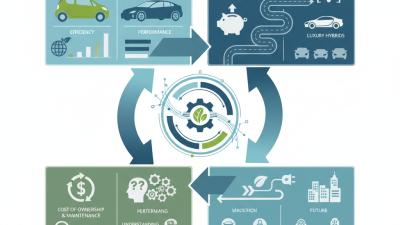
As the automotive landscape evolves, hybrid cars are becoming increasingly popular among global buyers. They blend traditional internal combustion engines with electric power, offering a compelling combination of efficiency and performance. In 2026, several top hybrid car models will be available, catering to various preferences and budgets.
The demand for hybrid cars stems from the growing awareness of environmental issues. Many consumers want to reduce their carbon footprint. These vehicles are an attractive solution. However, potential buyers must consider the trade-offs. Factors like battery life, resale value, and maintenance costs play a crucial role in decision-making. It's essential to research and reflect on these aspects before making a commitment.
With advancements in technology, the hybrid car market is more competitive than ever. Many automakers are unveiling innovative models that promise better fuel efficiency and more features. Yet, this rapid development can also lead to confusion for buyers. The challenge lies in identifying the best choice for individual needs. A closer look at the 2026 hybrid car lineup may reveal surprising options worth considering.
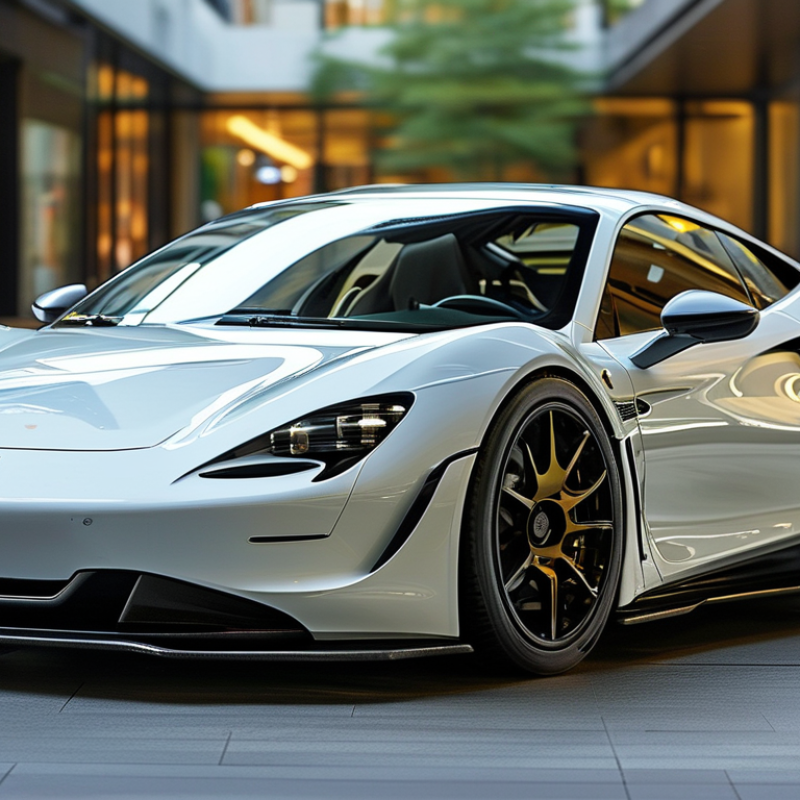
Key Trends Shaping the 2026 Hybrid Vehicle Market Landscape
As the hybrid vehicle market evolves, buyers can expect significant trends shaping 2026 models. Increased focus on eco-friendliness is a driving force. Many consumers are prioritizing sustainability over traditional performance. This shift influences manufacturers to innovate, emphasizing lower emissions and enhanced fuel efficiency.
Technology integration is also paramount. Advanced infotainment systems and safety features are now standard offerings in hybrid models. Connectivity will likely define user experiences, making it easier to access real-time data. Buyers should look for features that enhance their driving experience.
Tip: Always test drive a hybrid vehicle to assess comfort and usability.
Pricing strategies are adapting too. Many models are now competitively priced, making hybrids more accessible. Hurdles remain; hybrid vehicles often have higher starting costs. It's essential to calculate long-term savings from decreased fuel consumption and tax incentives.
Tip: Research potential rebates and incentives before purchasing.
Top Hybrid Car Models to Watch: Performance and Efficiency Metrics
When considering hybrid cars, performance and efficiency metrics are crucial. Many buyers seek the perfect blend of power and fuel economy. A well-rounded model often boasts a robust electric motor alongside a traditional engine. This combination enhances acceleration while minimizing fuel consumption.
It's essential to examine the driving range of hybrid vehicles. Some models excel in city driving but may struggle on highways. Poor fuel efficiency can lead to higher running costs, affecting long-term satisfaction. Look for options with high miles per gallon (MPG) ratings. These usually indicate a well-engineered vehicle.
Tips: Focus on real-world reviews to gauge performance. Speak to current owners about their experiences. Test drives can reveal a lot about handling and comfort. Not all hybrids perform equally under various conditions. Some may require adjustments in driving habits to maximize efficiency.
Consumer Preferences: Why Hybrid Cars Are Gaining Popularity Globally
Hybrid cars are steadily gaining traction worldwide. More consumers are shifting towards these eco-friendly vehicles. This trend reflects a growing awareness of environmental issues. Many buyers appreciate the balance of fuel efficiency and performance. Hybrid cars often emit fewer pollutants. This aligns well with global efforts to reduce carbon footprints.
Tips: Research local incentives for hybrid vehicles. Many regions offer tax breaks or rebates. Additionally, consider the vehicle's fuel economy ratings. A higher rating can lead to significant savings.
Consumer preferences also reveal a desire for technology. Advanced infotainment systems and driver-assistance features attract many tech-savvy buyers. However, potential challenges exist. Not all hybrids perform equally. Some models may lack power or responsiveness. Ensure you test drive before purchasing.
Tips: Read reliable reviews and comparisons. Understanding real-world mileage can help set expectations. Engaging with online forums can also uncover common issues.
Environmental Impact: Emissions Reductions from 2026 Hybrid Models
The 2026 hybrid car models are set to reduce emissions significantly, making them an essential choice for environmentally conscious buyers. According to the International Council on Clean Transportation, hybrids can cut greenhouse gas emissions by at least 25% compared to traditional gasoline vehicles. This is a crucial factor as global warming continues to threaten our planet, highlighting the role of vehicle emissions in climate change.
In 2026, the expected average CO2 emissions for new hybrids could drop to below 100 grams per kilometer. This reduction is partly due to advancements in battery technology and more efficient engines. However, not all hybrids are created equal. Some models may still produce higher emissions, raising concerns about their eco-friendliness. It's critical for buyers to research and compare emissions data before purchasing.
Tips: Always check emission ratings before choosing a hybrid. Look for models with the best efficiency scores to maximize your impact. Understanding battery lifecycle impacts is equally important. Sustainable sourcing can influence overall environmental benefits. Hybrid vehicles contribute positively, but awareness and informed choices make a difference in the long run.
Market Projections: Growth Forecasts for Hybrid Cars through 2026
As the automotive industry evolves, hybrid cars are gaining traction. Market projections indicate a steady growth forecast through 2026. This rising interest is driven by environmental concerns and fuel efficiency needs. Many buyers are looking for a balance between performance and sustainability. Hybrid cars offer that by blending traditional engines with electric technology.
The expected demand is reshaping manufacturer strategies. Companies are investing in research and development to enhance hybrid technology. This includes battery efficiency and innovative design. Still, challenges remain. Consumers often struggle to understand the real benefits of hybrids versus traditional vehicles. Misunderstandings about charging and maintenance can hinder adoption. More education and transparent marketing are necessary.
Transitioning to hybrids is not just a trend but a shift in consumer values. Many are willing to consider these models for financial and environmental reasons. However, it’s essential for potential buyers to weigh their options carefully. Buying a hybrid is a significant commitment. Ensuring it fits one’s lifestyle can be crucial for long-term satisfaction.