2026 Top Fully Electric Cars What to Expect?
The automotive industry is steadily evolving towards a greener future. Fully electric cars are at the forefront of this transformation. In 2026, we can expect to see significant advancements in design, technology, and efficiency. Major manufacturers are investing heavily in electric vehicle (EV) development. This commitment reflects a changing consumer preference for sustainable options.
We foresee a wider range of models hitting the market. From compact cars to luxury sedans, fully electric cars are becoming more versatile. Not only will they feature improved range, but they will also offer enhanced performance. However, challenges remain. Many consumers are still concerned about charging infrastructure and battery life. These issues need to be addressed for the industry to thrive.
As innovation continues, some aspects may fall short of expectations. Early adopters might face a steep learning curve. The rapid changes can lead to confusion over features and technology. Overall, the future for fully electric cars looks promising, yet it requires careful consideration and adaptation from all stakeholders.
2026 Electric Vehicle Market Overview: Trends and Projections
The electric vehicle market is set for significant changes by 2026. An increased demand is expected, driven by environmental concerns. More consumers are considering electric options, focusing on sustainability. This shift could reshape transportation norms.
In 2026, we might witness a surge in model variety. The range of fully electric cars will likely expand. Buyers may want vehicles that suit diverse lifestyles. Technology improvements, such as battery longevity, are crucial. However, challenges remain, like charging infrastructure. Many areas still lack sufficient charging stations.
Trends suggest that affordability is a growing concern. While prices have decreased, they may still be out of reach for some. Innovation in financing options could help. Yet, not every company will adapt quickly. Some may struggle to keep up. The evolution of the electric vehicle sector is complex and requires patience and strategic thinking.
Key Innovations in Battery Technology for Electric Cars by 2026
Battery technology is pivotal for the future of electric vehicles. By 2026, key innovations promise to reshape the electric car landscape. Industry experts project that energy density could increase by over 30%. This leap means longer ranges on a single charge. Consumers may see vehicles reaching up to 400 miles of range. It's an exciting prospect.
Solid-state batteries are gaining traction. These batteries could replace traditional lithium-ion cells. They offer faster charging times and enhanced safety. Reports suggest they might reduce charging times to under 10 minutes. That's a game changer for electric car users. Additionally, advancements in recycling technology are crucial. Efficient recycling processes can reduce waste and lower costs.
However, challenges remain. The supply chain for raw materials is fragile. Furthermore, energy consumption during production raises sustainability questions. A balanced approach is essential to ensure growth does not come at the environment's expense. As developments unfold, the focus must remain on creating a truly sustainable future.
Top Electric Car Models Slated for Release in 2026: Features and Specs
As we look ahead to 2026, a new wave of fully electric cars is on the horizon. These vehicles promise not just sustainability but also cutting-edge technology. Expect advancements in battery efficiency, allowing for longer ranges than ever before. Many upcoming models will feature superior charging capabilities, becoming a benchmark for convenience. There’s widespread excitement about performance enhancements, including faster acceleration and improved handling.
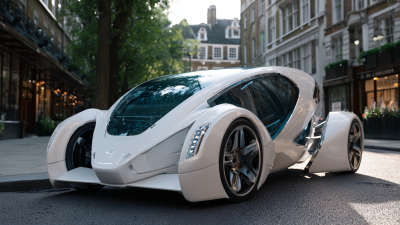
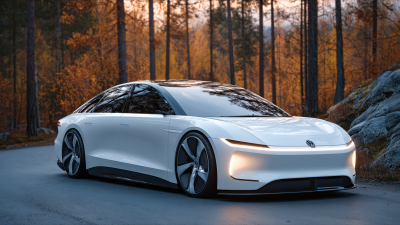
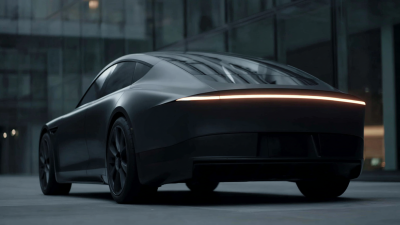
In terms of design, innovations are set to captivate. Sleek lines and futuristic interiors will dominate the market. Expect high-quality materials, intuitive interfaces, and smart connectivity options. Some models will also integrate autonomous driving features, offering a glimpse into the future of transportation. However, not every vehicle will meet expectations. Inconsistent build quality and software glitches could be potential drawbacks for some models.
The growing focus on eco-friendliness will be essential. Features that promote sustainability, like recyclable materials and energy-efficient production methods, are anticipated. Nonetheless, the increase in competition could complicate choices for buyers. With so many options emerging, determining which fully electric car suits individual needs may become challenging.
2026 Top Fully Electric Cars
| Model |
Range (miles) |
0-60 mph (seconds) |
Battery Capacity (kWh) |
Starting Price ($) |
| Electric Sedan A |
350 |
3.5 |
75 |
45,000 |
| Electric SUV B |
300 |
4.0 |
85 |
55,000 |
| Electric Hatchback C |
250 |
6.0 |
50 |
30,000 |
| Electric Crossover D |
320 |
5.5 |
70 |
50,000 |
| Electric Sport Car E |
400 |
2.8 |
100 |
80,000 |
Government Incentives and Regulations Impacting 2026 Electric Vehicle Sales
As we look forward to the electric vehicle landscape in 2026, government incentives and regulations will shape the market significantly. Many countries are advancing policies to encourage electric vehicle adoption. Subsidies may lower the purchase costs for consumers. Tax credits can play a crucial role as well. However, not all incentives will be equal. Each region will have its own rules and support programs.
One area that needs attention is charging infrastructure. While tax breaks for consumers often grab headlines, investment in charging stations is vital. More accessible charging options are necessary to support widespread electric vehicle use. Yet, some places still lack adequate infrastructure. This disparity can deter potential buyers, despite favorable policies.
Regulations on emissions are also changing. Stricter standards encourage manufacturers to produce more electric options. However, these regulations can create challenges. Smaller manufacturers may struggle to keep up. Ultimately, both incentives and regulations will evolve continuously. The future of electric vehicles in 2026 lies in balancing support with practical implementation.
Consumer Preferences and Demand Shifts for Fully Electric Cars in 2026
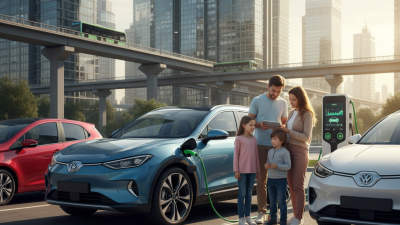
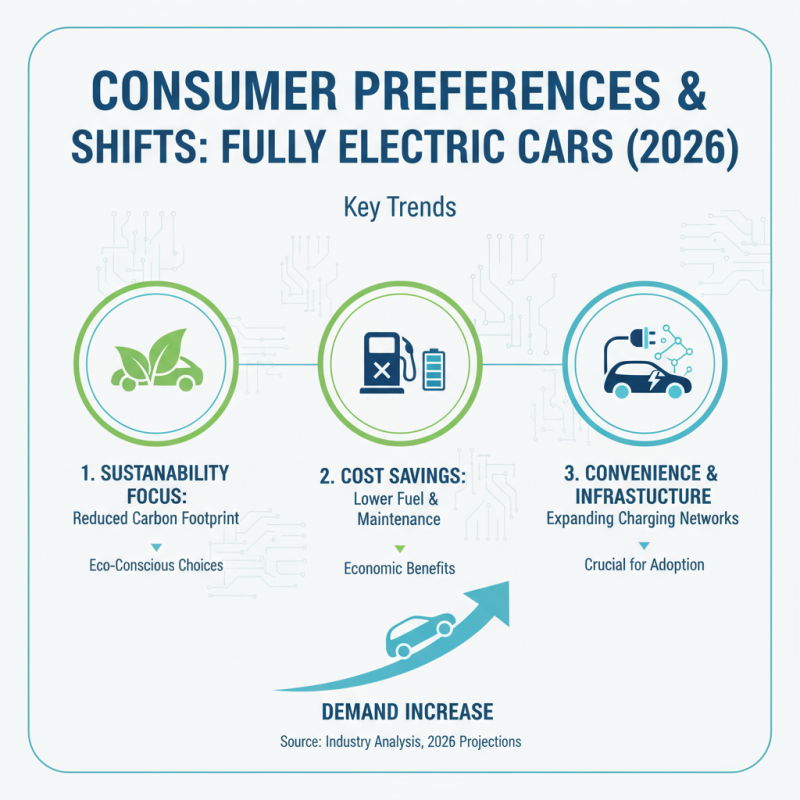
As we approach 2026, consumer preferences for fully electric cars are shifting rapidly. More buyers appreciate sustainability and recognize the benefits of electric vehicles. They want options that reduce their carbon footprint and lower fuel costs. Charging infrastructure must keep pace with this demand, as convenience remains a priority for many potential buyers.
Tips: Consider your driving habits. Do you often take long trips, or do you mainly drive within the city? Your typical usage will affect the type of electric vehicle that suits you best.
Battery life and range are critical factors. Consumers seek electric cars with longer ranges. They want assurance that their vehicle can handle daily commutes without frequent recharging. A vehicle’s charging speed also influences its attractiveness.
Tips: Research available charging stations in your area. Familiarize yourself with home charging options if considering an electric car. These factors will play a significant role in your decision-making process.
While interest in electric cars is rising, some hesitations remain. Concerns about maintenance costs and technology advancements linger. Buyers should weigh these issues alongside the environmental benefits. The landscape is changing, and consumers must adapt.